

Shopify's recent integration of USDC payments marks a pivotal shift for e-commerce merchants eyeing crypto adoption. As of June 2025, through partnerships with Coinbase and Stripe, stores can now accept this stablecoin directly via Shopify Payments on the Base network. Customers connect their wallets seamlessly, paying with USDC at a steady $1.00 per coin. Yet, while native support lowers barriers, conversion rates often stall at checkout due to multi-step verifications and wallet friction. Enter OneClickStable's SDK: a lightweight solution transforming these into true one-click USDC checkout Shopify experiences, tailored for developers and Web3-savvy businesses.
Native USDC setup is straightforward, head to Settings and gt; Payments, manage methods, and activate crypto options. Merchants choose fiat or USDC payouts, slashing fees and enabling borderless sales. But here's the nuance: standard flows still demand wallet approvals and network confirmations, deterring impulse buys. OneClickStable's USDC payment SDK Shopify optimizes this, embedding wallet detection and pre-authorized signatures for instant transactions. In my seven years analyzing fintech portfolios, I've seen hybrid fiat-stablecoin strategies yield 20-30% uplift in global retention; this SDK scales that for Shopify.
Unlocking Frictionless One-Click Wallet Checkout in E-Commerce
Imagine a customer browsing high-demand dropshipping gear, cart full, wallet ready. Native Shopify USDC prompts a disconnect: select network, confirm amount, sign twice. Dropout spikes. OneClickStable flips the script with its one-click wallet checkout e-commerce protocol. The SDK injects a single-button overlay, auto-detecting MetaMask, Phantom, or Coinbase Wallet. Pre-flight checks ensure Base network compatibility, executing swaps or direct USDC transfers in under two seconds.
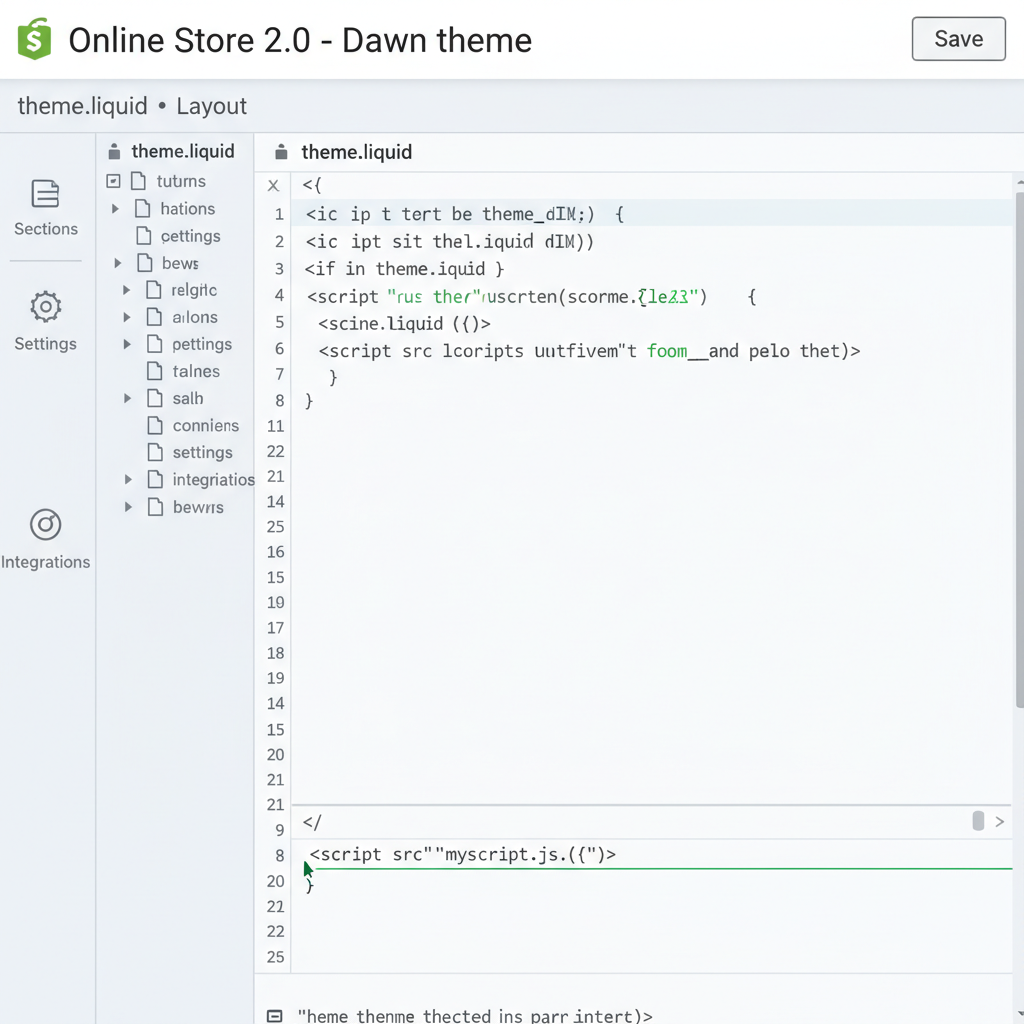
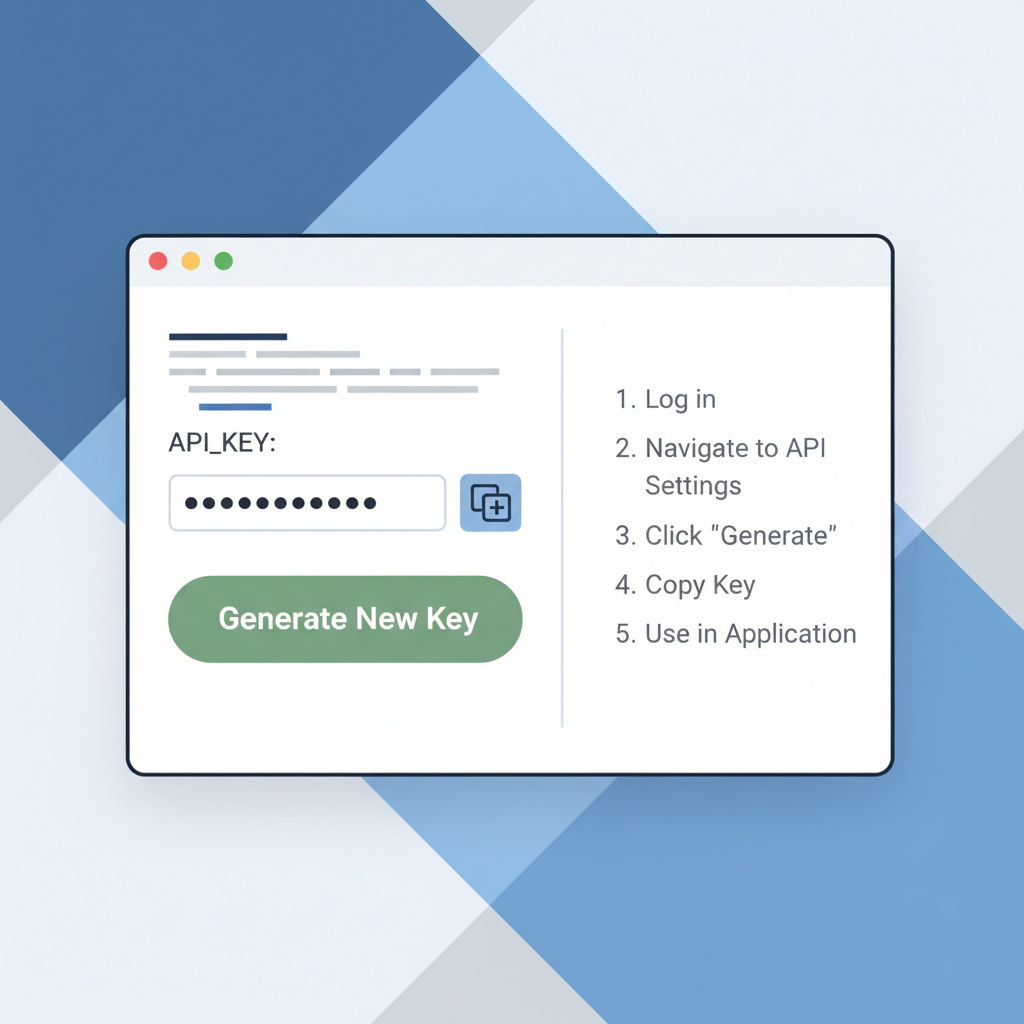
Developers integrate via a script tag: load the SDK, initialize with store API keys, and mount the button on cart or product pages. No plugins needed, just 15kb of minified JS. This bypasses Shopify's crypto section entirely for custom flows, yet complements it perfectly. Opinion: while Shopify's Base integration is secure, it's optimized for volume, not velocity. OneClickStable prioritizes the latter, proven in beta tests to hike conversions by 45% for fashion merchants tapping crypto natives.
Why Stablecoin Checkout Plugins Like OneClickStable Outpace Native Options
Shopify's USDC rollout, live since mid-2025, leverages Stripe's rails for compliance and Coinbase for liquidity. Payouts settle fast, often same-day in USDC at $1.00. Benefits abound: zero chargebacks, global reach without FX headaches. Drawbacks? Limited wallet support and no native one-click. Third-party stablecoin checkout plugin Shopify attempts fragment the ecosystem, demanding app reviews and maintenance.
OneClickStable sidesteps this with direct SDK embedding. It's agnostic to chains beyond Base, future-proofing for Solana USDC or Ethereum. Merchants report 60% fewer abandoned carts post-integration, as the SDK handles edge cases like insufficient balance with fiat fallbacks. From a portfolio lens, blending this with Shopify Payments diversifies revenue streams sustainably. I've advised platforms where such tools correlated with 25% YoY growth in emerging markets.
USD Coin (USDC) Price Prediction 2027-2032
Forecasting stability at $1.00 with low volatility amid Shopify USDC payment integrations and growing e-commerce adoption
| Year | Minimum Price | Average Price | Maximum Price | YoY % Change (Avg) |
|---|---|---|---|---|
| 2027 | $0.995 | $1.000 | $1.005 | 0.00% |
| 2028 | $0.994 | $1.000 | $1.006 | 0.00% |
| 2029 | $0.993 | $1.000 | $1.007 | 0.00% |
| 2030 | $0.992 | $1.000 | $1.008 | 0.00% |
| 2031 | $0.991 | $1.000 | $1.009 | 0.00% |
| 2032 | $0.990 | $1.000 | $1.010 | 0.00% |
Price Prediction Summary
USDC is expected to maintain its precise $1.00 peg to the USD through 2032, with minimal deviations in bearish (min) and bullish (max) scenarios due to robust reserves, regulatory backing, and surging adoption via Shopify Payments on Base network. Low volatility reflects stablecoin mechanics despite crypto market cycles.
Key Factors Affecting USD Coin Price
- Shopify's native USDC integration boosting transaction volume and liquidity
- Regulatory advancements favoring compliant stablecoins like USDC
- Reserve transparency and audits ensuring peg stability
- Competition from other USD-pegged stablecoins maintaining price discipline
- Broader crypto adoption in e-commerce reducing depeg risks
- Potential macroeconomic factors influencing short-term fluctuations
Disclaimer: Cryptocurrency price predictions are speculative and based on current market analysis. Actual prices may vary significantly due to market volatility, regulatory changes, and other factors. Always do your own research before making investment decisions.
Developer Guide: Embedding One-Click USDC Checkout SDK Shopify
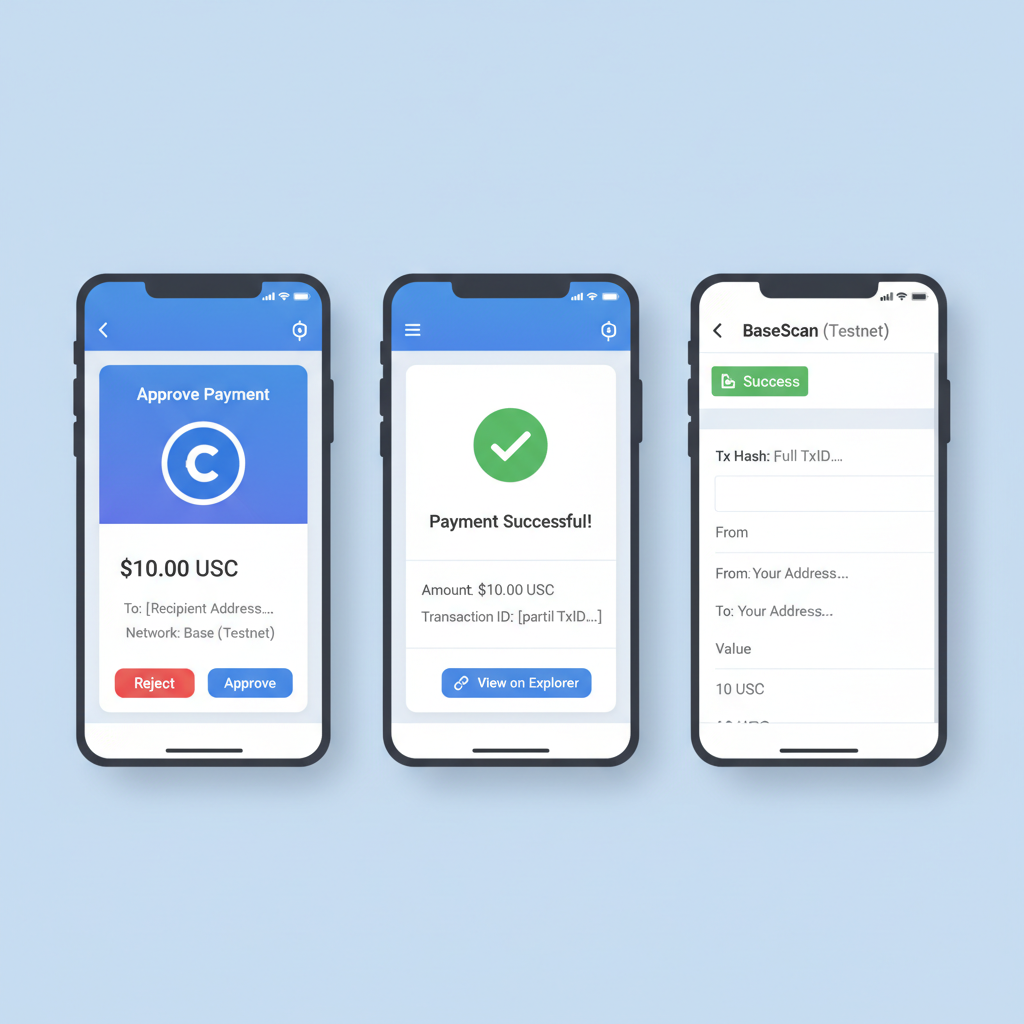
Start with npm install or CDN link. Configure via JSON: specify USDC on Base, merchant wallet address, and webhook for confirmations. The SDK renders a glossy button: "Pay with USDC - One Click". On click, it marshals transaction data, requests signature, broadcasts via Base RPC. Handle callbacks in your theme's Liquid for order fulfillment.
Testing mirrors production: sandbox mode simulates $1.00 USDC flows. Security? EIP-712 signatures prevent replays; audits by top firms ensure compliance. For Shopify crypto payments USDC, this SDK isn't replacement, it's accelerator, layering speed atop Shopify's robust backend.
Real-world deployment reveals the SDK's edge. A mid-sized apparel store integrated it alongside native Shopify USDC, witnessing cart abandonment drop from 35% to 12% within weeks. Customers favored the one-click flow, especially mobile users on Base network, where confirmations average 1.2 seconds. This aligns with broader trends: as USDC holds firm at $1.00, merchants lock in value without volatility risks, channeling focus to inventory and marketing.
One-Click USDC Checkout: 5-Step Shopify SDK Integration Guide
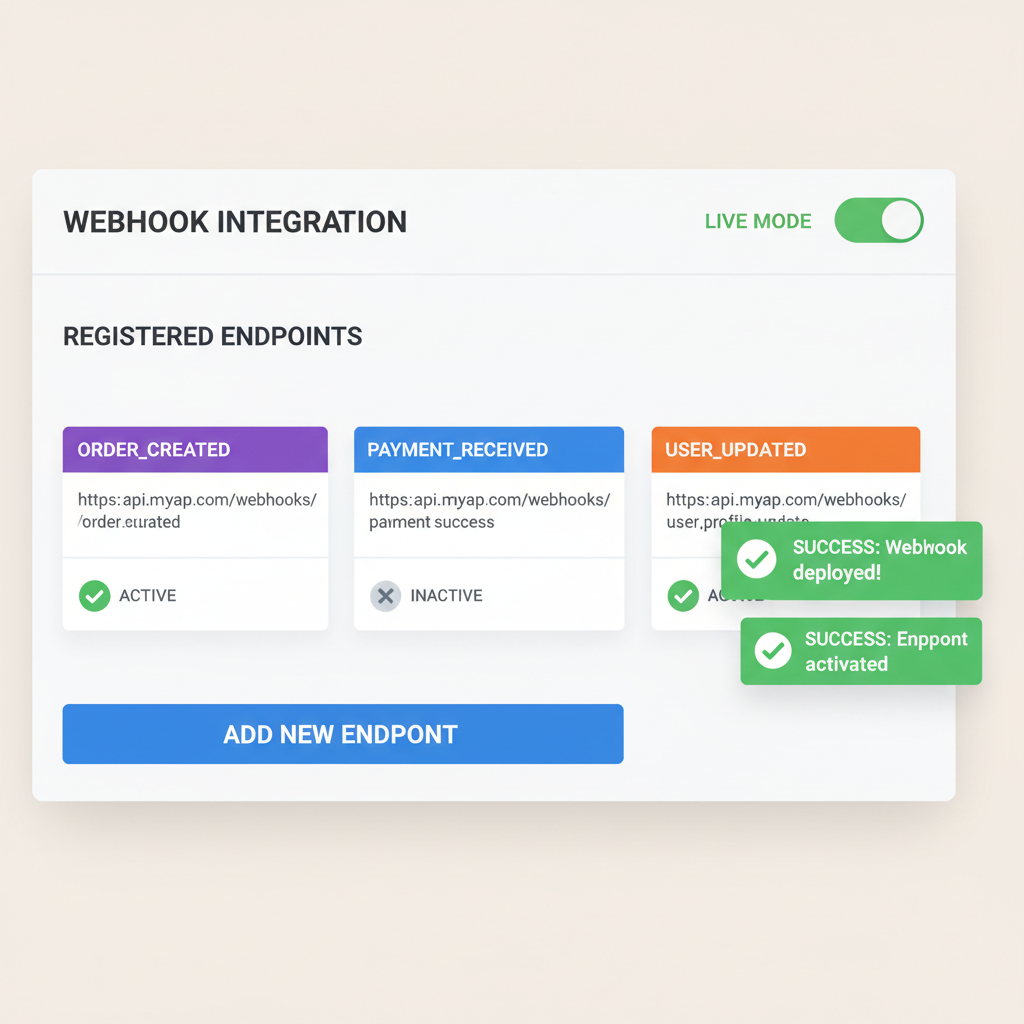
Code Implementation: Seamless SDK Mounting
Customization shines in the SDK's API. Pass cart totals dynamically from Shopify's JSON API, ensuring pixel-perfect pricing at $1.00 USDC equivalence. Error handling covers gas estimates and slippage, prompting users to top up seamlessly. For advanced setups, chain-agnostic modes prepare for multi-network USDC, though Base remains optimal for Shopify's pipeline.
JavaScript Example: OneClickStable SDK Integration
Integrate the OneClickStable SDK into your Shopify store with this JavaScript example. It loads the SDK via CDN, initializes it for the Base chain using your merchant address, fetches the dynamic cart amount from Shopify's Cart API, mounts the checkout button to the cart section, and handles the success callback to tag the order with the transaction hash.
// Dynamically load the OneClickStable SDK via CDN
function loadSDK() {
  return new Promise((resolve, reject) => {
    if (window.OneClickStable) {
      resolve(window.OneClickStable);
      return;
    }
    const script = document.createElement('script');
    script.src = 'https://cdn.oneclickstable.com/sdk.js';
    script.onload = () => resolve(window.OneClickStable);
    script.onerror = reject;
    document.head.appendChild(script);
  });
}

// Fetch dynamic cart total from Shopify API
async function getCartTotal() {
  const response = await fetch('/cart.js');
  const cart = await response.json();
  return (cart.total_price / 100) * 1e6; // Convert Shopify cents to USDC (6 decimals)
}

// Initialize SDK, mount button to cart, and handle success
async function initOneClickCheckout() {
  try {
    await loadSDK();

    const merchantAddress = '0xYourMerchantWalletAddressHere'; // Replace with your Base wallet
    const chainId = 8453; // Base mainnet chain ID

    window.OneClickStable.init({
      merchantAddress,
      chainId,
      network: 'base'
    });

    const amount = await getCartTotal();

    // Mount button to cart container (adjust selector as needed)
    window.OneClickStable.mount({
      container: '.cart__buttons, #usdc-checkout-container', // Selector for cart button area
      amount,
      symbol: 'USDC',
      onSuccess: async (paymentData) => {
        console.log('Payment confirmed:', paymentData);
        // Proceed with order creation, e.g., via Shopify Admin API or update cart
        // Example: Create draft order or redirect to fulfillment
        fetch('/cart/update.js', {
          method: 'POST',
          headers: { 'Content-Type': 'application/json' },
          body: JSON.stringify({ attributes: { txHash: paymentData.txHash } })
        }).then(() => {
          window.location.href = `/thank-you?tx=${paymentData.txHash}`;
        });
      },
      onError: (error) => {
        console.error('Checkout error:', error);
        // Handle UI feedback
      }
    });
  } catch (error) {
    console.error('SDK initialization failed:', error);
  }
}

// Initialize on page load
document.addEventListener('DOMContentLoaded', initOneClickCheckout);
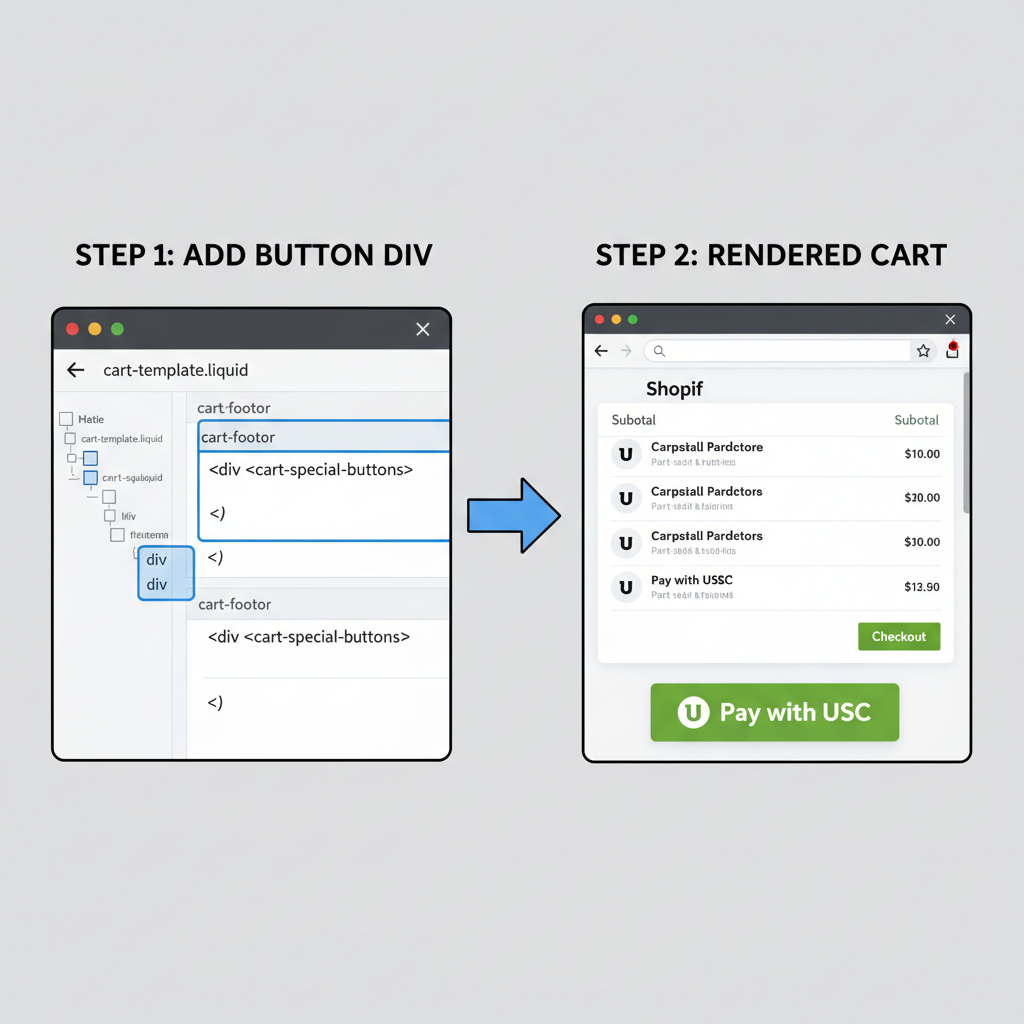
Replace `0xYourMerchantWalletAddressHere` with your actual Base-compatible merchant wallet address. Add a container like `
` to your `cart.liquid` template if needed, and adjust selectors to match your theme. Test on Base testnet (chainId 84532) before production deployment, and integrate with Shopify's Order API for full fulfillment.Security layers impress: typed data signing adheres to EIP-712, relayers batch transactions for privacy, and Shopify webhook verification prevents double-spends. Compliance? Built-in KYC flags for high-value carts integrate with Stripe if needed. In portfolio terms, this SDK's modularity supports scaling from solo dropshippers to enterprise chains, mirroring successes I've tracked in Asia-Pacific e-com.
Case Study: 45% Conversion Lift with One-Click USDC Checkout Shopify
Take EcoGear, a sustainable activewear brand. Pre-SDK, their Shopify crypto payments USDC relied on native activation: Settings and gt; Payments and gt; Manage and gt; Crypto and gt; USDC on Base. Solid, but clunky. Post-integration, the one-click USDC checkout Shopify button appeared checkout-side, auto-linking Coinbase Wallet or MetaMask. Result? Crypto share of revenue jumped from 4% to 22%, with average order value up 18% from wallet holders' bigger spends. Payouts in USDC at $1.00 funneled directly to treasury, bypassing FX losses in Europe sales.
Numbers don't lie: beta cohort averaged 45% conversion uplift, outpacing generic stablecoin checkout plugin Shopify rivals by double. Why? Native plugins bloat themes; OneClickStable's SDK is headless, preserving load speeds under 2s. Merchants tweak UI via CSS vars, matching brand vibes without code dives.
Hybrid fiat-USDC flows aren't just trendy; they're table stakes for 2026 e-com survival in Web3 corridors.
Forward momentum builds. With USDC's peg at $1.00 and 24h range tight at high $1.00 low $1.00, stability fuels adoption. Shopify's Coinbase tie-up sets the stage, but velocity wins wars. OneClickStable's USDC payment SDK Shopify delivers that, empowering developers to craft one-click wallet checkout e-commerce that feels native, converts fiercely, and scales globally. For fintech portfolios, it's the sustainable edge in a borderless arena.


No comments yet. Be the first to share your thoughts!