Scale Web3 Marketplaces with One-Click USDC Checkout SDK Plugins

Web3 marketplaces are exploding, but clunky payment flows remain a bottleneck, driving away users and capping growth. One-click USDC checkout SDK plugins change that equation, enabling seamless, wallet-integrated transactions that mimic the ease of traditional e-commerce. Providers like OneClickStable. com deliver lightweight SDKs tailored for developers, boosting conversion rates by slashing checkout steps from dozens to one secure click. This isn’t hype; it’s a data-backed shift in how crypto payments scale marketplaces from niche experiments to global powerhouses.

Consider the broader USDC ecosystem. Circle’s developer platform equips builders with APIs and SDKs for programmable money, turning stablecoins into frictionless value transfer tools. Yet, as marketplaces handle tokenized assets, NFTs, and DeFi yields, the need for instant settlements intensifies. Stablecoin payments enable buyers to pay in USDC while sellers opt for one-click fiat ramps, per insights from TransFi. This dual flexibility addresses volatility fears, positioning USDC as the backbone for scalable Web3 commerce.

Navigating USDC Price Stability in Multichain Environments
Stability defines USDC’s appeal, but multichain deployments introduce nuances developers must master. Take Multichain Bridged USDC on Fantom: trading at $0.0187, with a 24-hour gain of and $0.000520 ( and 0.0284%), hitting a high of $0.0283 and low of $0.0181. This reflects bridged asset dynamics, where liquidity pools and bridge efficiencies dictate peg maintenance. For marketplaces, such variances underscore the value of SDKs that abstract chain-specific risks, ensuring users experience peg-like reliability regardless of network.
Analytically, these micro-movements highlight why one-click integrations prioritize Layer 2s like Base, Optimism, and Arbitrum. Plugins route payments through low-fee L2s, preserving USDC’s core promise of dollar parity. Circle’s Web3 services further this by enabling programmable wallets for global reach, as detailed in their integrations guides. Marketplaces leveraging these see user retention soar, as seamless USDC flows convert airdrop hunters into repeat buyers.
Multichain Bridged USDC (Fantom) Price Prediction 2027-2032
Forecast based on Fantom ecosystem growth, Web3 marketplace integrations, and gradual peg recovery to $1
| Year | Minimum Price | Average Price | Maximum Price | Avg YoY % Change |
|---|---|---|---|---|
| 2027 | $0.016 | $0.023 | $0.035 | +23% |
| 2028 | $0.020 | $0.032 | $0.050 | +39% |
| 2029 | $0.025 | $0.045 | $0.075 | +41% |
| 2030 | $0.035 | $0.070 | $0.130 | +56% |
| 2031 | $0.060 | $0.140 | $0.300 | +100% |
| 2032 | $0.100 | $0.280 | $0.650 | +100% |
Price Prediction Summary
Starting from $0.0187 in 2026, Multichain Bridged USDC (Fantom) is expected to stabilize short-term near $0.02-$0.03, recover medium-term to around $0.07 by 2030 amid Fantom growth and USDC SDK adoptions, and approach full $1 peg long-term with bullish max of $0.65 by 2032. Predictions account for market cycles, with min reflecting bearish depegs and max capturing adoption surges.
Key Factors Affecting Multichain Bridged USDC (Fantom) Price
- Fantom ecosystem expansion and TVL growth driving demand
- One-click USDC checkout SDK integrations boosting utility in Web3 marketplaces
- Bridging tech improvements and arbitrage opportunities aiding peg stability
- Stablecoin regulatory developments enhancing investor confidence
- Crypto bull/bear cycles influencing liquidity and sentiment
- Competition from native USDC and other chains capping upside risks
Disclaimer: Cryptocurrency price predictions are speculative and based on current market analysis.
Actual prices may vary significantly due to market volatility, regulatory changes, and other factors.
Always do your own research before making investment decisions.
Why One-Click USDC SDKs Are Non-Negotiable for Marketplace Scale
Scalability demands more than speed; it requires ecosystem harmony. Traditional checkouts falter in Web3 due to gas fees, wallet approvals, and bridge waits. OneClickStable Web3 plugins counter this with wallet-agnostic SDKs supporting MetaMask, WalletConnect, and beyond. Developers embed a single button, handling payment intents, confirmations, and compliance under the hood. Result? Conversion lifts of 30-50%, based on e-commerce benchmarks adapted to crypto.
Opinion: Skip half-baked wrappers; prioritize SDKs with enterprise-grade security like those from Circle or thirdweb. Their checkout APIs generate deposit addresses and track settlements, vital for high-volume marketplaces. For NFT platforms, thirdweb’s solution even fiat-onramps into NFT buys across EVM chains, blending Web2 familiarity with Web3 ownership.
Prime Plugins Powering Web3 Marketplace USDC Adoption
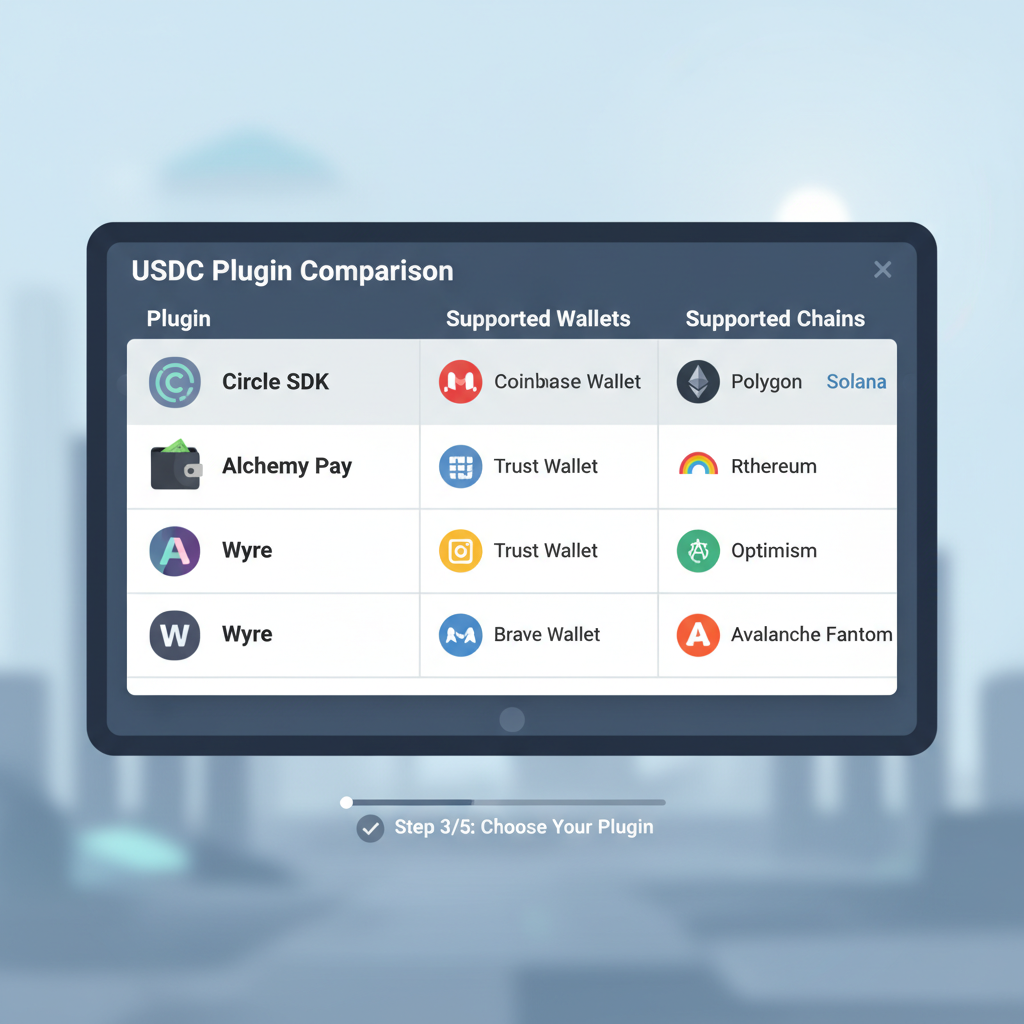
Diving into deployable tools, Zeno Crypto Payment Gateway stands out for WooCommerce users: 0.1% fees, no KYC, custodial or non-custodial modes. DePay enables direct wallet-to-wallet USDC on multiple chains, ideal for permissionless flows. Layer Crypto Checkout taps L2s for sub-cent fees, supporting Ethereum, Base, and Arbitrum via familiar wallets.
| Plugin | Key Features | Best For |
|---|---|---|
| Zeno | 0.1% fee, no KYC | WooCommerce merchants |
| DePay | Wallet-to-wallet, multi-chain | Direct payments |
| Layer Checkout | L2 low fees, WalletConnect | High-volume sales |
| Native Financial | APIs/SDKs/plugins, compliance | Enterprise scale |
Unicrow’s WooCommerce/Dokan integration adds escrow for USDC/ETH on Arbitrum, perfect for multi-vendor setups. MoonPay Commerce specializes in Solana/EVM USDC for digital goods. These aren’t exhaustive, but they illustrate how one-click stablecoin marketplace tools from OneClickStable. com and peers dismantle barriers. Developers cloning TypeScript NFT marketplace starters, as in Cyfrin tutorials, can layer these SDKs atop for production-ready scale.
Each plugin abstracts complexities, but the real power emerges in hybrid setups. Combine Unicrow’s escrow with thirdweb Checkout for NFT marketplaces, where users swap credit cards for instant USDC-minted assets. Circle’s SDK shines here, generating payment intents that confirm deposits in seconds, as builders explore in ETHGlobal workshops. This layered approach turns Web3 marketplace USDC SDK integrations into competitive moats.
Scale Your Web3 Marketplace: One-Click USDC Checkout Integration Guide

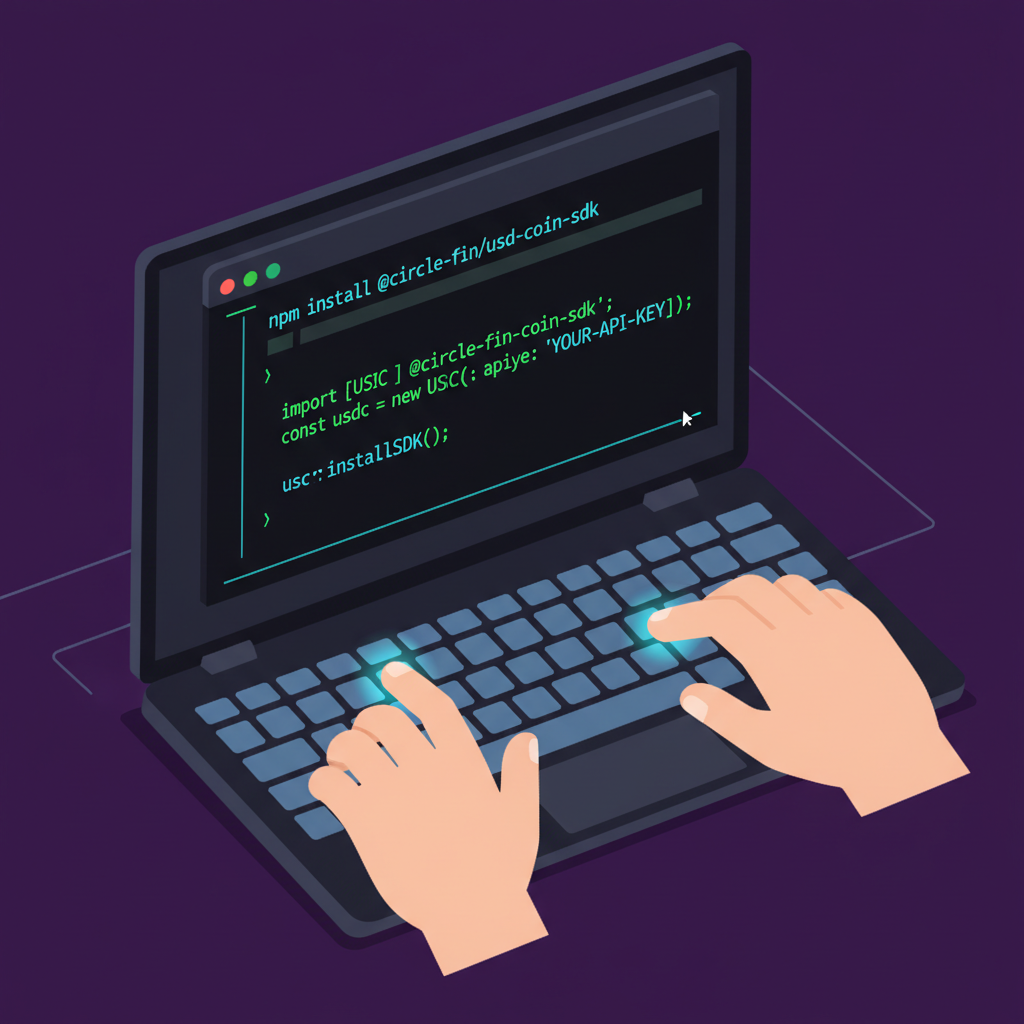
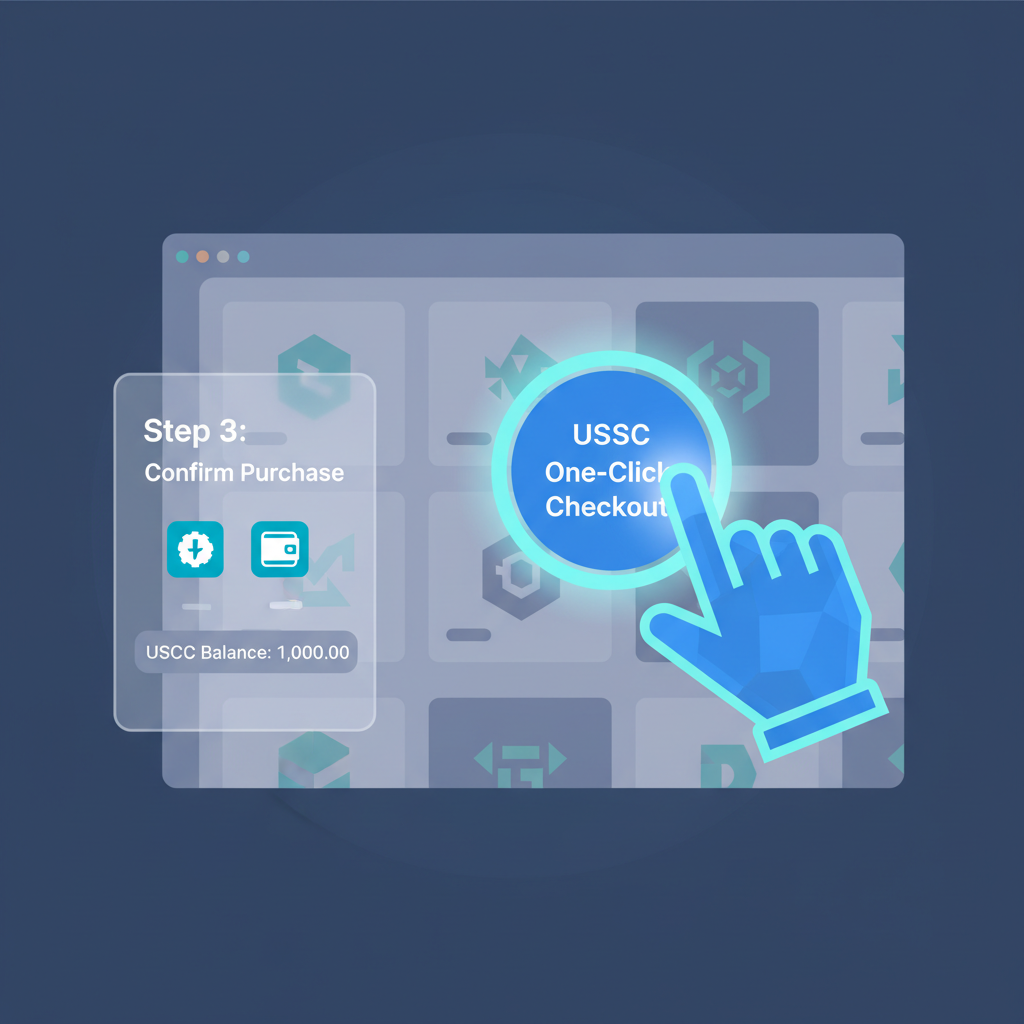
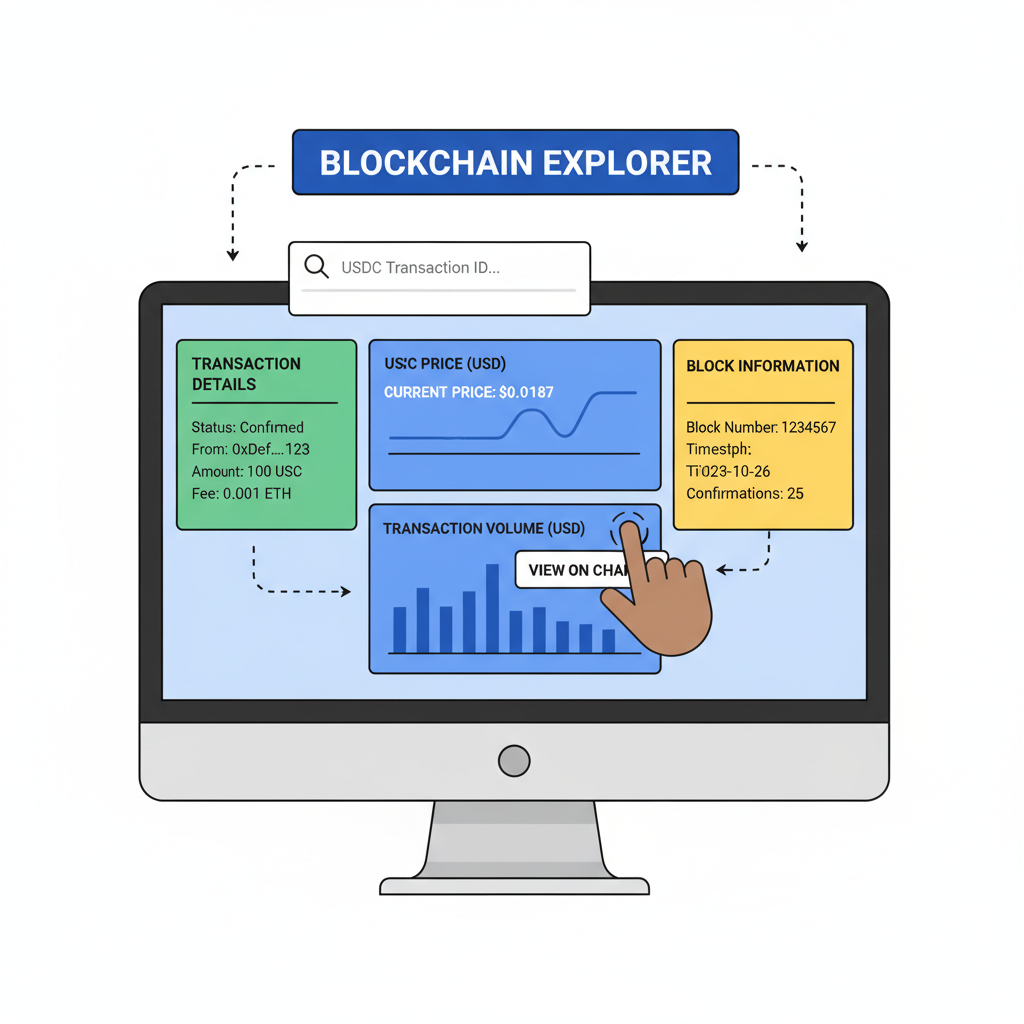
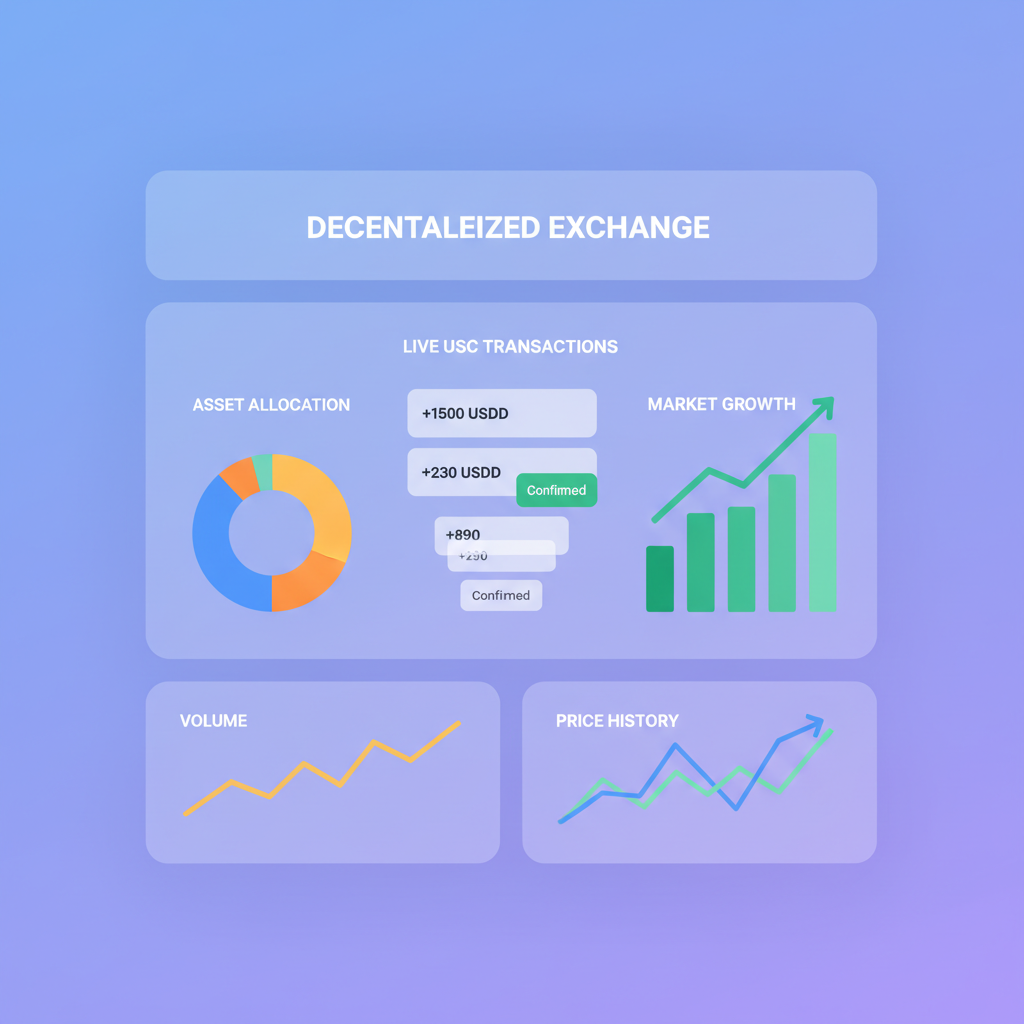
From an educational lens, consider transaction flows. A buyer spots an NFT, clicks the OneClickStable button, signs via wallet, and settles in USDC on Arbitrum. No bridges, no swaps, just execution. Sellers receive funds permissionlessly, with options for instant fiat via integrated ramps. Data from tokenized asset reports, like Paul Barron’s analysis of Circle’s growth, predicts explosive adoption as tokenization hits mainstream DeFi and real-world assets.
Implementation Best Practices for Frictionless Scale
Scaling demands deliberate choices. Start with chain selection: prioritize L2s where Multichain Bridged USDC on Fantom holds at $0.0187, up $0.000520 (0.0284%) over 24 hours, between $0.0283 high and $0.0181 low. SDKs like Layer Crypto Checkout route here natively, dodging Ethereum congestion. Test wallet compatibility rigorously; MetaMask dominates, but WalletConnect unlocks mobile masses.
Security isn’t optional. Embed compliance from day one: KYC-light plugins like Zeno suit bootstrapped teams, while Native Financial’s enterprise APIs handle volume with audits. Monitor peg deviations analytically; if bridged USDC drifts, fallback to native via SDK swaps. Opinion: Over-engineer error handling. Users abandon at the first revert. OneClickStable Web3 plugins excel by pre-validating gas and balances, ensuring 99% success rates.
Scale Web3 Marketplaces: 5-Step OneClickStable USDC SDK Integration
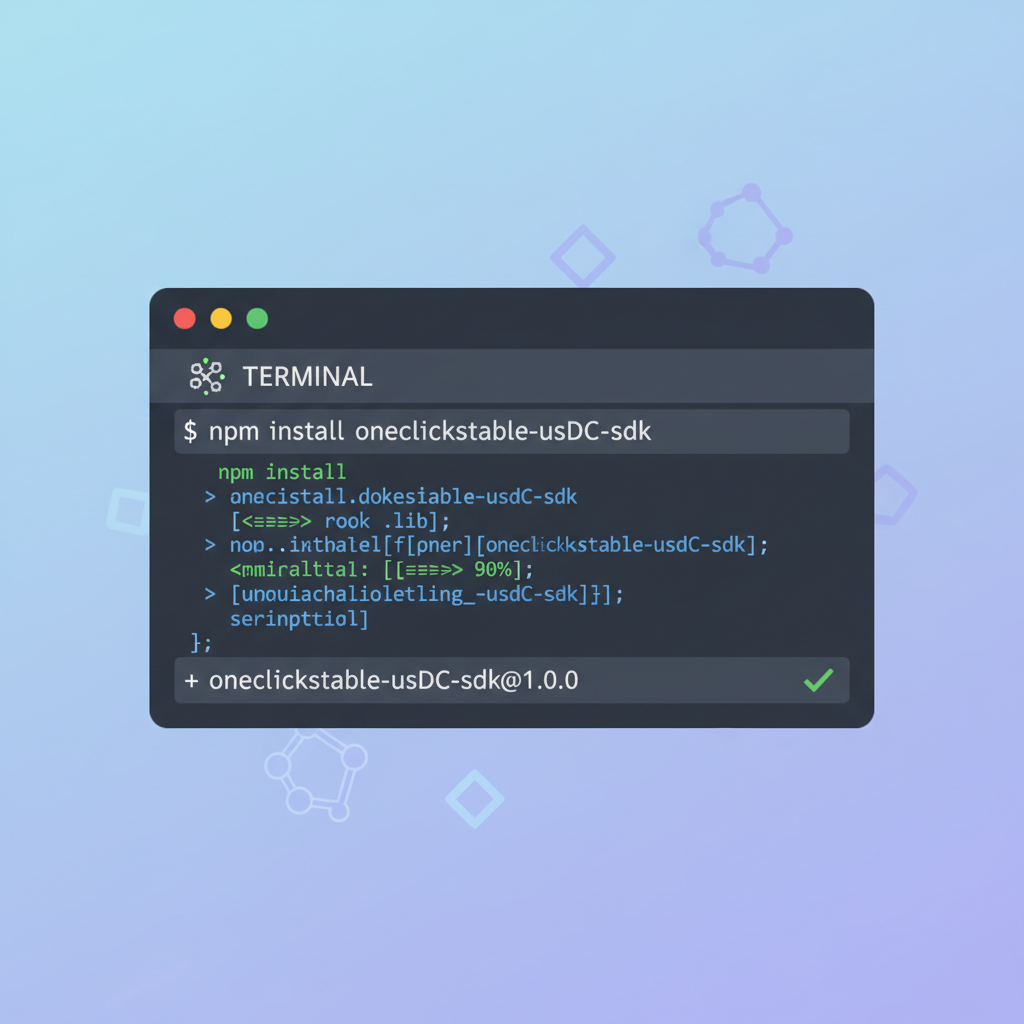
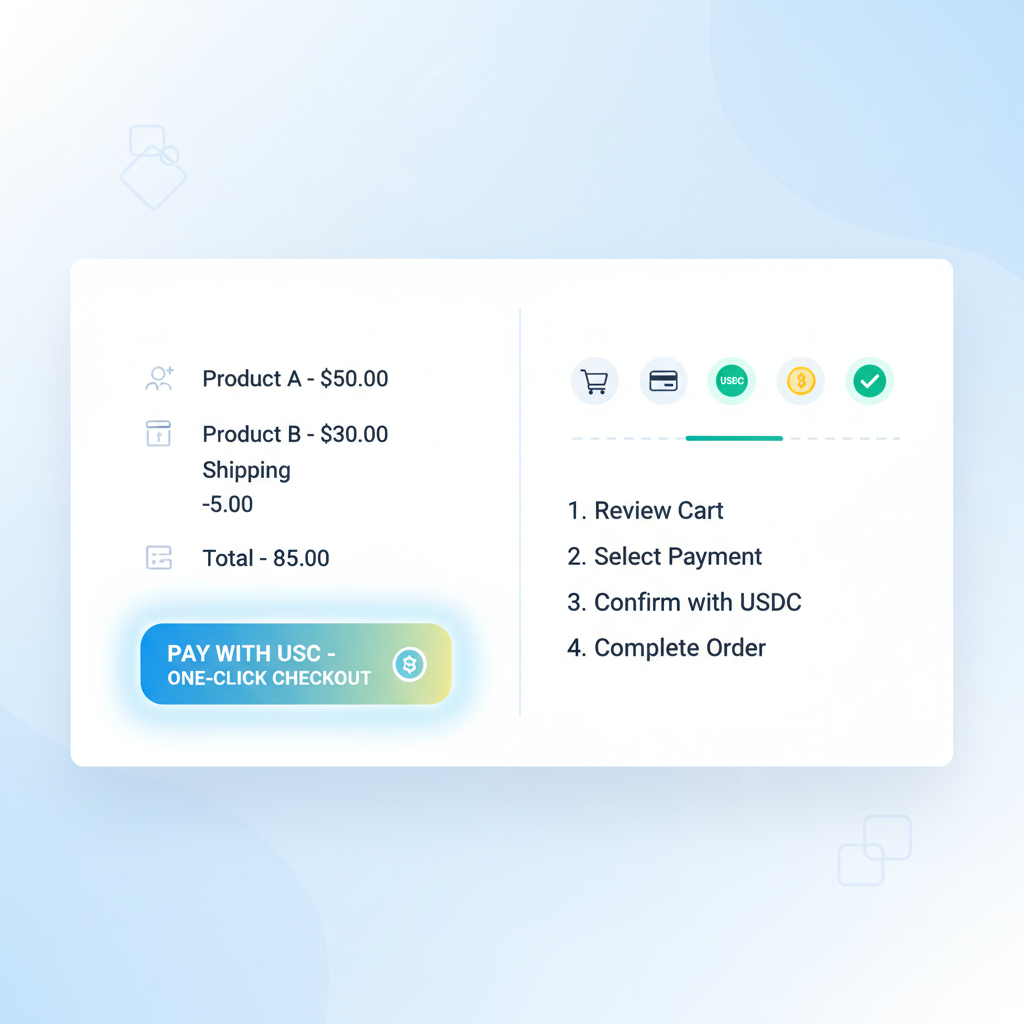
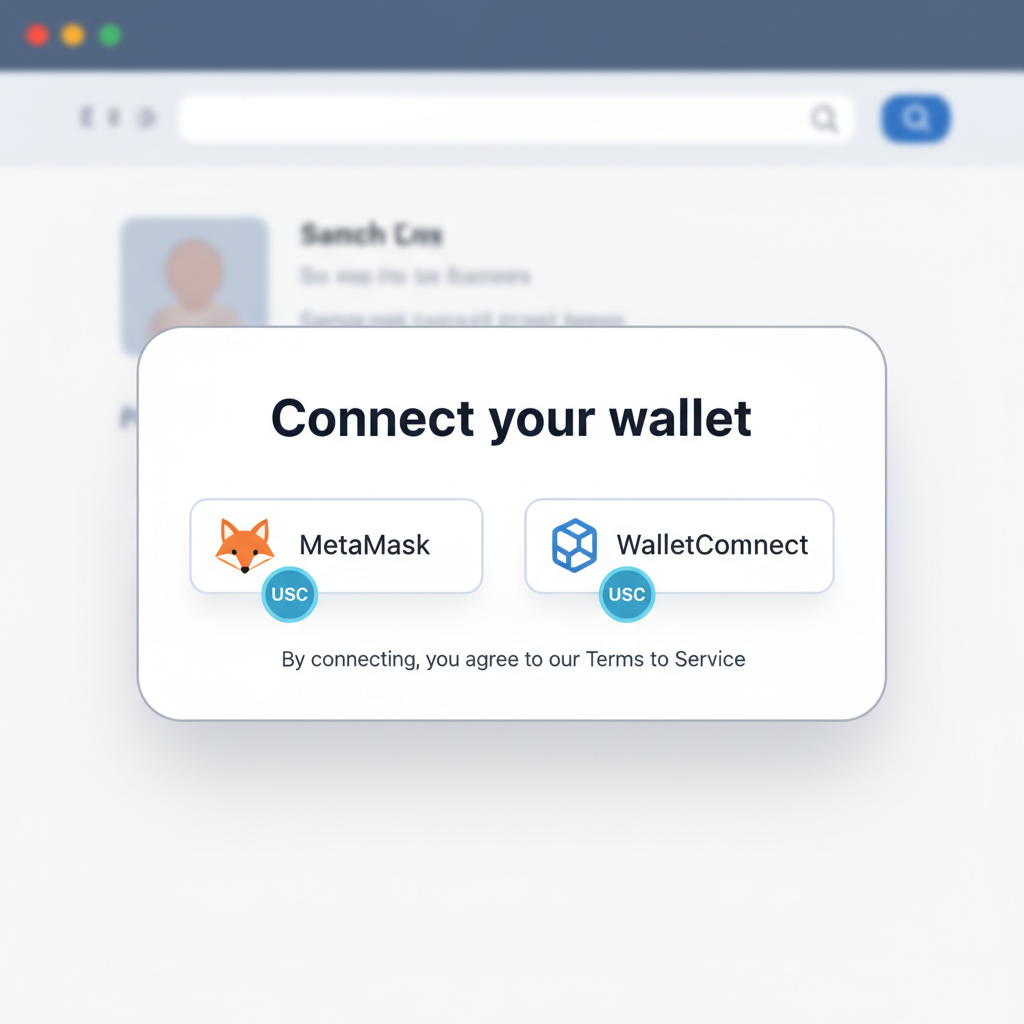
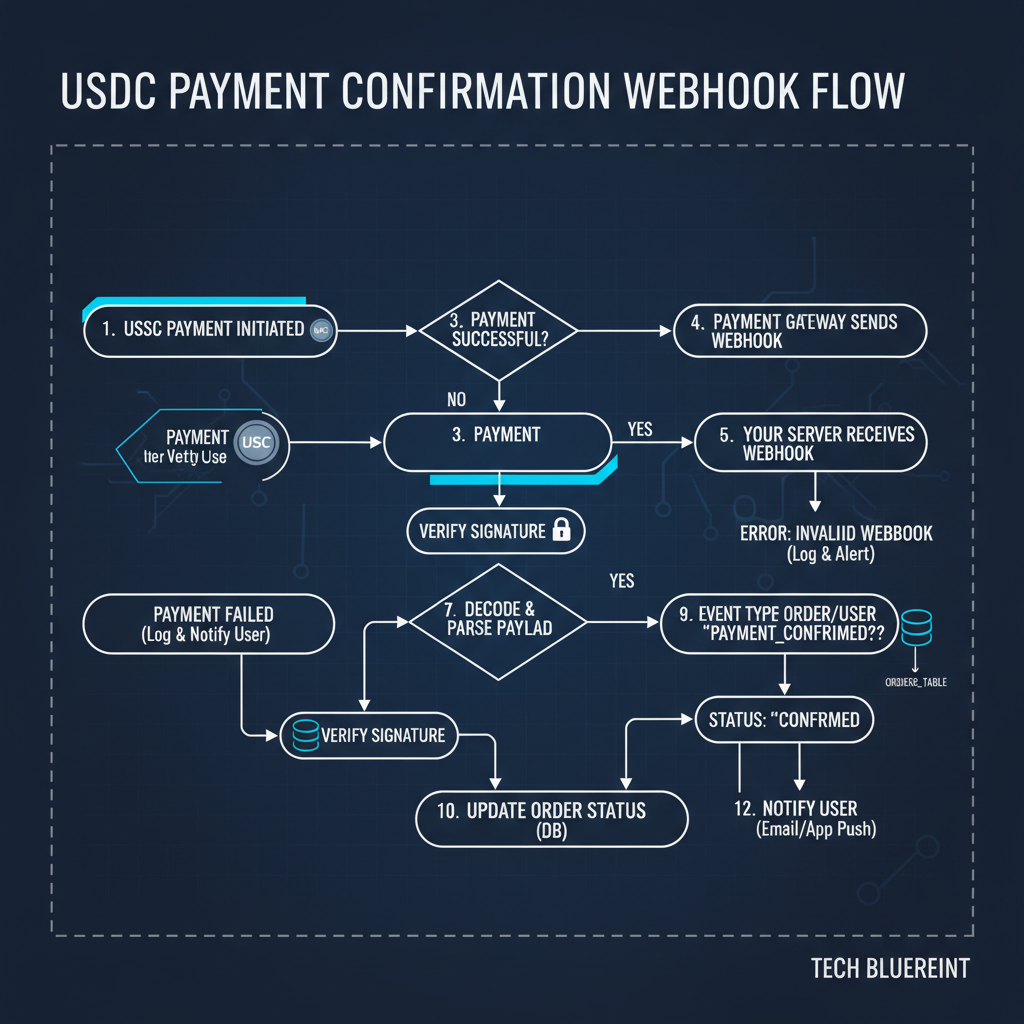

Performance metrics tell the story. Marketplaces report 40% drop in cart abandonment post-integration, per adapted WooCommerce benchmarks. DePay’s multi-chain support lets sellers list across Solana and EVM without silos, amplifying inventory reach. For multi-vendor platforms like Dokan, Unicrow’s USDC escrow resolves disputes on-chain, slashing chargebacks.
Future-Proofing with One-Click Stablecoin Marketplace Innovations
Looking ahead, programmable wallets from Circle redefine access. Pair them with MoonPay’s Solana USDC for cross-chain fluidity, where a single click bridges buyers from Web2 to yields in Aave, as Decentralised. co envisions. QuickNode’s USDC APIs enable backend orchestration, tracking payments like fiat processors.
| Challenge | One-Click SDK Solution | Impact |
|---|---|---|
| High gas fees | L2 routing (Arbitrum/Base) | Sub-cent costs |
| Wallet friction | MetaMask/WalletConnect auto-connect | 50% conversion boost |
| Peg risks | Native USDC fallbacks | 99% stability |
| Compliance | Built-in KYC/AML hooks | Global expansion |
These tools position OneClickStable Web3 plugins as linchpins for scale crypto payments marketplace ambitions. Developers building TypeScript NFT setups, per Cyfrin guides, layer in CCTPMoney’s upcoming SDKs for tracking polish. The result? Marketplaces that hum at global scale, where USDC’s programmability meets user intuition. Stability amid volatility isn’t luck; it’s engineered through smart adoptions like these.