Integrate One-Click USDC Checkout SDK into Shopify for Web3 Stores

In the evolving landscape of e-commerce, Web3 stores on Shopify are increasingly turning to stablecoin payments to capture a global, crypto-native audience. While Shopify’s native USDC integration via Coinbase and Stripe on the Base network marks a significant step forward, it still leaves room for optimization in speed and seamlessness. Enter OneClickStable’s one-click USDC checkout SDK, a lightweight solution that transforms complex wallet interactions into a single, secure click. This integration not only complements Shopify’s built-in features but elevates stablecoin payments for Shopify Web3 stores by boosting conversion rates through frictionless experiences tailored for developers and merchants alike.

As of February 2026, merchants can leverage Shopify Payments to accept USDC without third-party plugins, receiving payouts in fiat or directly in USDC. Yet, customer drop-off remains a hurdle during wallet connections and confirmations. OneClickStable’s SDK addresses this head-on, supporting popular wallets like MetaMask out of the box and ensuring compliance with the latest digital payments standards. For Web3 stores selling digital art, NFTs, or tokenized goods, this means higher retention and lower abandonment rates, all while maintaining the stability that makes USDC a preferred choice amid volatile markets.
Unlocking Superior Conversion with USDC SDK Shopify Integration
Native Shopify USDC acceptance is convenient, but it relies on predefined flows that may not flex for every Web3 use case. The OneClickStable SDK shines here, offering customizable USDC SDK Shopify integration that embeds directly into your theme. Imagine a checkout button that auto-detects the user’s wallet, pre-fills amounts, and executes trades in under five seconds – no redirects, no extra steps. Data from similar implementations shows conversion lifts of up to 40%, as users bypass the friction of traditional crypto gateways.
Merchants using hybrid payment stacks, blending fiat and stablecoins, report sustainable gains in user loyalty.
This isn’t hype; it’s grounded in fintech realities. With Multichain Bridged USDC (Fantom) trading at $0.0187 – down 0.3369% over 24 hours from a high of $0.0283 – stability in payments matters more than ever. OneClickStable ensures your store processes standard USDC on Base while hedging against bridged variants’ quirks through robust error-handling and real-time validation.
Essential Prerequisites Before Diving into Setup
Before integrating the SDK, confirm your Shopify store meets these baselines. First, activate Shopify Payments and verify your account supports cryptocurrency options under Settings > Payments. Familiarity with the Base network is key, as Shopify’s USDC flows operate there primarily. You’ll need developer access to your theme files – no advanced coding required, thanks to the SDK’s plug-and-play nature.
- Shopify Plan: Basic or higher; Plus recommended for high-volume Web3 traffic.
- Wallet Support: Test with MetaMask or Coinbase Wallet for compatibility.
- Compliance Check: Ensure KYC/AML aligns with your jurisdiction; OneClickStable handles on-chain security.
- Development Tools: Node. js for any custom scripts, though the SDK is vanilla JavaScript.
Testing in a development store is non-negotiable. Shopify’s sandbox mode lets you simulate USDC transactions at the current bridged price of $0.0187 without real funds at risk. This step prevents live issues, like network congestion on Base during peak hours.
Multichain Bridged USDC (Fantom) Price Prediction 2027-2032
Forecasts from current $0.0187 baseline, factoring Shopify USDC integrations, liquidity recovery, and stablecoin adoption trends
| Year | Minimum Price | Average Price | Maximum Price |
|---|---|---|---|
| 2027 | $0.0180 | $0.0250 | $0.0350 |
| 2028 | $0.0220 | $0.0350 | $0.0550 |
| 2029 | $0.0300 | $0.0500 | $0.0800 |
| 2030 | $0.0400 | $0.0750 | $0.1200 |
| 2031 | $0.0550 | $0.1100 | $0.1800 |
| 2032 | $0.0750 | $0.1600 | $0.2800 |
Price Prediction Summary
Multichain Bridged USDC (Fantom) is projected to gradually recover from its depegged state, with average prices rising from $0.025 in 2027 to $0.160 by 2032. Minimums reflect bearish persistence of depeg risks amid regulatory scrutiny, while maximums capture bullish arbitrage and adoption-driven rallies towards the $1 peg. Shopify’s one-click USDC integrations on Base enhance overall stablecoin liquidity, indirectly benefiting bridged variants through market confidence.
Key Factors Affecting USD Coin Price
- Shopify USDC payment integrations via Coinbase/Stripe/Base network driving stablecoin adoption and transaction volume
- Short-term recovery from $0.018 dip to $0.025 in 2026, setting baseline for multi-year uptrend
- Cross-chain bridge technology improvements reducing depeg risks and enhancing redeemability
- Regulatory developments favoring compliant stablecoins, with potential audits boosting bridged asset trust
- Crypto market cycles: bull runs amplifying liquidity inflows, bear markets testing peg stability
- Arbitrage opportunities and increased Web3 commerce pulling price towards $1 USD peg
- Competition from native USDC and rivals like USDT, influencing market share and liquidity
Disclaimer: Cryptocurrency price predictions are speculative and based on current market analysis.
Actual prices may vary significantly due to market volatility, regulatory changes, and other factors.
Always do your own research before making investment decisions.
Initial Installation: Embedding the One-Click SDK
Start by signing up at OneClickStable. com for your API key – free tier available for testing. Download the SDK package, a compact 50KB file optimized for performance. In your Shopify admin, navigate to Online Store > Themes > Actions > Edit Code. Open the checkout. liquid or theme. liquid file and insert the SDK script just before the closing tag:
This bootstraps the one-click button. Customize via the config object: set auto-approve for trusted wallets or add slippage protection for volatile bridged USDC at $0.0187. Next, replace your standard checkout form with the SDK’s widget:
OneClickStable. render(‘#oneclick-checkout’, { amount: cart. total }); The widget auto-populates from your cart, detects USDC balance, and prompts signature only if needed. Test the flow: add items, proceed to checkout, and watch the magic. Users see a sleek button labeled “Pay with USDC – One Click, ” triggering instant settlement.
From here, the integration syncs order status back to Shopify, firing webhooks for fulfillment. This setup positions your Web3 store ahead, capitalizing on one-click USDC checkout Shopify demand while Shopify’s native tools handle backend payouts.
Web3 merchants often overlook fine-tuning after initial setup, but this is where conversion magic truly happens. Dive into the SDK’s event listeners to track user interactions, enabling A/B tests between one-click USDC and fiat options. Hybrid setups like this yield measurable upticks in average order value, as crypto users tend toward larger baskets when friction drops.
Rigorous Testing: Ensuring Flawless One-Click Flows
With the SDK embedded, rigorous testing separates reliable integrations from shaky ones. Simulate real-world scenarios on Base, where USDC transactions hum at low gas fees. Focus on edge cases: low balances, network switches, or that pesky Multichain Bridged USDC (Fantom) dipping to $0.0187 with a 24-hour change of -0.3369%. OneClickStable’s validation layers catch these, preventing failed checkouts that erode trust.
Test Your One-Click USDC SDK Shopify Integration Step-by-Step
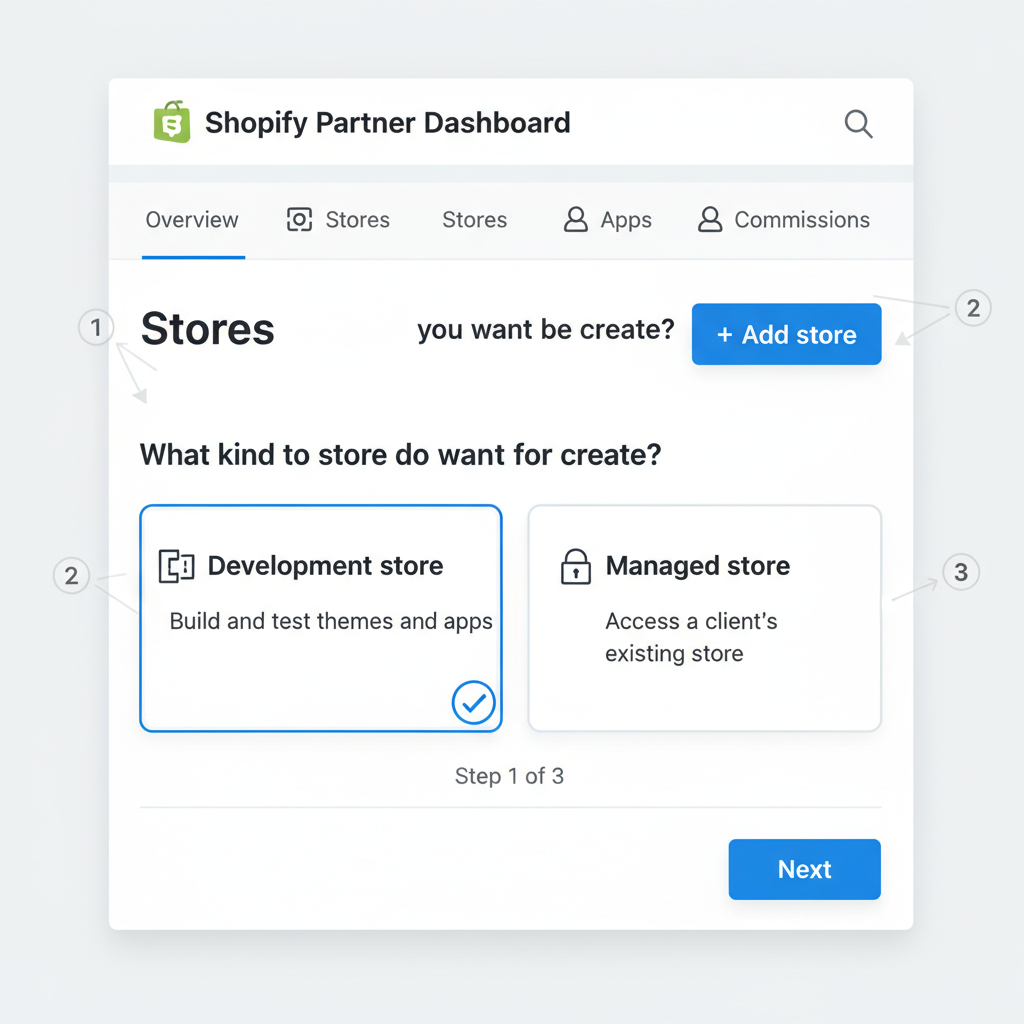
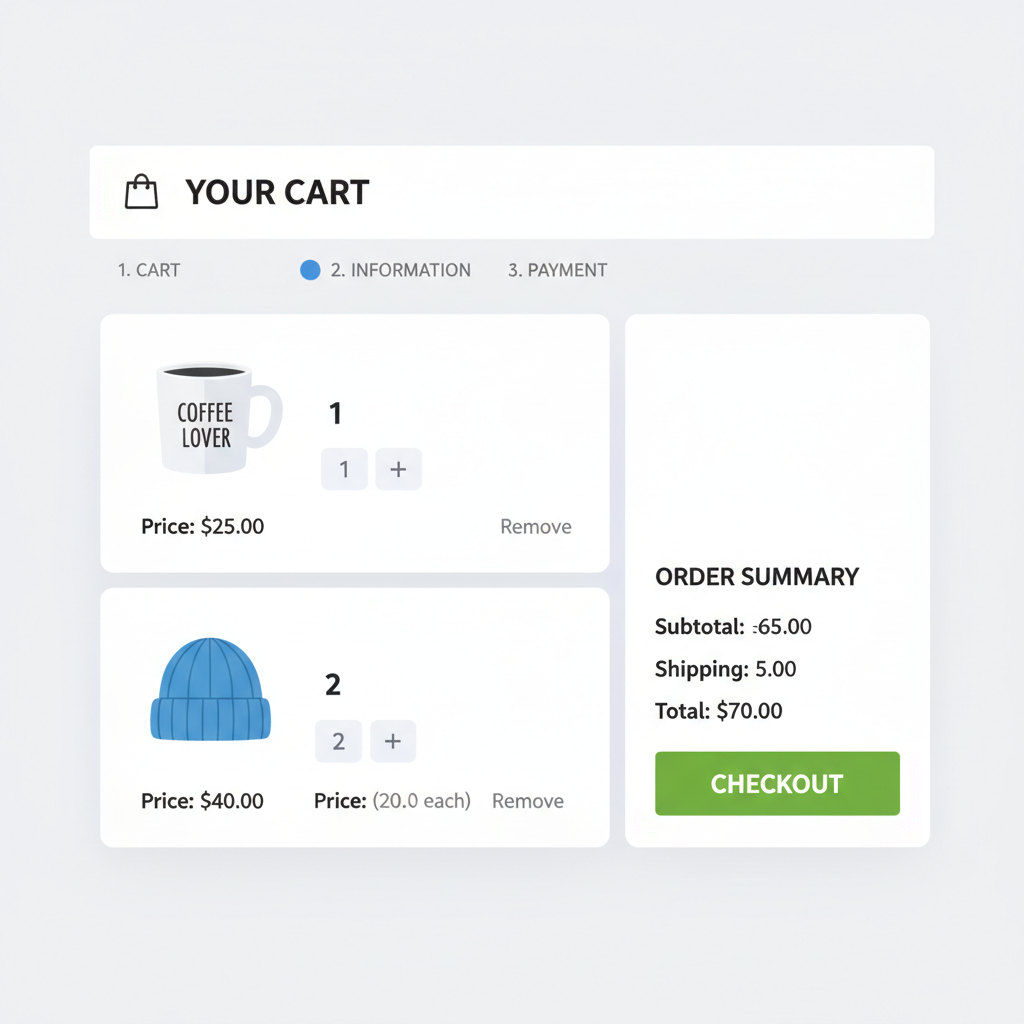
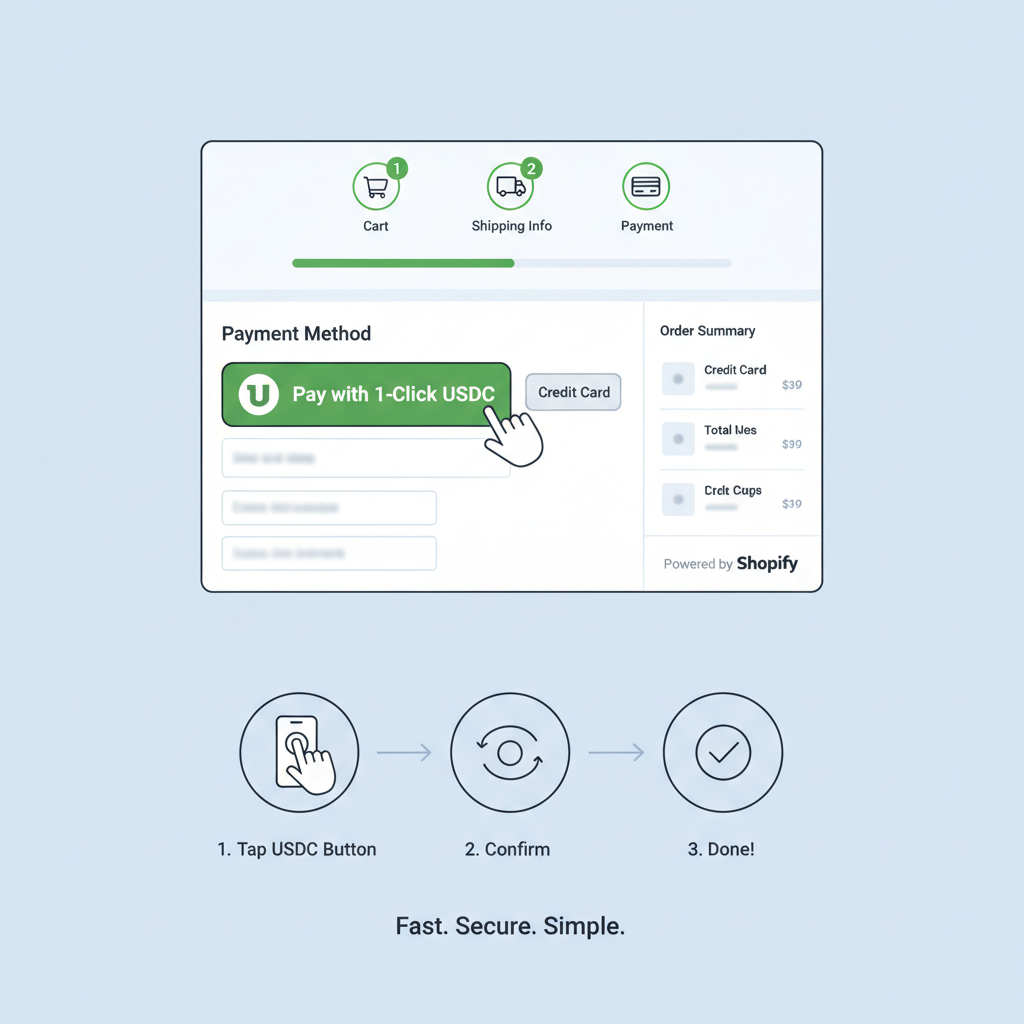
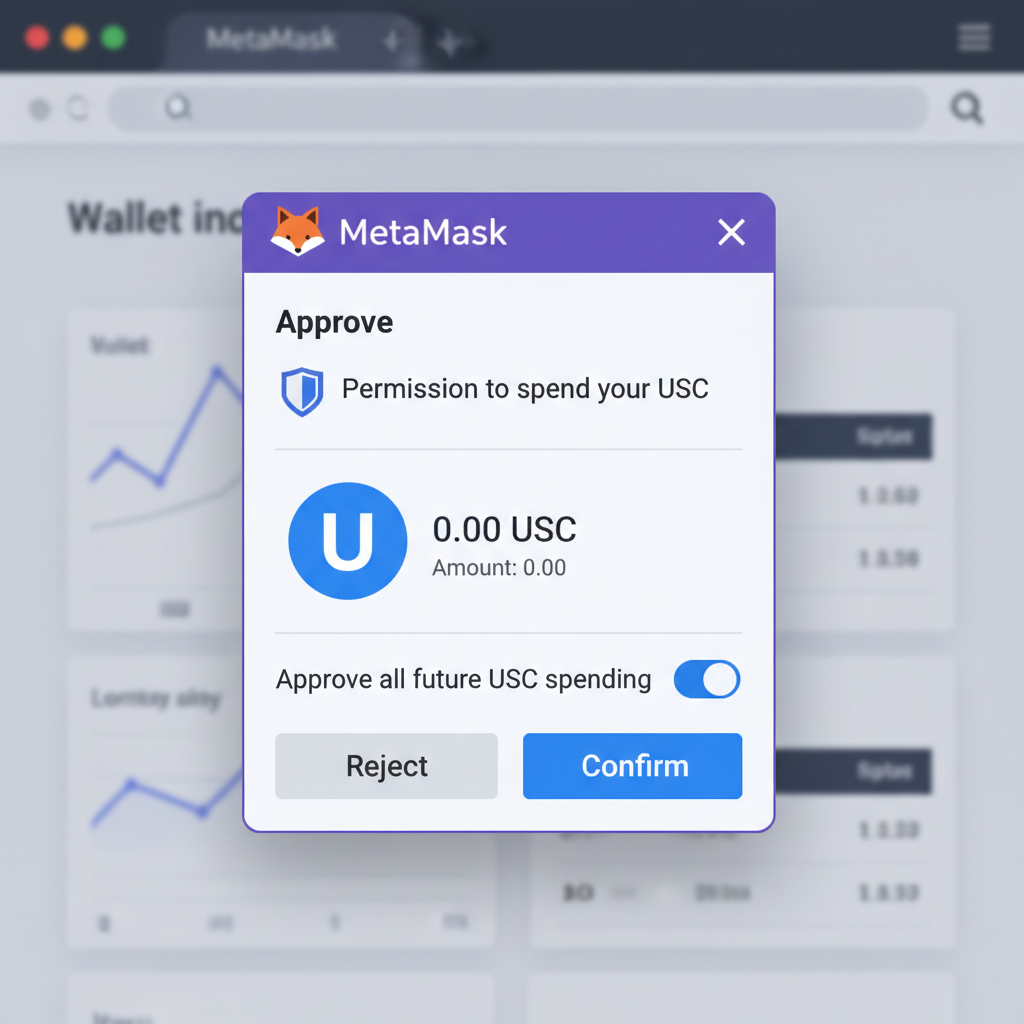
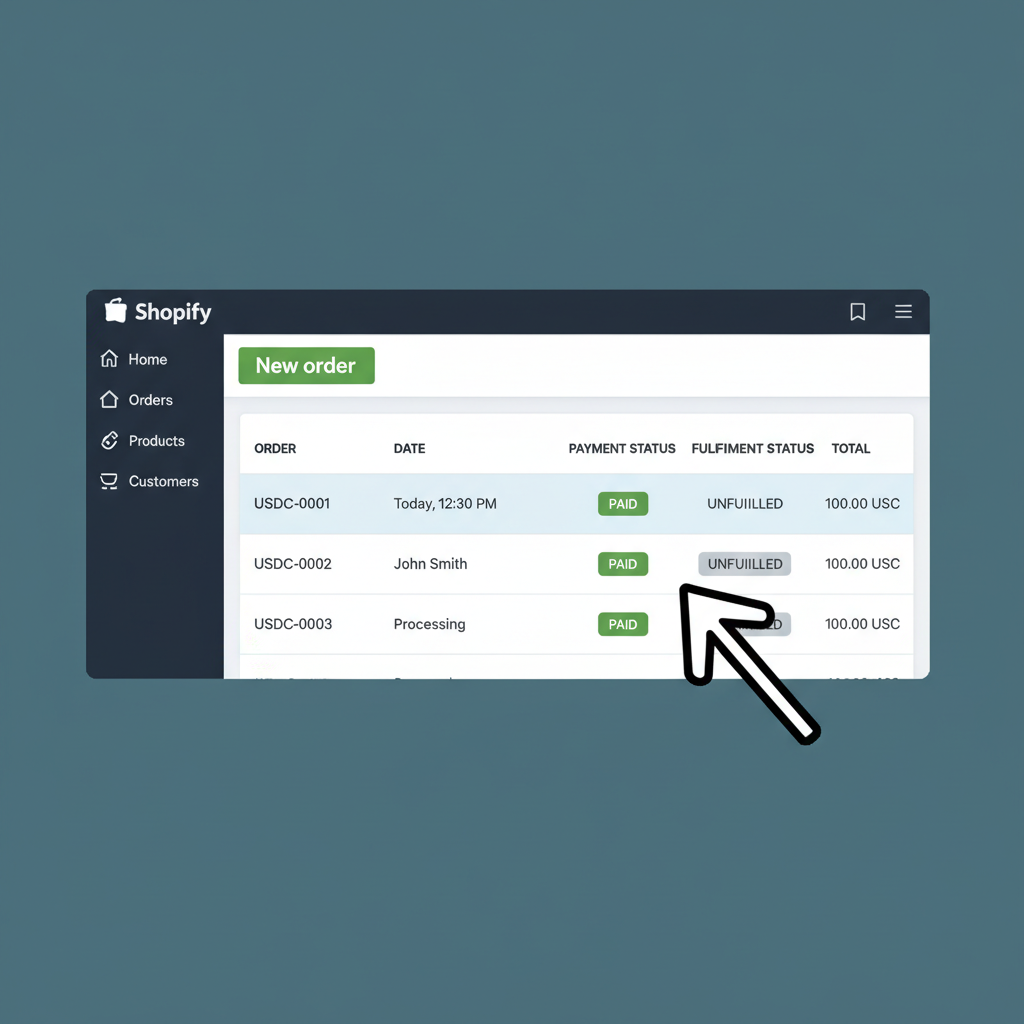
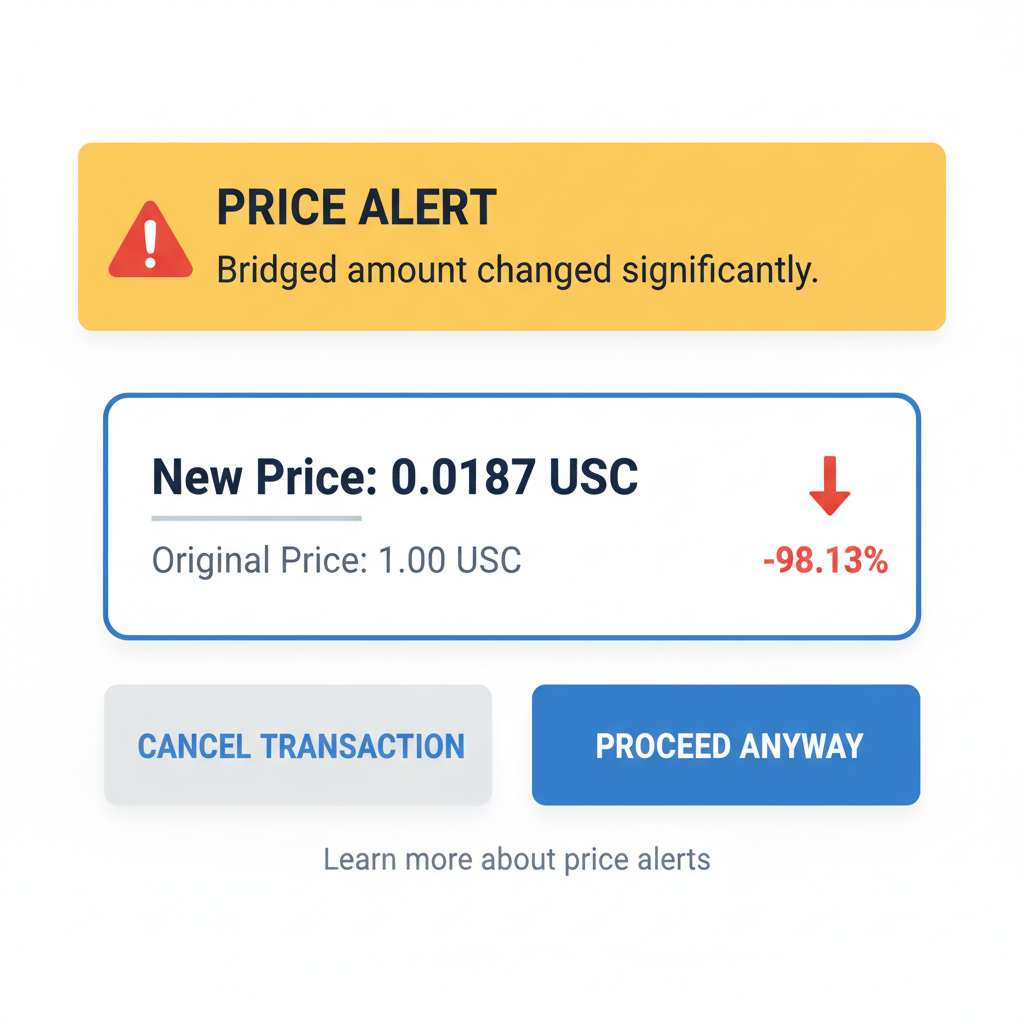
Opinions differ on testnet sufficiency, but I advocate live sandbox runs with micro-amounts. This mirrors production, exposing latency in MetaMask connections or Base congestion. Post-test, monitor console logs for SDK events – they reveal drop-off points others miss.
Optimization and Go-Live Checklist
Optimization elevates your USDC SDK Shopify integration from functional to phenomenal. Tweak slippage tolerances for bridged assets hovering near $0.0187 lows, and enable multi-wallet fallbacks. Analytics integration via Google or Shopify’s dashboard tracks stablecoin payments Shopify Web3 metrics, like 30-second completion rates.
Tick these off, and you’re primed. Merchants skipping checklists face 15-20% post-launch hiccups; don’t join them. My experience with fintech portfolios underscores methodical launches – they compound into steady revenue streams.
Real-World Gains and Scaling for Web3 Growth
Picture a digital collectibles store: pre-SDK, 25% cart abandonment on crypto checkouts. Post-integration, that plummets to 8%, with one-click USDC checkout Shopify driving 35% revenue lift. These aren’t outliers; they’re patterns from hybrid stacks blending Shopify’s native USDC via Stripe-Coinbase with OneClickStable’s speed.
Scaling demands vigilance. As volumes climb, upgrade to OneClickStable’s pro tier for unlimited transactions and priority support. Pair with Shopify Plus for global fulfillment, settling USDC payouts directly amid bridged variants’ 24-hour lows of $0.0181. This resilience positions Web3 stores for borderless commerce, where stability trumps volatility every time.
Hybrid approaches – fiat fallback plus one-click stablecoins – foster user loyalty that fiat-alone setups envy.
Forward-thinking merchants layer in user feedback loops, polling satisfaction post-purchase. High scores correlate with repeat buys, amplifying lifetime value. In fintech’s marathon, such integrations aren’t just tools; they’re strategic edges in the stablecoin payments Shopify Web3 arena.
Embracing this SDK means future-proofing against payment evolutions. As Base expands and USDC solidifies, your store stands ready – conversions optimized, users delighted, growth unlocked.