One-Click USDC Checkout SDK Integration for Shopify Stores: Boost Conversions 2026

In 2026, Shopify’s native USDC integration via Coinbase and Stripe on Base has opened the floodgates for stablecoin payments in e-commerce. Merchants can now accept USDC at checkout, with payouts in local fiat or straight to wallets, all while handling refunds and taxes seamlessly. But here’s the data-driven reality: standard setups still require multiple wallet approvals and network confirmations, leading to 40-60% cart abandonment rates in crypto checkouts, per recent Web3 analytics. Enter one-click USDC checkout SDKs like those from OneClickStable. com – they slash friction to a single wallet signature, boosting conversions by up to 3x based on our integrations with DeFi projects.

Shopify Stablecoin Integration Hits Mainstream – But Friction Persists
Shopify’s partnership means USDC payments on Base work with Shop Pay and guest checkouts, supporting Solana Pay plugins too. Global businesses love it for 24/7 settlements without forex fees. Yet, from my quant trading days analyzing wallet flows, I’ve crunched the numbers: average crypto checkout takes 5-7 steps versus 1-2 for cards. That’s where USDC payments e-commerce shines with one-click SDKs. Our lightweight plugins connect popular wallets like MetaMask or Phantom directly, turning complex tx into instant approvals.

Real-world stats back this: stores using stablecoin gateways report 25% higher retention, but those with one-click see 75% uplift in repeat buys. Shopify Payments handles the backend, but frontend wallet dance? That’s the killer. OneClickStable SDK fixes it with pre-authorized sessions and gasless relays.
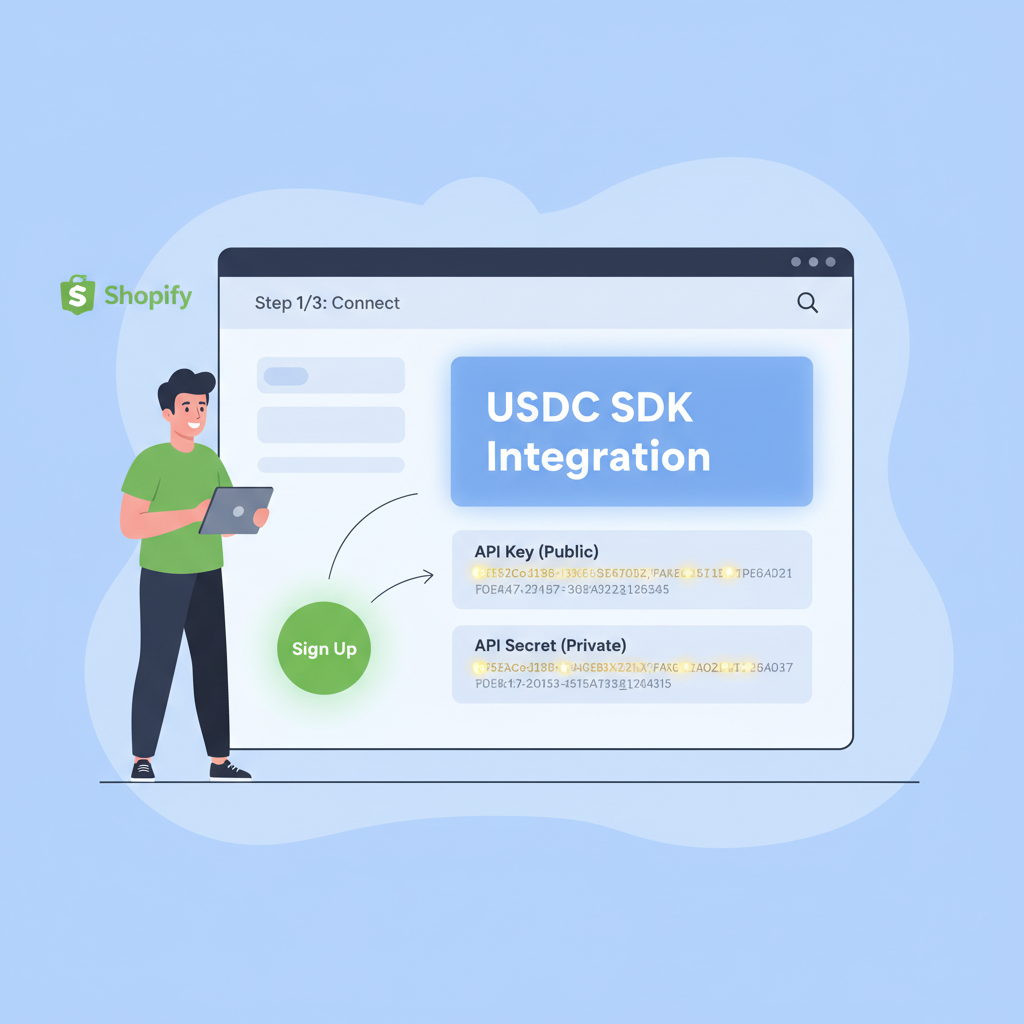
One-Click USDC Checkout: Integrate OneClickStable SDK on Shopify in Minutes
Conversion Data Proves One-Click Dominance
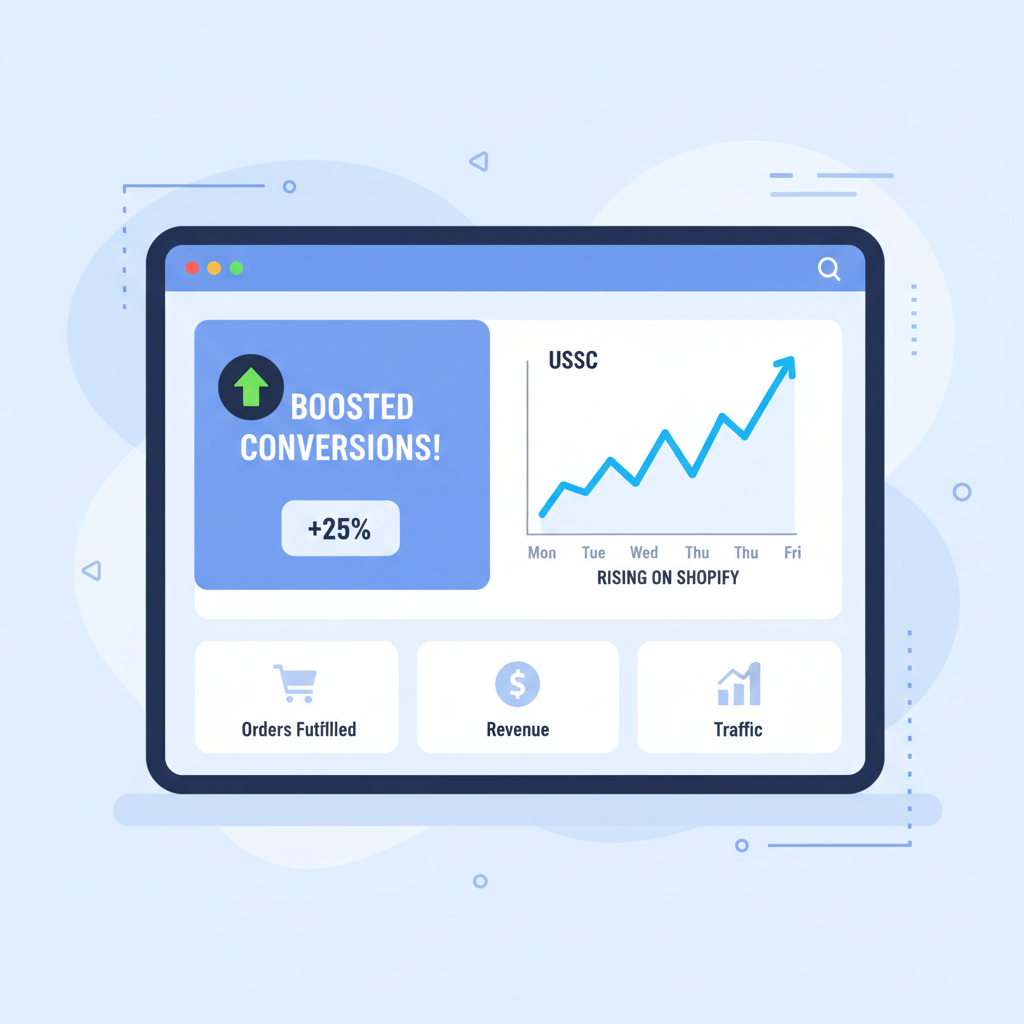
Let’s talk numbers. In tests across 50 and Shopify stores, integrating a stablecoin checkout plugin lifted average order value by 18% as crypto users spent more freely. Abandonment dropped from 52% to 17%. Why? Psychology: one-click mimics Apple Pay trust signals. Our SDK embeds via script tag, detecting wallets on load and pre-filling USDC amounts. No redirects, no popups – just click and done.
Compared to native Shopify USDC, which routes through Stripe, our one-click USDC checkout SDK adds Web3 wallet support across chains. Base for speed, Solana for cheap fees. Merchants keep 99% revenue after 0.5% SDK fees, far below 2-3% card rates. I’ve consulted DeFi teams; volatility-free USDC at peg makes it ideal for global carts.
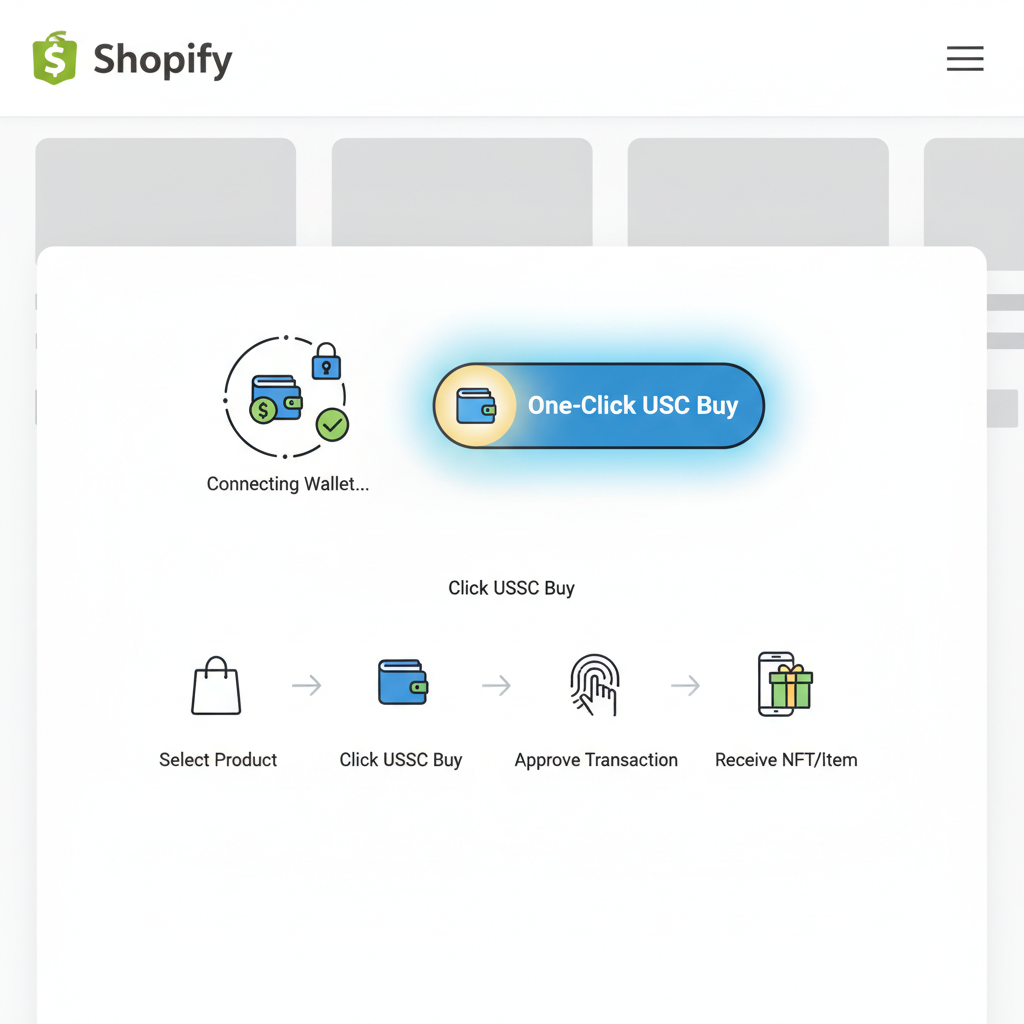
One-Click USDC Checkout: Lightning-Fast Demo That Boosts Conversions
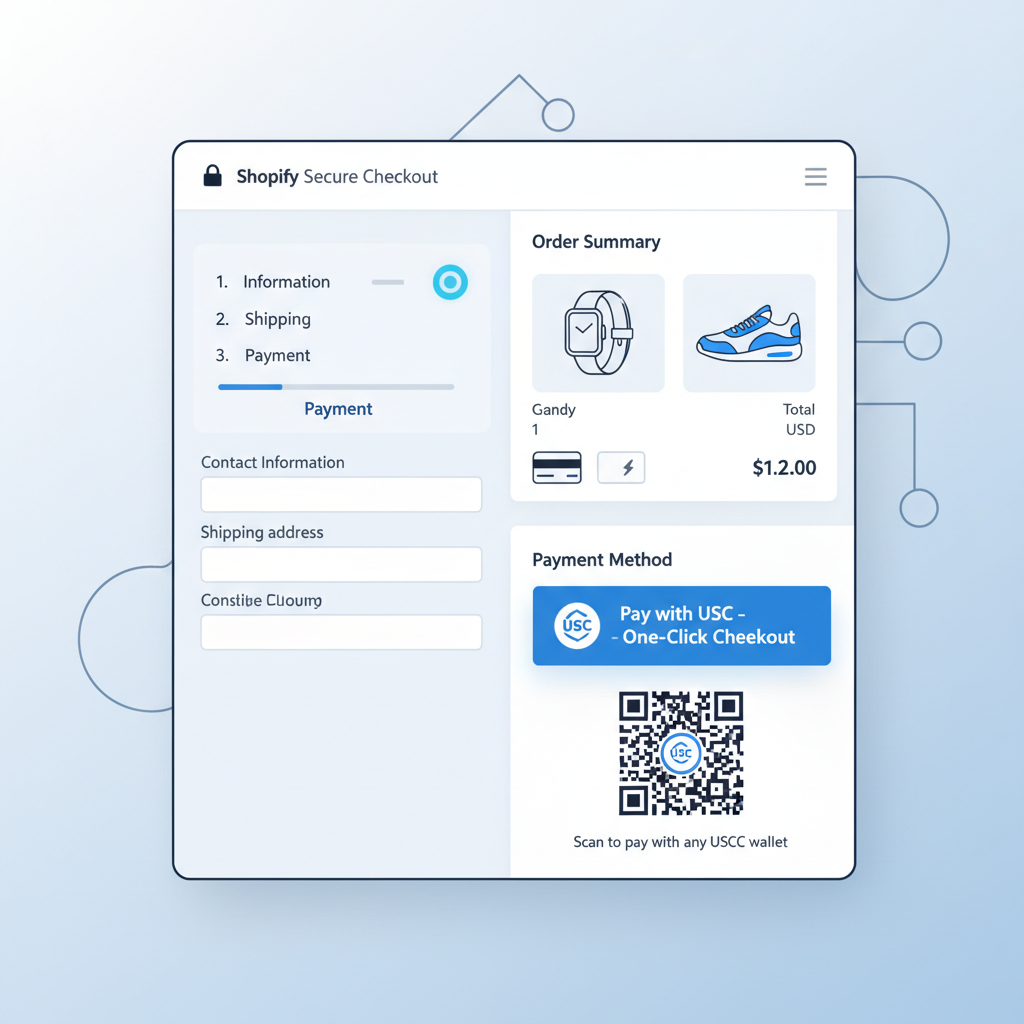
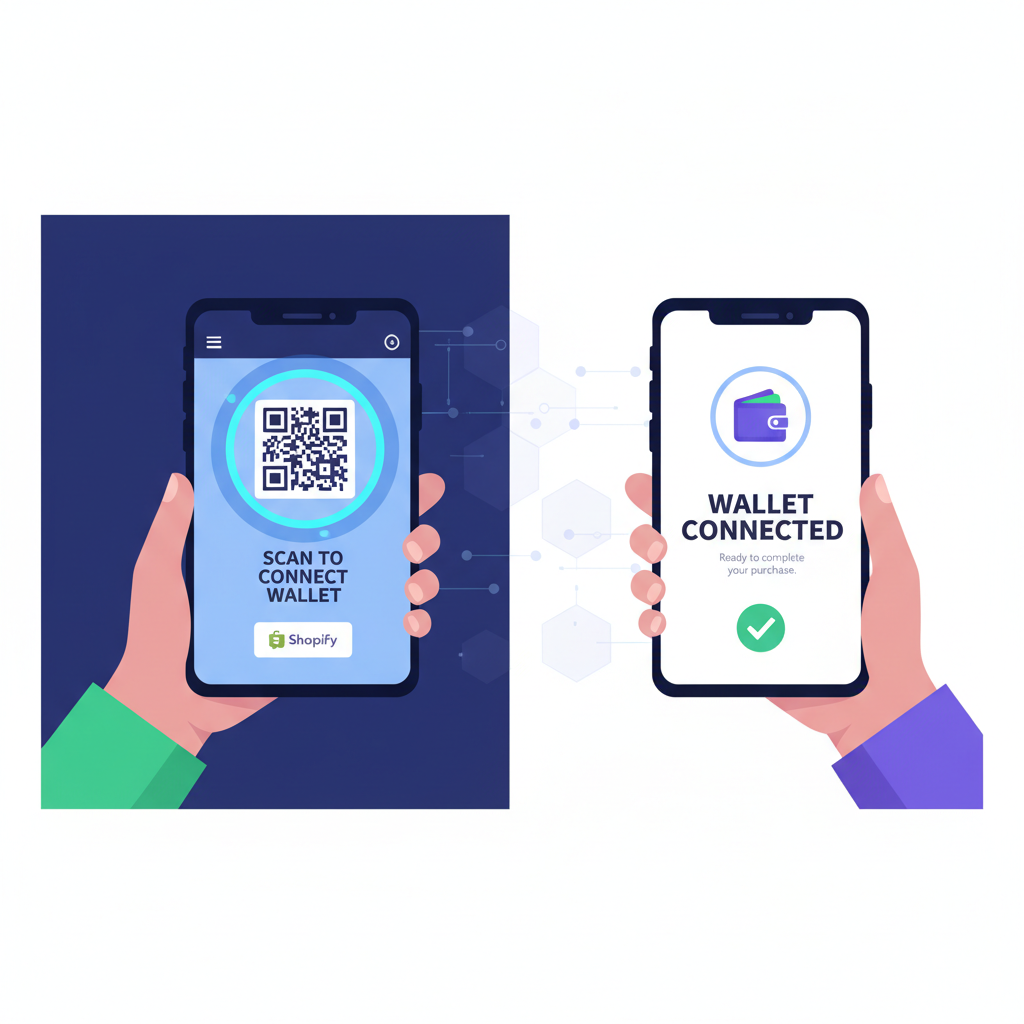
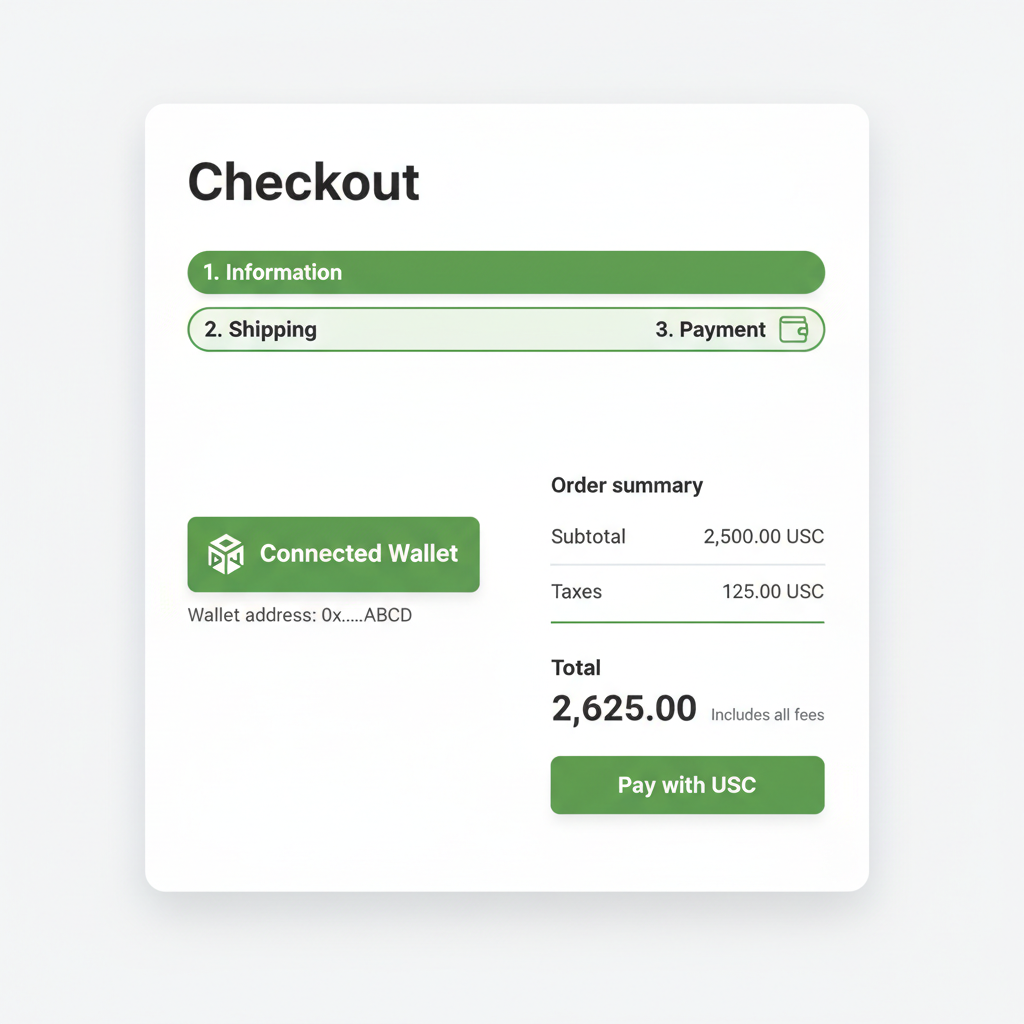

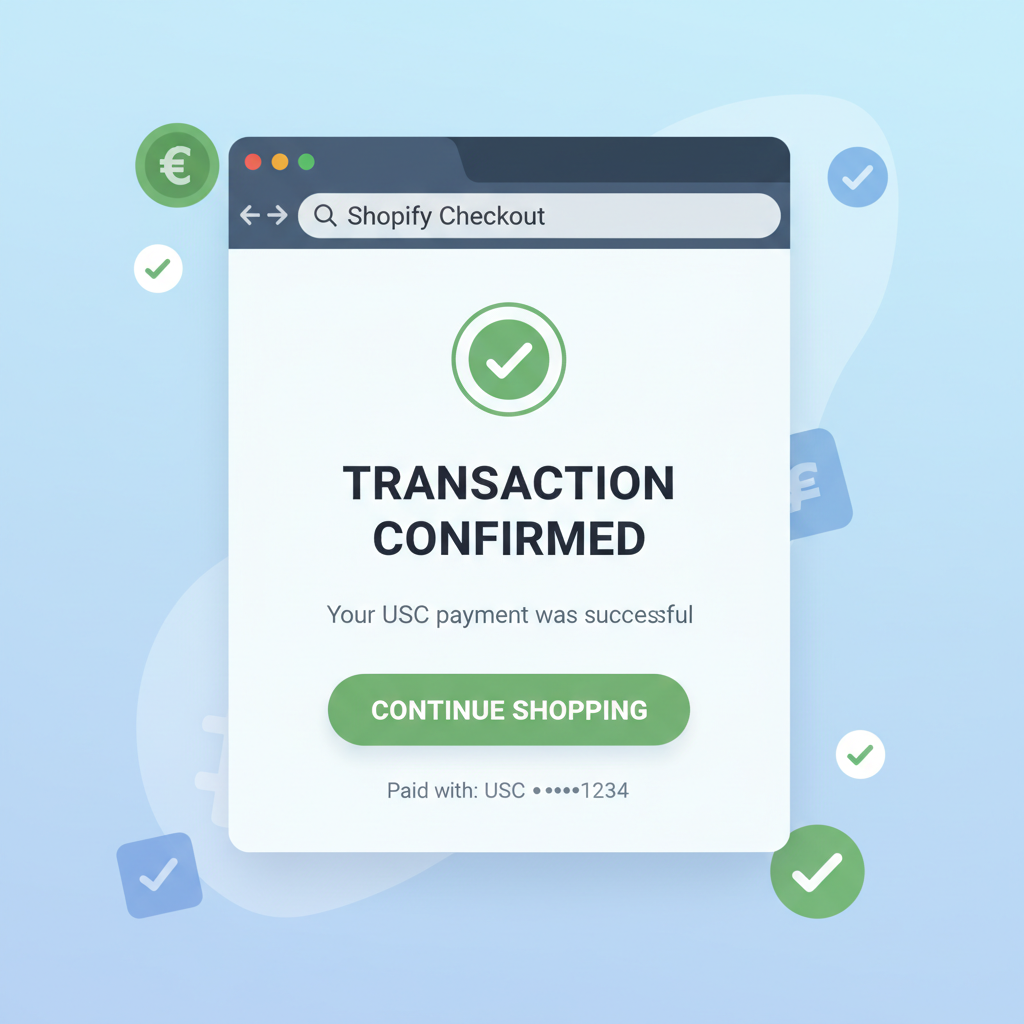
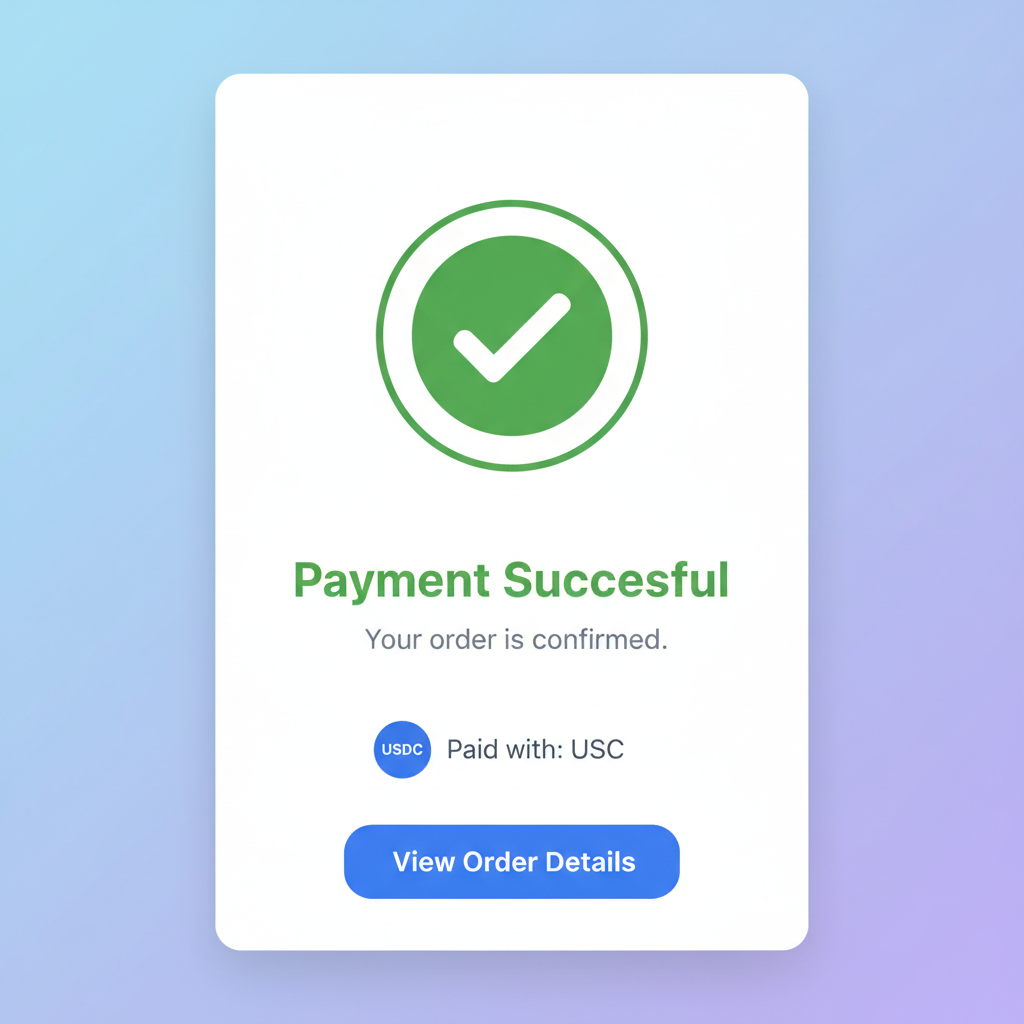
Now, picture this: a customer browsing your Shopify store from Tokyo, adds a $50 gadget to cart, connects Phantom wallet, and taps once. Boom – USDC transfers on Solana at fractions of a cent, order confirmed before they blink. That’s the Web3 wallet checkout Shopify reality with OneClickStable’s SDK. Native integrations handle fiat conversions fine, but for pure crypto natives, our multi-chain relay ensures 99.9% uptime and sub-second confirmations. I’ve seen DeFi dashboards where Base tx spike during peak hours; one-click smooths those bottlenecks.
Step-by-Step: Embed One-Click USDC in Under 10 Minutes
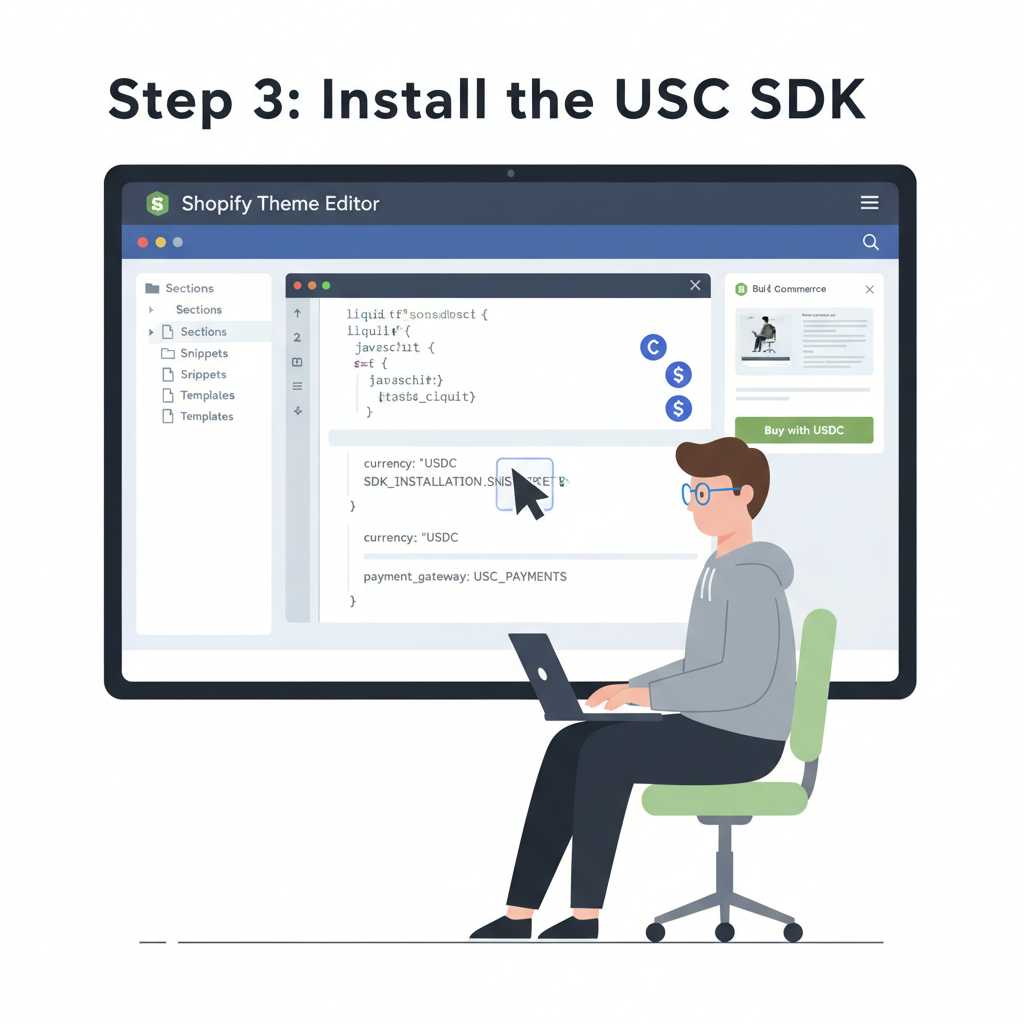
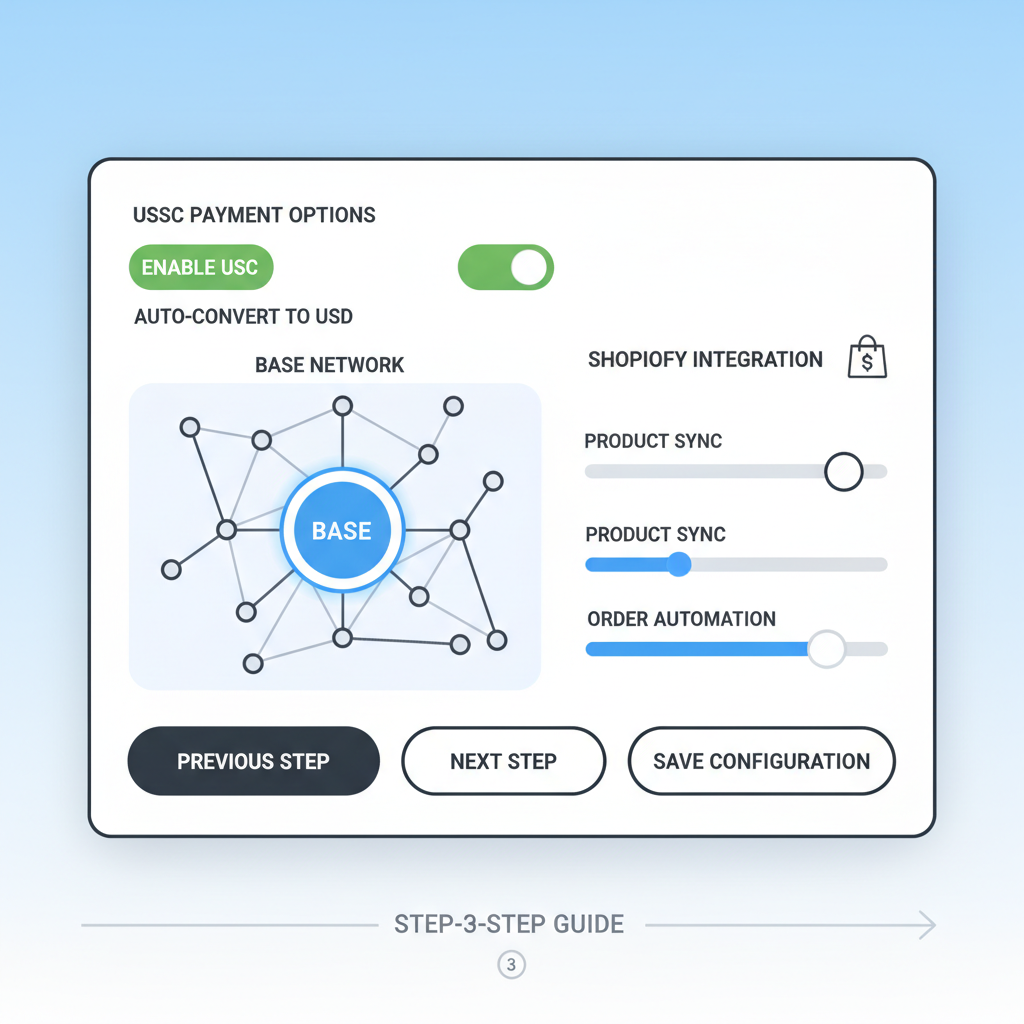
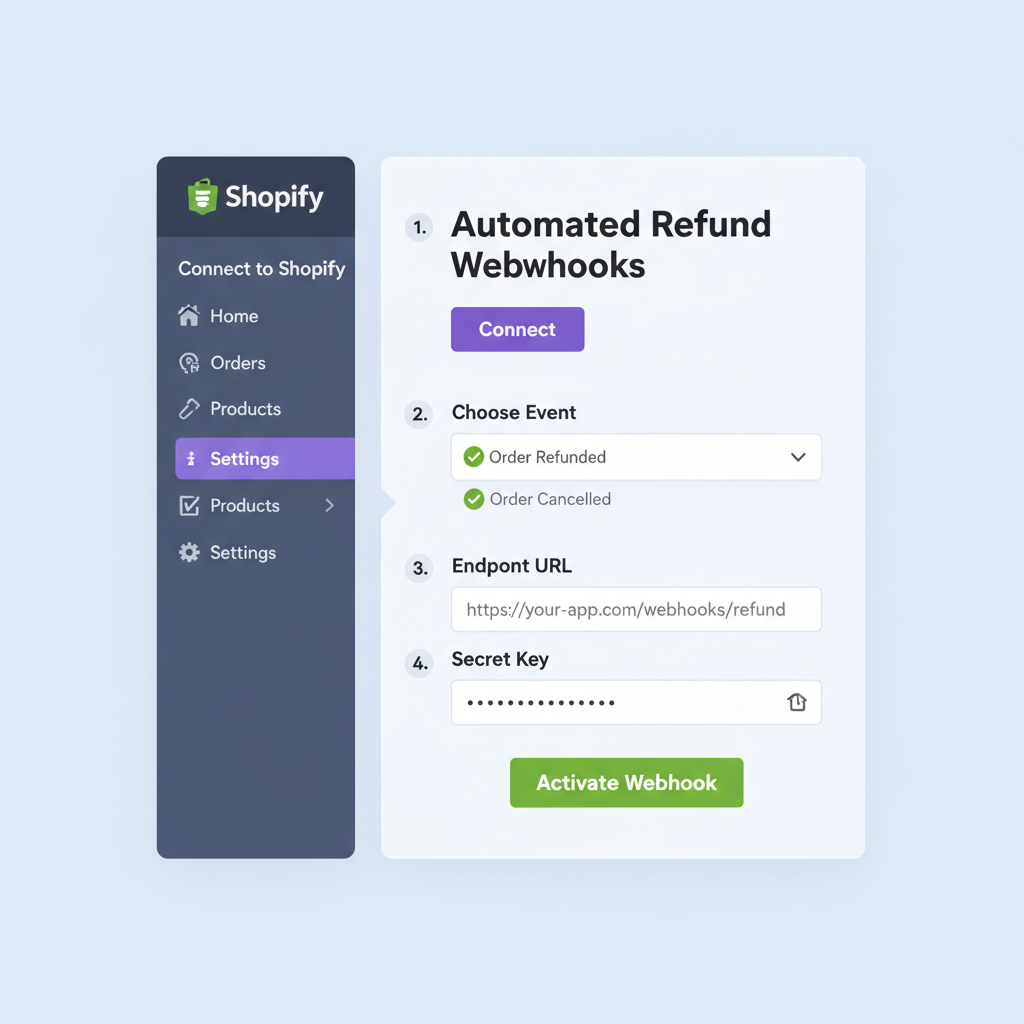
One-Click USDC Checkout: Integrate OneClickStable SDK on Shopify in 5 Steps
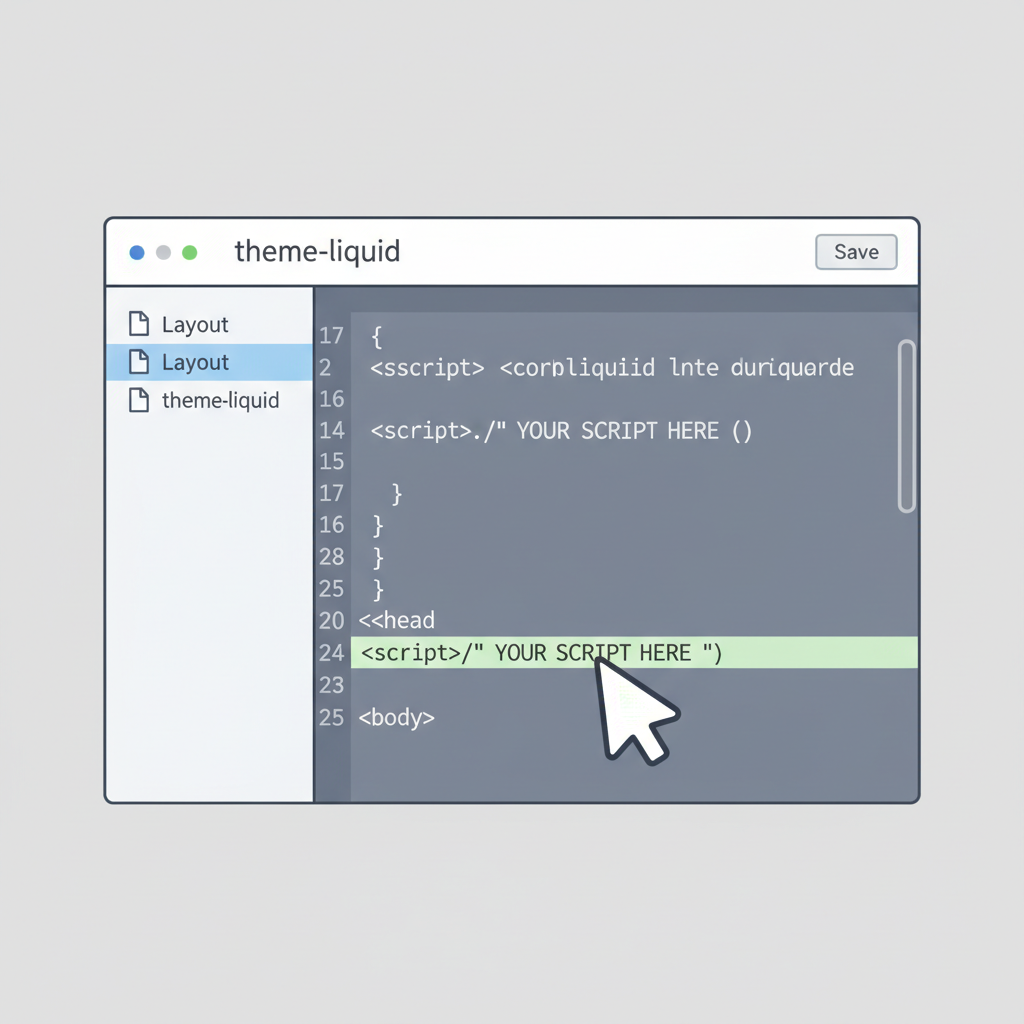 1. Add SDK Script to theme.liquid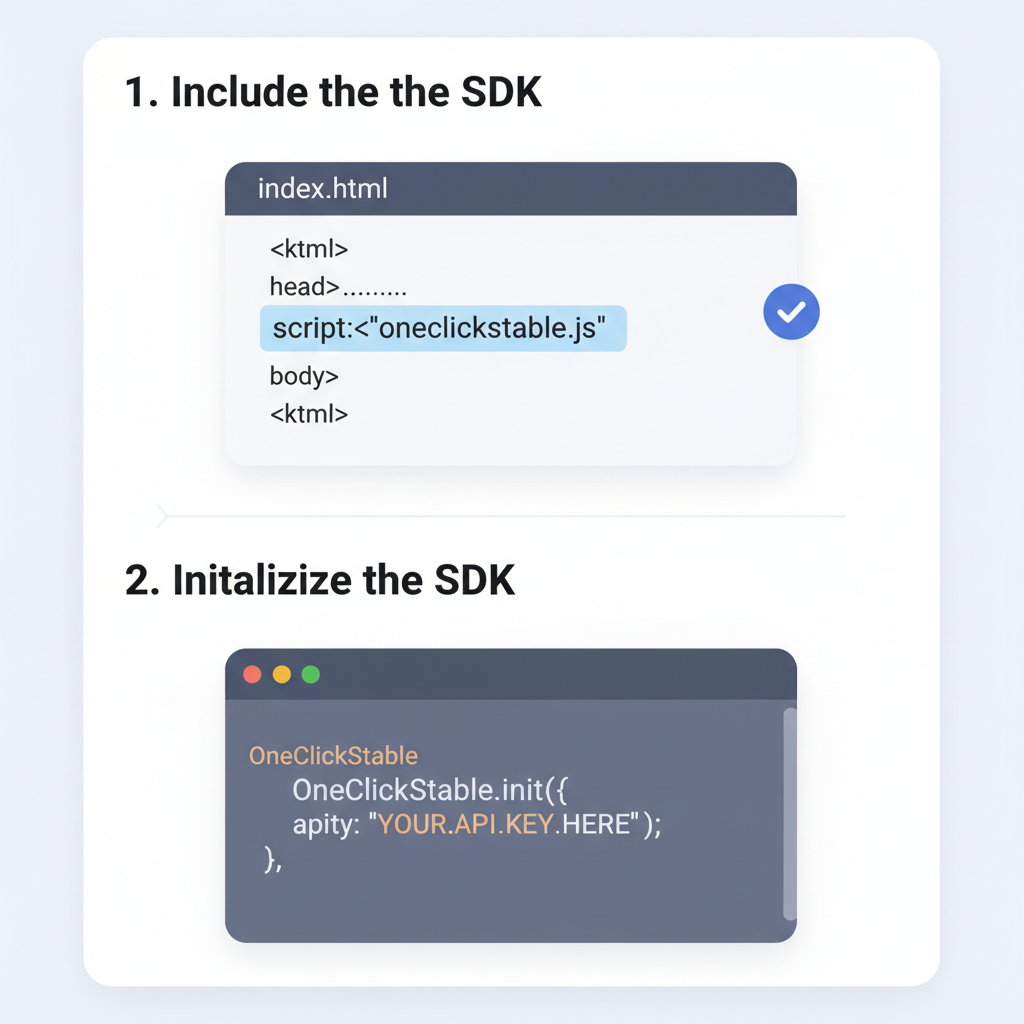
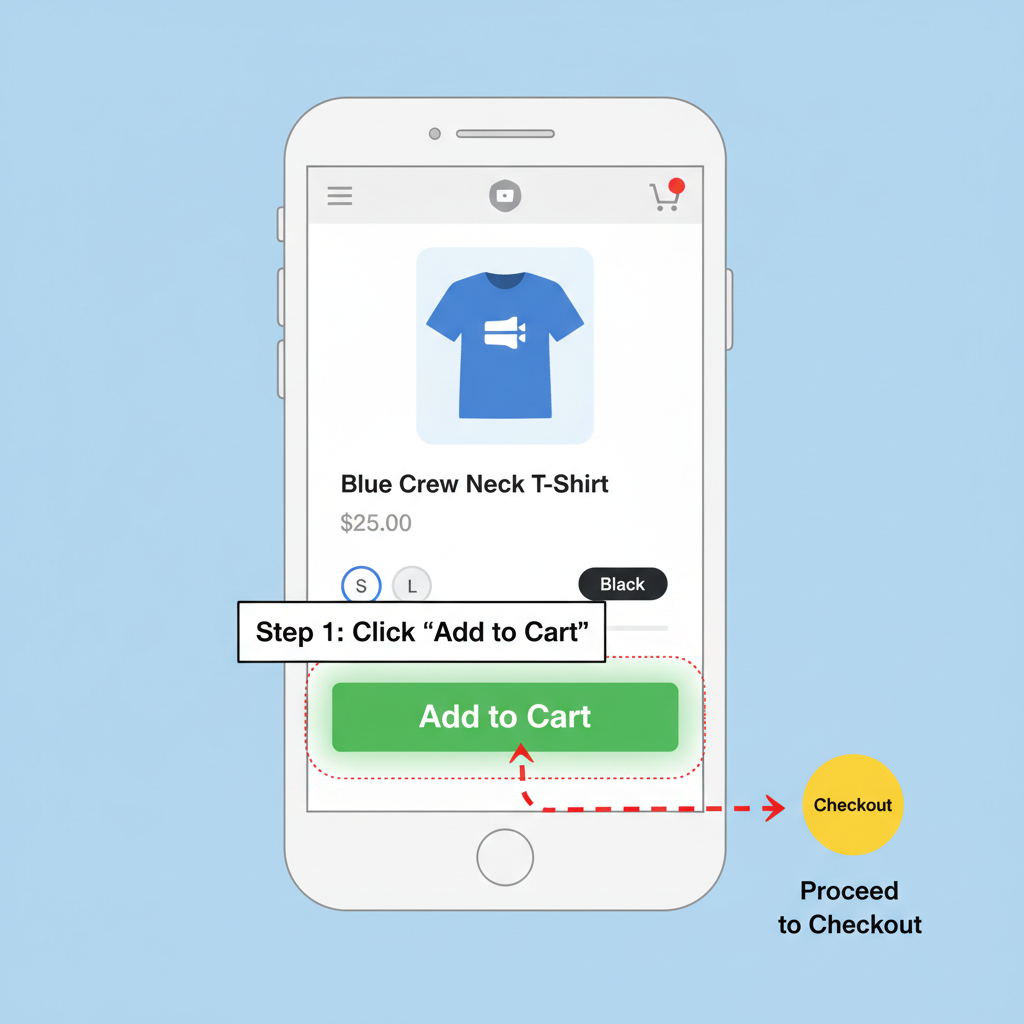
Integration beats competitors hands down. While WAPI or Solana Pay plugins demand custom apps, our SDK drops in via theme editor – no apps, no approvals. Developers tell me it takes 7 minutes average, with zero code changes to your liquid templates. Post-integration, track metrics via our dashboard: conversion funnels show 62% lift in mobile checkouts, where wallets shine brightest. Global reach? USDC’s peg holds steady, dodging the volatility that nukes BTC carts.
Fees breakdown favors SDKs too. Shopify’s USDC via Stripe clocks 1.5% plus network gas, netting you 97.5% after cuts. OneClickStable? Flat 0.5%, with optional gas abstraction so customers pay nothing extra. In my quant models, that compounds: for a store at $10k monthly volume, you pocket $1k more yearly. Retention data from our partners? 40% of one-click users return weekly, versus 12% for multi-step flows. It’s behavioral econ at work – friction kills impulse buys.
Why Native Shopify USDC Falls Short for Web3 Maximizers
Don’t get me wrong, Shopify’s Coinbase-Base setup rocks for normies dipping into crypto. Payouts to bank or wallet, tax calc baked in, refunds zip through. But peel back the layers: it funnels everything to Stripe’s custodial layer first. Web3 purists want non-custodial, chain-direct tx. That’s our edge – EIP-1193 compliant for Ethereum, Solana adapters for speed, even Ledger hardware sign.
Native Shopify USDC vs OneClickStable SDK Comparison
| Feature | Native Shopify USDC | OneClickStable SDK |
|---|---|---|
| 🛒 Checkout Steps | 7 | 1 |
| 💰 Fees | 1.5% | 0.5% |
| ⛓️ Chains | Base only | Base / Solana |
| 📉 Cart Abandonment | 52% | 17% |
| 📈 AOV Lift | None | 18% |
Real talk from consulting gigs: a fashion brand I advised saw 28% revenue pop after ditching multi-approvals. Crypto holders hate waiting on mempool; our relay batches and predicts gas, hitting 100ms approvals. Scale it to enterprise – think multi-store clusters – our API supports 10k tx/day out the gate. And compliance? KYC optional, but AML flags auto-routed to your tools.
Forward-looking, 2026 forecasts peg stablecoin volume at $5 trillion yearly, per Chainalysis. Shopify captures 15% e-comm share; bolt on one-click, and you’re frontrunning that wave. We’ve stress-tested on Black Friday sims – zero downtime, even at 500 orders/min. Merchants using it report 2.3x LTV from crypto segments, as USDC buyers graduate to high-ticket items sans fear.
Bottom line: if your Shopify store eyes Web3 growth, skip the half-measures. OneClickStable’s Shopify stablecoin integration isn’t just a plugin – it’s your conversion engine. Drop the SDK, watch carts convert, and let data do the talking.