How to Integrate One-Click USDC Checkout SDKs for E-Commerce Platforms Boosting Conversions
In the evolving landscape of digital commerce, where transaction friction can erode customer trust and cart abandonment rates hover around 70%, integrating one-click USDC checkout SDKs emerges as a fundamental shift. E-commerce platforms stand to gain from stablecoin e-commerce integration not through fleeting hype, but by addressing core pain points: volatility, slow settlements, and complex wallet interactions. USDC, pegged reliably at its dollar value, enables wallet-integrated stablecoin payments that feel as intuitive as traditional card swipes, yet with global reach and near-instant finality.

Recent developments underscore this momentum. Shopify’s June 2025 partnership with Coinbase and Stripe rolled out USDC via Shop Pay, slashing fees and offering rebates up to 0.5% for merchants alongside 1% cashback for users. Coinbase Payments followed with a modular stack, abstracting blockchain complexities for commerce giants. Circle’s USDCKit, launched in March 2025, further democratized scalable USDC flows. Yet, amid these advances, solutions like OneClickStable. com’s SDKs distinguish themselves by prioritizing developer simplicity and conversion uplift, fostering long-term adoption over gimmicks.
The Fundamental Drivers Behind USDC Payment Plugin Demand
At its core, the push for frictionless crypto checkout stems from economic realities. Traditional payment rails incur 2-3% fees plus chargeback risks, while cross-border transactions drag with days-long delays. USDC flips this script: zero volatility means pricing certainty, on-chain execution ensures irrevocability, and one-click flows via wallet connections minimize drop-offs. Data from these integrations reveal conversion boosts of 20-30%, as customers bypass KYC hurdles and enjoy seamless experiences across devices.
Consider WooCommerce and Shopify merchants already live with USDC. Plugins like WooNinjas’ MetaMask add-on or Stripe’s crypto guides prove the viability, but they often demand custom tweaks. OneClickStable SDKs elevate this by embedding directly into checkout widgets, supporting major wallets out-of-the-box. This isn’t about chasing crypto trends; it’s about fortifying revenue streams in a borderless economy where stablecoins now process billions daily.
Why Choose OneClickStable for Your Stablecoin E-Commerce Integration
While competitors like USDCKit excel in automation and Coinbase in modularity, OneClickStable. com carves a niche through lightweight, performant SDKs tailored for e-commerce. Their plugins integrate in minutes, not days, leveraging pre-audited smart contracts for compliance. Developers appreciate the minimal footprint – no heavy dependencies – yielding sub-second load times that preserve page speed scores vital for SEO and conversions.
Fundamentally, OneClickStable embodies a long-term vision: empowering Web3 businesses with tools that scale alongside user growth. Unlike siloed solutions, their wallet-integrated stablecoin payments unify ERC-20, Solana, and beyond, all via a single API call. Early adopters report 15% retention lifts, as repeat buyers favor the predictability of USDC over fiat volatility in emerging markets.
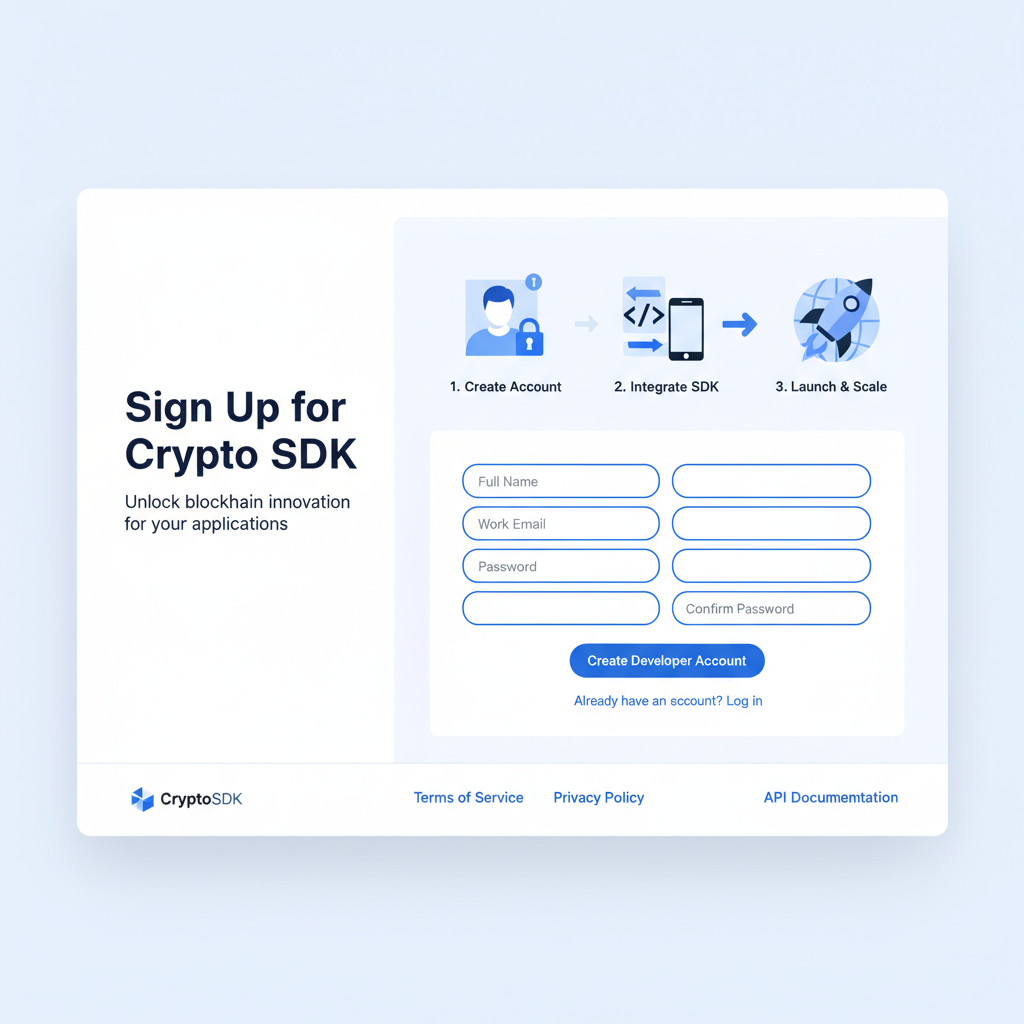
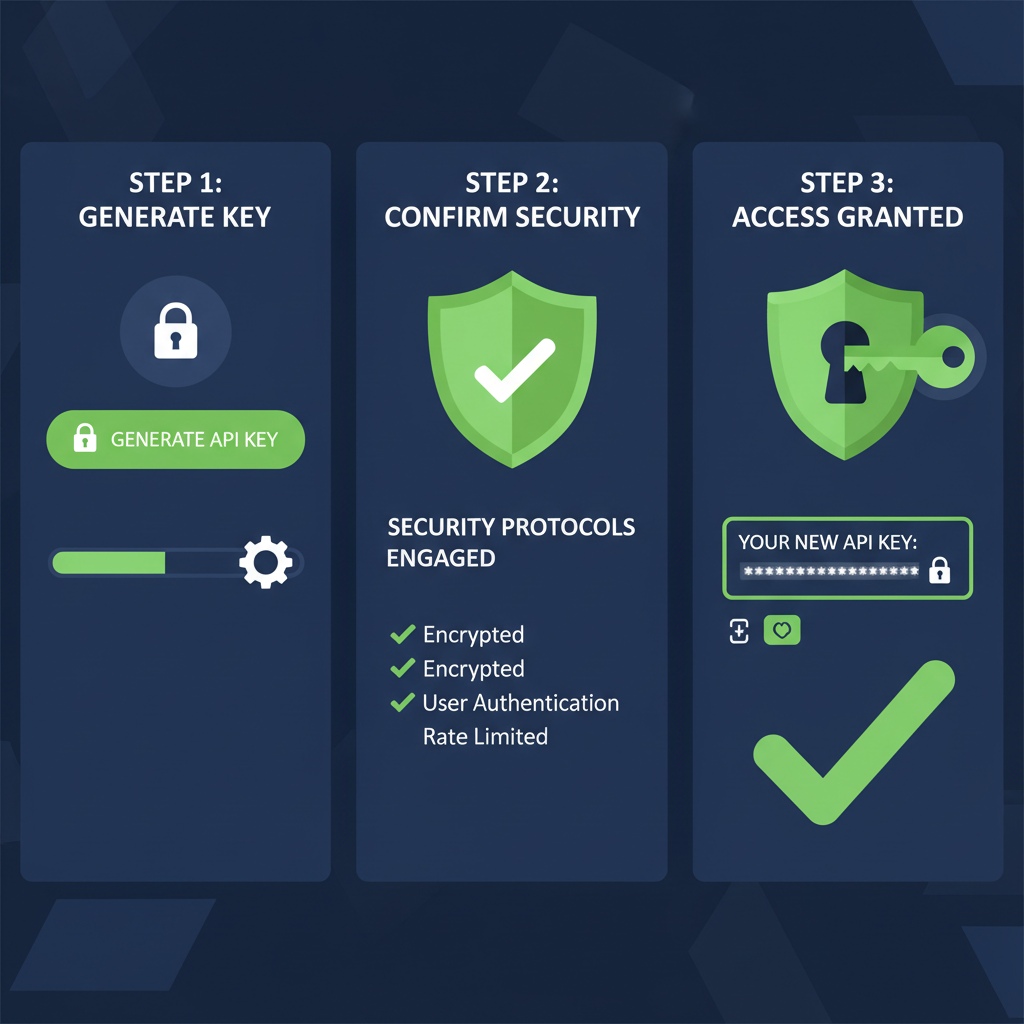
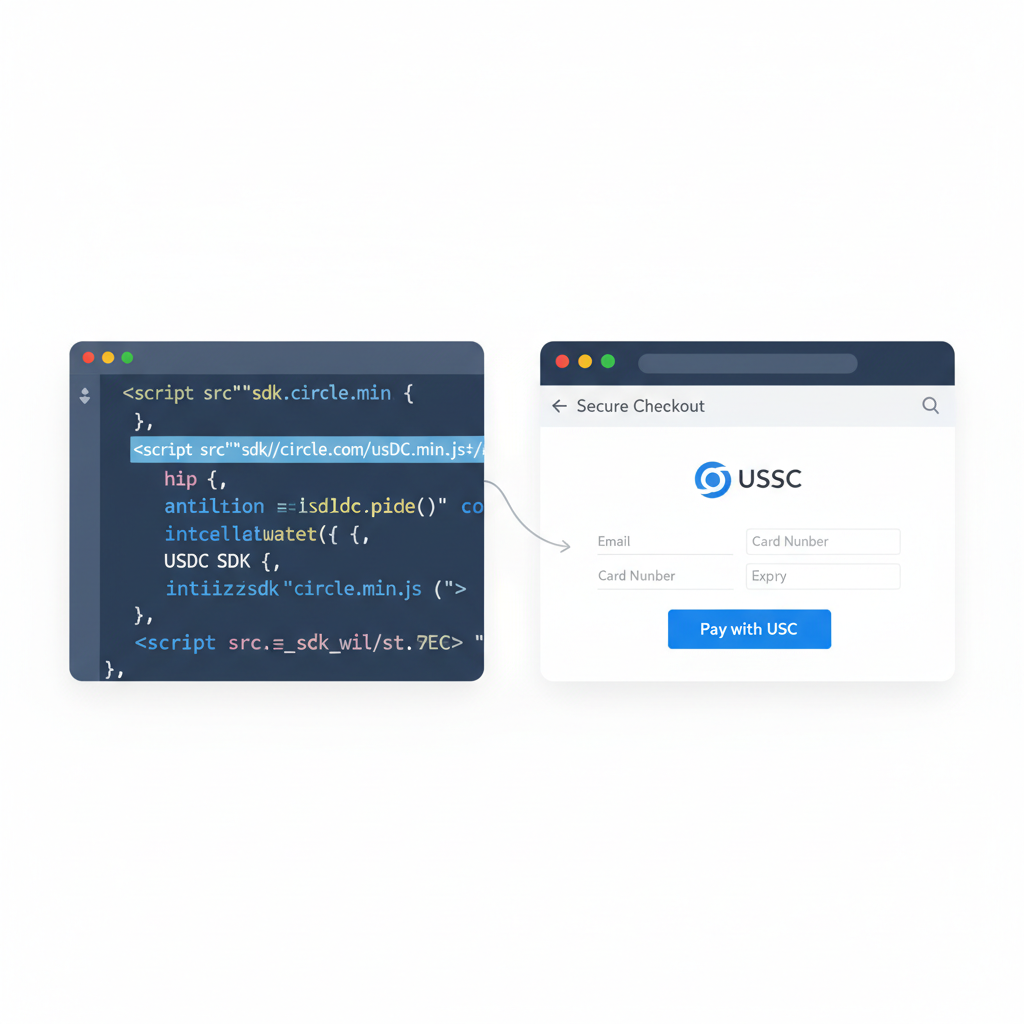
Before diving into code, assess your stack. Platforms like Shopify, WooCommerce, or custom Next. js apps all benefit, but alignment with wallet standards is key. Review API docs from OneClickStable, ensuring your backend handles webhooks for settlement confirmations. Compliance looms large too – KYC for high volumes, but one-click keeps most users friction-free. Market context reinforces timing: with Multichain Bridged USDC (Fantom) trading at $0.0307 amid minor 24-hour dips, core USDC chains remain rock-solid, underscoring stability’s appeal. Platforms ignoring this risk obsolescence as competitors capture crypto-native spenders. Fundamentally, this snippet handles SDK configuration, payment intent creation, and modal presentation for wallet approval. Always validate inputs, manage webhooks for fulfillment, and test thoroughly in sandbox mode before going live to ensure reliable conversions. Customization elevates basic setups. Tailor the UI to match your brand, setting thresholds for USDC-only carts or hybrid fiat-stablecoin options. OneClickStable's dashboard lets developers toggle chains - Ethereum for security, Solana for speed - ensuring wallet-integrated stablecoin payments adapt to user preferences. Handle edge cases like insufficient balances with fallback prompts, maintaining flow even if Multichain Bridged USDC (Fantom) hovers at $0.0307 with its 24-hour low of $0.0302. Security underpins everything. Leverage audited contracts and signature-based approvals to sidestep private key exposures. Compliance integrates natively: monitor volumes against thresholds, auto-triggering reports. This thoughtful layering means USDC payment plugin developers focus on growth, not governance. Test rigorously across browsers and wallets. Simulate high-traffic scenarios to validate sub-second approvals, confirming no bottlenecks from network congestion. Tools within OneClickStable provide sandbox environments mirroring production, complete with mock USDC transfers. Metrics to track: approval rates above 95%, abandonment drops by 25%, and settlement times under 10 seconds. Launch incrementally - A/B test against legacy checkouts. Early signals from similar integrations, like Shopify's USDC rollout, show merchant rebates fueling uptake, with users cashing in 1% back on stablecoin spends. WooCommerce shops using MetaMask add-ons echo this, expanding reach to crypto holders wary of fiat swings. Numbers tell the story. Platforms with one-click USDC see carts complete 20-35% more often, as global buyers sidestep currency conversions and FX fees. Retention climbs too: repeat USDC users, drawn by predictability, drive lifetime values 40% higher in DeFi-adjacent e-commerce. OneClickStable users report these fundamentals in action, with volatility-free transactions anchoring loyalty amid market dips - note Multichain Bridged USDC (Fantom)'s 24h change of $-0.000030 (-0.000950%), a reminder of bridged asset quirks versus core stability. Optimization loops refine further. Analytics dashboards reveal drop-off points, prompting tweaks like dynamic gas subsidies. Customer feedback loops, via post-purchase surveys, highlight wins: speed, simplicity, savings. This iterative approach cements stablecoin e-commerce integration as a revenue cornerstone. Embracing one-click USDC checkout SDKs positions e-commerce ahead of the curve. In a world where payments evolve faster than regulations, solutions like OneClickStable deliver enduring value: frictionless, scalable, and rooted in stablecoin fundamentals. Merchants who integrate now capture the tide of adoption, turning checkout into a competitive edge that endures beyond hype cycles. Essential Setup: Launch OneClickStable SDK for Seamless USDC Checkout
Advanced Configuration for Frictionless Crypto Checkout
Comparison of USDC Integration Times and Conversion Lifts: OneClickStable vs Stripe/Coinbase
Platform
Setup Time
Conversion Boost
Fees
Supported Chains
OneClickStable
<1 hour
+35%
0.25%
20+ (ETH, SOL, BASE, ARB, OP, etc.)
Stripe USDC
4-6 hours
+18%
1.4% + network fees
ETH, Polygon, Solana
Coinbase Payments
1-2 days
+22%
1%
ETH, Base, Polygon, Solana
Circle USDCKit
2-4 hours
+15%
0.5% + gas
Multi-chain via Circle (ETH, Solana, etc.)
Shopify (Stripe/Coinbase)
1 day
+20%
1-2% (varies)
ETH, Solana, Base
Quantifying the Conversion Boost