
The one-click stablecoin checkout limits to account for
The promise of one-click stablecoin checkout is compelling: consumers pay, merchants get fiat, and no chargebacks follow. But the "one-click" magic is mostly frontend theater. The actual constraint is backend settlement. When a customer approves a transaction in their wallet, the merchant still needs a reliable path to convert that stablecoin into spendable currency or hold it without taking on regulatory risk.
This is where the infrastructure gap appears. Traditional payment gateways like Checkout.com have begun enabling stablecoin acceptance for eligible enterprise merchants, but this capability is not yet universal for small businesses or standalone web3 apps. The SDK must bridge two worlds: the immediate, irreversible nature of blockchain transactions and the delayed, reversible reality of traditional banking rails.
Implementing this requires more than just a "Pay" button. You need a robust off-ramp strategy. Can you cash out stablecoins instantly? Yes, through cryptocurrency exchanges or specialized payment processors, but liquidity and fees vary wildly depending on the coin and region. A stablecoin payment method is essentially a bridge between fiat-pegged digital tokens and traditional commerce, but the bridge must be sturdy enough to handle volume spikes and regulatory scrutiny.
The constraint, therefore, is not user experience—it is operational reliability. If your SDK cannot guarantee that the stablecoin received will be converted to fiat or held securely without exposing the merchant to volatility or compliance issues, the "one-click" promise is hollow. The best SDKs solve this by integrating directly with licensed payment processors, automating the conversion process so the merchant never touches the crypto directly.
One-click stablecoin checkout choices that change the plan
Choosing a stablecoin checkout SDK requires balancing speed, cost, and user friction. While "one-click" promises simplicity, the underlying settlement path determines whether a merchant faces regulatory risk or unexpected fees. The most viable options generally fall into two categories: traditional payment processors adding crypto rails, and native crypto-native checkout providers.
Fiat-settled gateways (e.g., Checkout.com)
Providers like Checkout.com partner with custodians such as Fireblocks to let merchants accept stablecoins while settling in fiat. This approach minimizes balance sheet risk for merchants who do not want to hold crypto assets. However, these solutions often require enterprise-level integration and may have higher minimum volume thresholds. The user experience is seamless for the customer, who pays with USDC or USDT, but the merchant effectively acts as a crypto exchange without the licensing.
Native crypto checkout (e.g., Crossmint)
Platforms like Crossmint offer hosted or embedded checkouts that allow users to buy digital assets or pay with existing wallets directly. This method supports a wider range of tokens and offers greater flexibility for headless commerce architectures. The tradeoff is that the merchant may need to manage crypto settlements or use a third-party off-ramp immediately. It is ideal for Web3-native brands but adds complexity for traditional e-commerce stores.
Key evaluation factors
When comparing these options, focus on three concrete metrics. First, check the settlement currency: does the provider auto-convert to fiat, or do you hold the stablecoin? Second, evaluate gas fee absorption: who pays the blockchain transaction fees, and are they baked into the merchant fee? Third, assess compliance scope: does the provider handle KYC/AML for the end-user, or is that liability yours? The right choice depends on whether your priority is regulatory simplicity or technical flexibility.
Choose the next step
2026 guide: Implementing One-Click Stablecoin Checkout SDKs for Seamless Web3 Payments works best as a clear sequence: define the constraint, compare the realistic options, test the tradeoff, and choose the path with the fewest hidden costs. That order keeps the advice usable instead of decorative. After each step, pause long enough to check whether the recommendation still fits the reader's actual situation. If it depends on perfect timing, unusual access, or a best-case budget, include a simpler fallback.
Avoid the weak options
The easiest mistake with 2026 guide: Implementing One-Click Stablecoin Checkout SDKs for Seamless Web3 Payments is comparing options on the most visible detail while ignoring the day-to-day constraint. A choice can look strong on paper and still fail because it is too hard to maintain, too expensive to repeat, or awkward in the actual setting. Use the same checklist for every option: fit, cost, durability, timing, upkeep, and fallback plan. That keeps the comparison practical instead of drifting into preference alone.
The simplest way to use this section is to write down the real constraint first, compare each option against it, and choose the path that still works outside ideal conditions.
One-click stablecoin checkout: what to check next
What is a stablecoin payment method?
Stablecoin payments use digital tokens pegged to a fiat currency, such as the US dollar, and backed by reserves. This structure allows merchants to accept crypto at checkout without exposing customers to the volatility typical of assets like Bitcoin. The SDK handles the conversion, ensuring the transaction settles at a predictable value.
Can you cash out stablecoins?
Yes, converting stablecoins to cash is straightforward. The most common method is selling them on a cryptocurrency exchange for fiat currency, which offers reliable liquidity. Alternatively, some payment providers allow direct off-ramping to a bank account or debit card, simplifying the process for merchants who prefer traditional settlement.
Is one-click checkout secure for merchants?
Security depends on the SDK’s integration with custodial services and compliance frameworks. Leading providers partner with institutions like Fireblocks or Coinbase to manage key security and ensure eligible enterprise merchants can accept payments around the clock. Always verify that the provider supports your jurisdiction and offers robust fraud detection.
How does one-click checkout compare to traditional gateways?
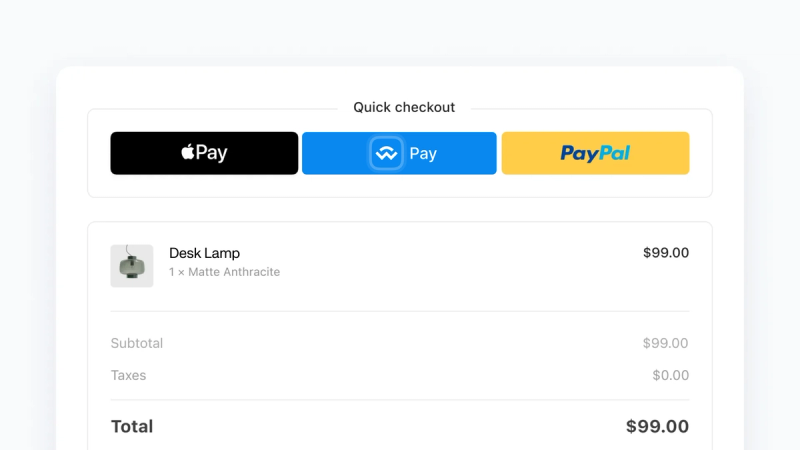
One-click checkout reduces friction by eliminating manual wallet connections and complex signing processes. While traditional gateways like Stripe or PayPal are familiar, stablecoin SDKs offer faster settlement times and lower fees for cross-border transactions. The trade-off is the need for customers to hold stablecoins, which may limit adoption in regions with low crypto penetration.
No comments yet. Be the first to share your thoughts!