
Why stablecoins dominate 2026 checkout
The friction of traditional cross-border payments is collapsing, and stablecoins are filling the void. In 2026, one-click stablecoin checkout is no longer a novelty for crypto-native brands; it is becoming infrastructure for global e-commerce. The shift is driven by two hard economic realities: speed and cost. While card networks settle funds in days and charge significant interchange fees, stablecoin transactions settle in minutes—or seconds—with fees that are a fraction of a cent.
This efficiency matters most for merchants operating across borders. Currency conversion and intermediary bank fees have long eaten into margins, particularly for small and medium-sized enterprises trying to capture international demand. Stablecoins bypass the correspondent banking chain entirely. A merchant in the US can accept payment in a dollar-pegged stablecoin from a customer in Europe, settle instantly, and avoid the FX spread and delay that define traditional wire transfers.
The market response has been swift. Major payment processors are integrating stablecoin rails directly into their existing merchant interfaces. Checkout.com, for example, recently enabled eligible enterprise merchants to accept stablecoin payments through a partnership with Coinbase, allowing businesses to capture global demand without building custom crypto infrastructure. Similarly, Checkout.com’s collaboration with Fireblocks allows US merchants to settle card takings into stablecoin wallets around the clock, bridging the gap between traditional fiat acceptance and crypto settlement.
The liquidity of major stablecoins like USDT and USDC provides the stability merchants need. Unlike volatile cryptocurrencies, stablecoins are pegged to fiat currencies, offering the speed of blockchain without the price risk. This predictability allows merchants to treat stablecoin payments almost like cash, knowing the value received at checkout will remain stable until settlement. As more processors adopt these rails, the "one-click" experience becomes indistinguishable from a standard card transaction, removing the last barrier to adoption.
For e-commerce businesses, the choice is becoming binary: maintain legacy payment rails with high costs and slow settlement, or adopt stablecoin infrastructure for faster, cheaper global reach. The technology is no longer experimental; it is operational, scalable, and increasingly standard.
How one-click stablecoin checkout works
One-click stablecoin checkout transforms the traditional payment flow by abstracting away the complexity of wallet management. Instead of navigating through multiple confirmation screens or managing private keys manually, the user experiences a transaction process that mirrors the simplicity of a credit card tap. This is achieved through Software Development Kits (SDKs) that integrate directly into the merchant’s checkout interface, handling the cryptographic heavy lifting in the background.
The technology relies on embedded or custodial wallet solutions. When a customer initiates a purchase, the SDK automatically selects the appropriate stablecoin from their connected balances. It then composes and signs the transaction across the necessary blockchain networks without requiring the user to manually approve each step. For instance, Eco’s Accounts SDK allows applications to pull from a user’s stablecoin balances across all connected wallets, composing cross-chain actions into a single, seamless operation.
This abstraction is critical for mass adoption. By removing the friction of gas fees, network selection, and address verification, merchants can accept crypto payments with the same ease as fiat. The result is a checkout experience where the user never sees a wallet interface, yet the settlement occurs on-chain, providing the finality and transparency that blockchain offers.
Top stablecoin payment SDKs for 2026
The infrastructure layer for crypto commerce is consolidating. In 2026, merchants no longer need to manage private keys or navigate complex blockchain bridges manually. Instead, they rely on specialized SDKs and gateways that abstract the volatility and settlement risks into standard fiat equivalents. Choosing the right provider determines whether stablecoin acceptance becomes a frictionless revenue stream or a compliance nightmare.
The following comparison evaluates four leading solutions based on settlement speed, chain support, fiat off-ramp capabilities, and merchant eligibility. These metrics reflect the current operational reality for enterprise and mid-market e-commerce integrations.
| Provider | Settlement | Supported Chains | Fiat Off-Ramp | Merchant Eligibility |
|---|---|---|---|---|
| Checkout.com | Near-instant (via Coinbase) | USDC (ETH, SOL, Base) | Auto-convert to fiat | Enterprise only |
| TransFi | Real-time | Multi-chain (15+) | Direct to bank account | Mid-market & Enterprise |
| BVNK | Instant (LST protocol) | Multi-chain (5+) | Auto-convert to fiat | Open API access |
| Crossmint | Real-time | Multi-chain | N/A (Crypto focus) | Web3 native brands |
Checkout.com has moved aggressively into the stablecoin space through its partnership with Coinbase. This integration allows eligible enterprise merchants to accept USDC across major networks like Ethereum, Solana, and Base. The primary advantage is the seamless auto-conversion to fiat, which eliminates balance sheet risk for traditional retailers. However, access is restricted to their existing enterprise network, limiting availability for smaller businesses.
TransFi offers a more flexible approach for mid-market e-commerce stores. Their SDK supports one-click integrations and utilizes AI-powered smart routing to select the most efficient blockchain path for each transaction. Unlike Checkout.com, TransFi provides direct off-ramp options to traditional bank accounts, making it a viable bridge for merchants who want to retain crypto exposure but need fiat liquidity for operations.
BVNK distinguishes itself with its Layered Stable Token (LST) protocol. This infrastructure allows for instant settlement across multiple chains while automatically converting funds to the merchant’s preferred fiat currency. The open API model makes it accessible to developers who want to build custom checkout experiences without the strict enterprise gating seen in other solutions.
Crossmint takes a different approach by focusing on digital asset checkout rather than pure fiat conversion. Their API allows users to buy digital assets with credit cards, removing the need for a crypto wallet entirely. This is particularly effective for Web3-native brands and gaming platforms where the end goal is asset ownership rather than traditional e-commerce sales. However, it lacks the built-in fiat off-ramp features that traditional retailers require.
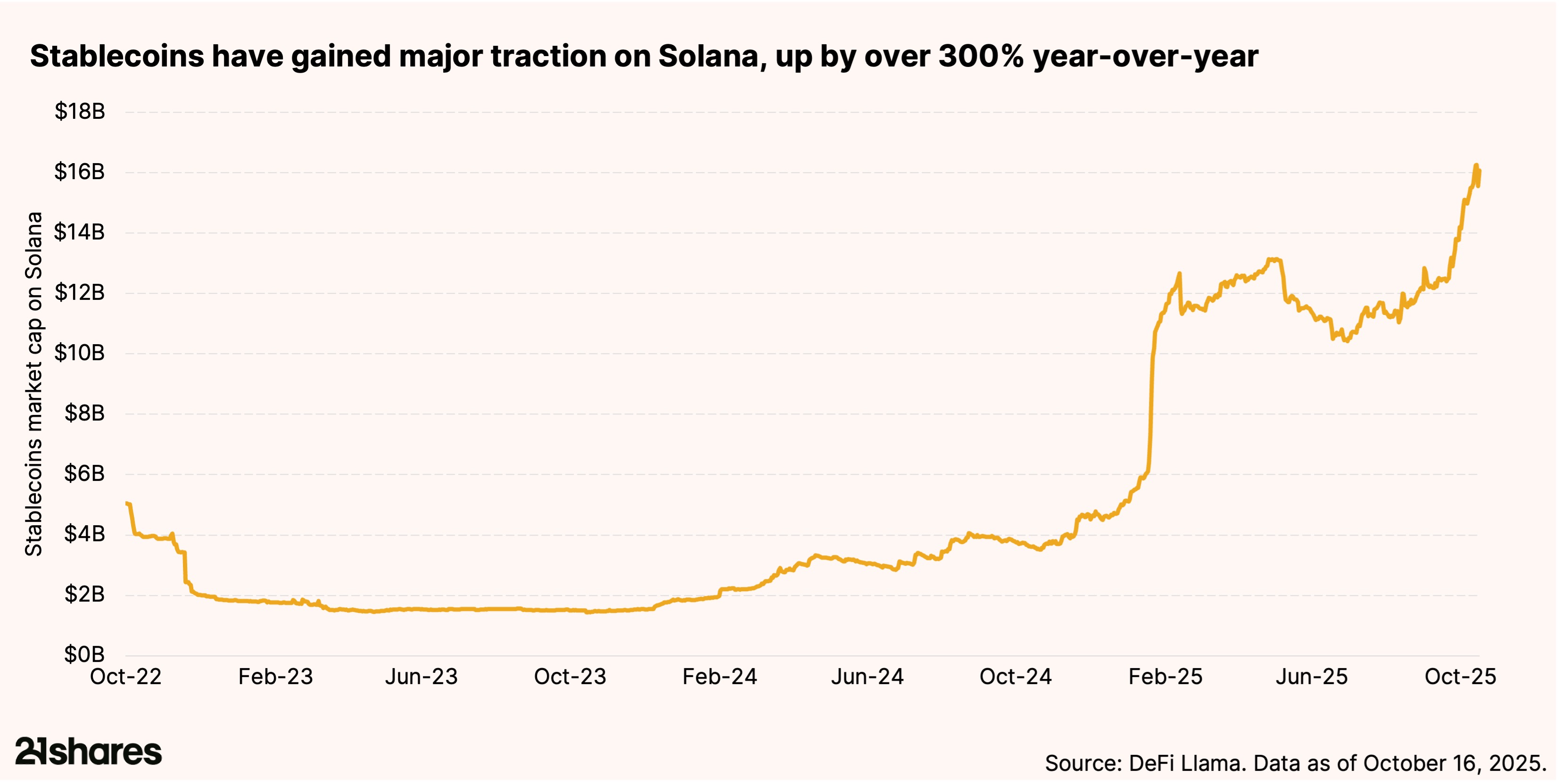
The choice of SDK depends on your merchant profile. Enterprise retailers with high transaction volumes should prioritize Checkout.com or TransFi for their robust fiat off-ramps and compliance frameworks. Web3-native businesses or brands targeting crypto-savvy consumers may find Crossmint’s wallet-less onboarding more effective for conversion. For developers seeking maximum flexibility, BVNK’s open protocol provides the necessary tools to build a custom stablecoin infrastructure.
Integrating Stablecoin Checkout APIs
Adding stablecoin payments to an existing e-commerce stack requires bridging traditional order management with blockchain settlement. The goal is to reduce friction for the merchant while ensuring the transaction settles on-chain without exposing the business to volatility. Developers typically choose between hosted checkout solutions, which handle the complex wallet interactions, and headless APIs that offer deeper customization.
Hosted and Embedded Solutions
For merchants prioritizing speed over granular control, hosted checkout interfaces are the standard entry point. Providers like Crossmint offer APIs that embed a secure payment window directly into the checkout flow. This approach abstracts away the need for customers to manage private keys or navigate complex wallet interfaces. The merchant receives a confirmation webhook once the transaction is verified, allowing the order to proceed just as it would with a credit card authorization.
Headless API Integration
Headless integrations provide the flexibility needed for complex enterprise environments. These APIs allow developers to build custom payment experiences that match the brand’s specific UI/UX requirements. TransFi and similar providers offer smart routing capabilities that can automatically select the most efficient blockchain network for the transaction, reducing gas fees and settlement times. This level of control is essential for high-volume stores that need to optimize for cost and speed.
Settlement and Reconciliation
The critical step in integration is handling the settlement. Unlike traditional payment gateways that hold funds in escrow, stablecoin transactions settle directly on the blockchain. Merchants must decide whether to hold the stablecoins as assets or use an automated off-ramp service to convert them to fiat currency immediately. This decision impacts cash flow and accounting. Integration with accounting software via API webhooks ensures that every on-chain event is accurately reflected in the financial ledger, maintaining compliance and clarity.
| Feature | Hosted Checkout | Headless API |
|---|---|---|
| Setup Time | Days | Weeks |
| Customization | Low | High |
| Wallet Management | Provider Handles | Merchant Builds |
Frequently asked questions about stablecoin checkout
Can you cash out stablecoins? Converting stablecoins back to fiat currency is a standard process, primarily handled through cryptocurrency exchanges. Users sell their stablecoins for fiat, which can then be withdrawn to bank accounts. This off-ramp process is generally reliable, though liquidity and fees vary by provider. For real-time market context on the underlying assets, see the USDT/USD chart.
Is stablecoin checkout faster than credit cards? Settlements are near-instant. Unlike traditional card networks that may take days to clear, stablecoin transactions settle on-chain in minutes or seconds. This speed reduces chargeback risk for merchants and provides immediate confirmation for buyers.
Are stablecoin transactions reversible? No. Blockchain transactions are immutable. Once a payment is confirmed, it cannot be reversed by the merchant or the network. This places the burden of verification on the buyer before signing the transaction, eliminating the fraud risk associated with stolen credit cards but removing the safety net of chargebacks.
No comments yet. Be the first to share your thoughts!