
Why merchants choose stablecoin checkout
Stablecoins are cryptocurrencies pegged to stable assets like the US dollar, offering the speed of blockchain without the extreme volatility of Bitcoin or Ethereum. For merchants, this stability removes the risk of value fluctuation between the moment a customer initiates payment and the moment funds settle. When paired with a one-click stablecoin checkout SDK, the process becomes as simple as confirming a transaction in a digital wallet, eliminating the need for manual address entry or complex signing steps.
The business case for this technology rests on three concrete advantages: speed, cost, and security. Traditional credit card networks often take days to settle funds and charge fees ranging from 1.5% to 3.5% per transaction. In contrast, stablecoin payments via providers like Polygon Pay settle in approximately five seconds with fees measured in pennies. This efficiency is particularly valuable for high-volume, low-margin businesses or cross-border transactions where traditional banking rails are slow and expensive.
"One-click" in this context refers to the integration of the checkout SDK directly into the merchant’s existing payment flow. Instead of redirecting users to an external exchange or requiring them to navigate complex wallet interfaces, the SDK handles the wallet connection and transaction signing seamlessly. Platforms like TransFi and Checkout.com enable this integration, allowing merchants to accept USDC or other stablecoins with the same frictionless experience as Apple Pay or Google Pay, but with the underlying benefits of blockchain settlement.
By adopting these SDKs, merchants can expand their customer base to include global crypto-native users while reducing operational overhead. The combination of instant settlement, near-zero fees, and fraud protection makes stablecoin checkout a compelling alternative to traditional payment processors, especially for businesses operating in high-risk or international markets.
Top stablecoin payment gateways compared
Selecting the right one-click stablecoin checkout SDK depends on your specific infrastructure and settlement needs. The market has shifted from experimental crypto integrations to robust, enterprise-grade solutions that mirror traditional payment experiences. Below is a comparison of the leading providers currently shaping the landscape for 2026.
The following table outlines the core capabilities of Polygon Pay, TransFi, and Checkout.com. These providers represent different approaches to stablecoin acceptance, ranging from native chain integration to traditional gateway expansion.
| Provider | Supported Stablecoins | Settlement Speed | Integration Complexity |
|---|---|---|---|
| Polygon Pay | USDC, USDT | ~5 seconds | Low (Native SDK) |
| TransFi | USDC, USDT, DAI, BTC | Near-instant | Medium (Smart Routing) |
| Checkout.com | USDC | Standard Gateway | High (Enterprise API) |
Polygon Pay leverages the Polygon network to offer some of the fastest settlement times available, processing transactions in approximately five seconds with minimal fees. This makes it an ideal candidate for high-volume, low-margin e-commerce stores that require immediate liquidity confirmation. Their integration is designed to be lightweight, allowing developers to drop the SDK into existing stacks with minimal friction.
TransFi takes a different approach by utilizing AI-powered smart routing. Instead of locking merchants into a single chain, TransFi can route payments across multiple networks to find the most efficient path for the specific stablecoin being used. This flexibility is valuable for global merchants who need to support a wider variety of digital assets, including Bitcoin, while still offering a one-click experience for stablecoin users.
Checkout.com represents the traditional fintech giant entering the crypto space. By partnering with security firm Fireblocks, they allow merchants to settle payments in USDC while maintaining the familiar interface and compliance tools they already use for fiat transactions. This option is best suited for established enterprises that prioritize regulatory compliance and existing vendor relationships over the absolute lowest fees or fastest blockchain speeds.
Polygon Pay for low-fee global transactions
Polygon Pay is the go-to solution for merchants who need to accept stablecoins without sacrificing speed or margin. By processing payments on the Polygon network, the SDK bypasses the congestion and high gas fees often associated with Ethereum mainnet. The result is a checkout experience that settles in approximately five seconds while keeping transaction costs down to pennies. This efficiency makes it particularly effective for high-volume, low-ticket transactions where traditional credit card processing fees would otherwise erode profit margins.
The integration supports one-click stablecoin checkout, allowing customers to complete purchases without navigating complex wallet connections or waiting for blockchain confirmations. For global merchants, this means reaching customers in regions with limited banking infrastructure while maintaining the stability of USDT or USDC. The system handles the conversion and settlement logic, ensuring that funds arrive in your preferred currency or stablecoin asset rapidly.
Source: Transfi Blog
When evaluating payment gateways, the combination of instant finality and negligible fees positions Polygon Pay as a strong contender for cost-conscious businesses. It eliminates the 30-day holding periods common with some crypto processors and reduces the chargeback risk inherent in traditional card networks. If your primary goal is to minimize friction and cost for global stablecoin payments, this infrastructure provides the necessary reliability.


As an Amazon Associate, we may earn from qualifying purchases.
TransFi for multi-chain smart routing
TransFi positions itself as a comprehensive infrastructure layer for merchants seeking to accept stablecoins without managing complex backend logic. Its core value proposition rests on AI-powered smart routing, a mechanism designed to automatically select the most efficient blockchain network for each transaction. This approach ensures that merchants can accept payments across diverse ecosystems—such as Ethereum, Polygon, or Solana—while optimizing for speed and minimizing gas fees.
For high-volume e-commerce operations, this flexibility is critical. Unlike static payment gateways that lock merchants into a single chain, TransFi’s routing engine adapts to real-time network conditions. This reduces the risk of failed transactions due to congestion and allows businesses to cater to a global customer base that may prefer different stablecoins or networks based on regional liquidity and user preference.
The integration process is streamlined for developers, offering one-click SDKs that abstract away the complexity of blockchain interactions. By handling the nuances of multi-chain settlements, TransFi allows merchants to focus on their core business rather than cryptocurrency infrastructure. This aligns with the broader trend of making crypto payments as seamless as traditional credit card processing, bridging the gap between digital asset innovation and retail commerce.
Legacy giants and Coinbase enter the stablecoin space
For enterprises managing high transaction volumes, trust and compliance are non-negotiable. Two heavyweights have recently positioned themselves to handle stablecoin settlements with the same rigor as traditional fiat rails.
Checkout.com partnered with Fireblocks to enable USDC settlement, allowing merchants to accept stablecoins while settling in fiat. This approach bridges the gap between crypto volatility and corporate balance sheets, leveraging Fireblocks’ institutional-grade custody infrastructure to mitigate risk. By integrating this capability, Checkout.com extends its existing enterprise payment network into the digital asset space without requiring merchants to manage separate crypto wallets.
Coinbase launched its Stablecoin Payments service specifically for e-commerce, aiming to make stablecoins a primary payment method rather than a niche alternative. The platform is designed to streamline online transactions, reducing friction for both merchants and consumers. For large-scale operations, Coinbase’s entry signals a shift toward treating stablecoins as a standard settlement layer, backed by a publicly traded company’s compliance framework.
These solutions cater to merchants who need institutional reliability. They offer a path to accept stablecoins without sacrificing the security and auditability required by enterprise finance teams.
How to integrate one-click stablecoin payments
Integrating a one-click checkout SDK shifts the developer’s focus from building complex wallet flows to managing API keys and webhook events. Providers like Polygon Pay, TransFi, and Checkout.com handle the underlying blockchain interactions, allowing you to embed a payment button that triggers a single signature from the user’s wallet.

Begin by choosing a provider that supports the specific stablecoins and networks your customers use. Polygon Pay, for instance, excels on Polygon for low-fee transactions, while TransFi offers broader cross-chain compatibility. Define your supported currencies (USDC, USDT, DAI) early to ensure the SDK configuration matches your treasury requirements.

Register for a merchant account to receive your API credentials. Most providers offer a sandbox environment where you can simulate transactions without moving real funds. Configure your webhook endpoints here to receive asynchronous confirmation events, ensuring your backend can track payment status before fulfilling orders.

Embed the provider’s SDK into your frontend checkout page. Instead of a traditional form, the user clicks a single button that triggers their wallet (like MetaMask or WalletConnect) to sign a pre-approved transaction. This step replaces the multi-step approval process with a single, frictionless interaction, significantly reducing cart abandonment.
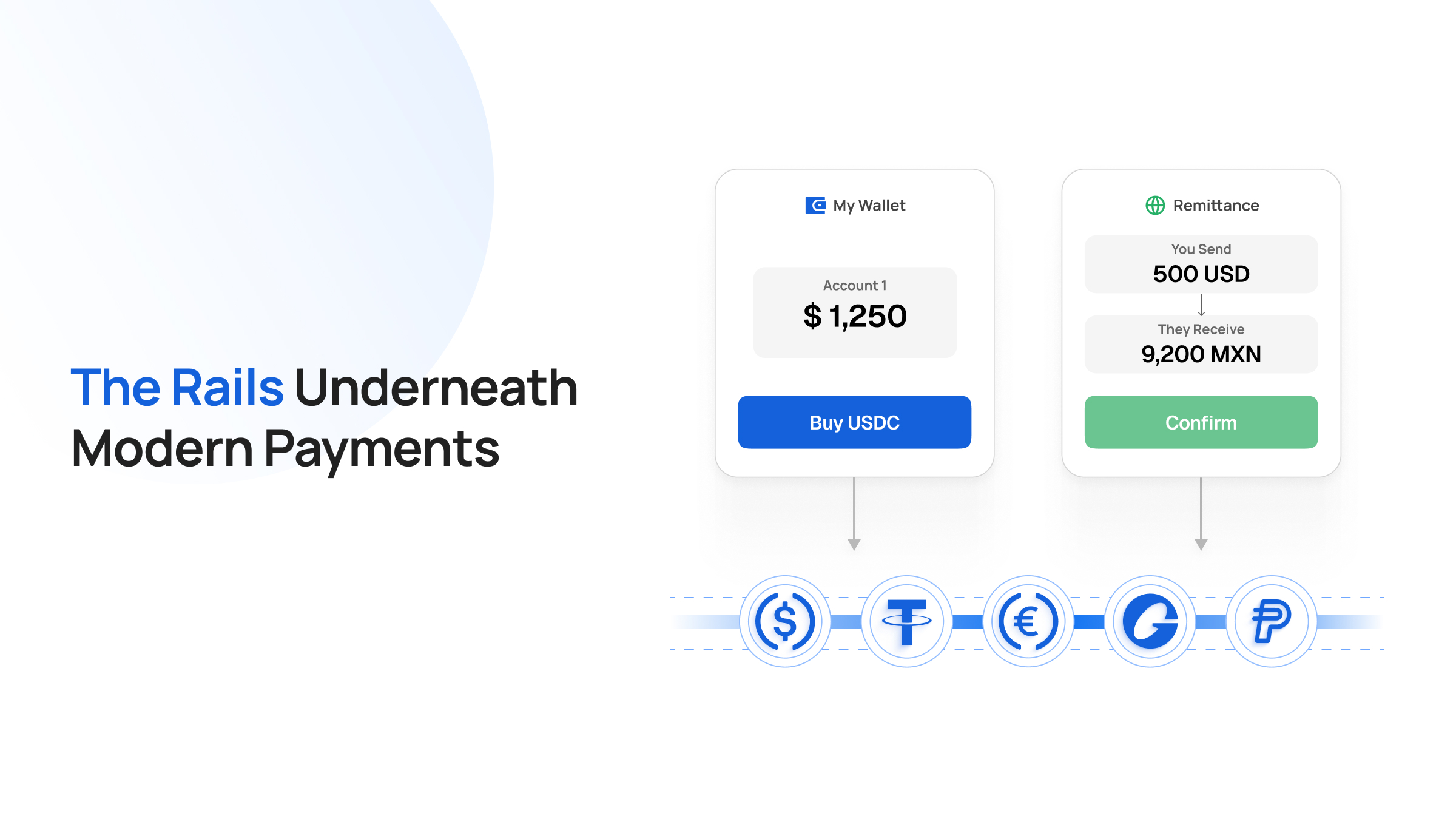
Run test transactions through the sandbox to verify that webhooks correctly update your order status. Once confirmed, switch your API keys to production mode. Monitor the first few live transactions closely to ensure that gas fees are covered and that the settlement time meets your business expectations.
The integration process is largely abstracted by these SDKs, but the security model remains critical. Always validate webhook signatures on your server to prevent fraudulent order updates, and ensure your API keys are stored securely in environment variables, never in client-side code.
Frequently asked questions about stablecoin checkout
How do I pay with stablecoin?
To begin making payments with stablecoins, you first need a digital wallet that supports the specific token you intend to use. Once funded, you can use a dedicated checkout SDK—such as Polygon Pay or TransFi—to generate a payment request. This method allows customers to approve transactions directly from their wallets, bypassing traditional card networks and reducing friction at the point of sale.
How to cash out stablecoin?
The most reliable way to convert stablecoins back to fiat currency is through cryptocurrency exchanges or regulated off-ramp services. These platforms allow you to sell your stablecoins for USD, EUR, or other local currencies, which can then be transferred to your bank account. This process ensures liquidity and simplifies the transition from crypto assets to traditional banking for both merchants and consumers.
What is secure one-click checkout?
One-click checkout streamlines the purchasing process by securely storing a customer’s payment credentials during their first transaction. When integrated with stablecoin infrastructure, this feature allows returning users to complete subsequent purchases with a single approval. This reduces cart abandonment by eliminating the need to repeatedly enter wallet addresses or sign multiple transactions.
What are the biggest stablecoins?
While market capitalization fluctuates, the most widely adopted stablecoins include USDT (Tether), USDC (USD Coin), and DAI. These assets maintain a peg to the US dollar, providing the price stability required for everyday commerce. Merchants typically prefer USDC and USDT due to their high liquidity and widespread acceptance across payment gateways like Checkout.com.
No comments yet. Be the first to share your thoughts!