
Why merchants are switching to stablecoins
The economic pressure on e-commerce margins is forcing a shift in how payments are processed. Traditional card networks charge an average of 1.5% to 3.5% per transaction, a cost that eats directly into profit, especially for high-volume or low-margin goods. Stablecoins offer a structural alternative by bypassing these intermediaries entirely. By settling on-chain, merchants can reduce transaction fees to fractions of a cent, turning what was previously a cost center into a net-positive efficiency gain.
Speed is the second driver. Standard bank settlements often take one to three business days to clear, tying up working capital. Stablecoin settlements on networks like Polygon confirm in roughly five seconds, providing immediate liquidity. This instant finality allows merchants to restock faster and reduces the administrative burden of reconciliation. The combination of near-zero fees and instant settlement creates a compelling value proposition for businesses looking to optimize cash flow.
Stability is maintained because these tokens are pegged to fiat currencies like the US dollar, mitigating the volatility risk associated with other cryptocurrencies. This peg ensures that the value received at checkout matches the value settled in the merchant’s wallet, removing the need for complex hedging strategies. The result is a payment rail that behaves like traditional fiat but operates with the speed and low cost of digital assets.
The chart above illustrates the stability of USDC against the US dollar, showing how the peg holds firm even during broader market fluctuations. This predictability is essential for merchants who need to forecast revenue without worrying about sudden currency devaluation.
Top stablecoin payment SDKs for 2026
Selecting the right infrastructure provider determines how smoothly your checkout handles volatility, settlement speed, and cross-border reach. The following SDKs and gateways dominate the 2026 landscape, each offering distinct advantages for merchants prioritizing stability and speed.
TransFi
TransFi focuses on e-commerce specific needs with one-click integrations and AI-powered smart routing. This approach ensures that transactions are routed through the most efficient paths for multi-currency support, reducing friction for international shoppers. Their solution is designed to handle the complexity of crypto payments while maintaining a familiar user experience. Learn more about TransFi's e-commerce integration.
Polygon Pay
Polygon Pay leverages the Polygon network to offer near-instant settlement and minimal fees. Merchants can accept stablecoins with transaction times of approximately five seconds, significantly faster than traditional credit card authorizations. The low cost structure makes it ideal for high-volume, low-margin goods where every cent in processing fees impacts the bottom line. Explore Polygon Pay's checkout solution.
Checkout.com
Checkout.com brings enterprise-grade reliability to stablecoin payments through its partnership with Fireblocks. By settling payments in USDC, it bridges the gap between traditional finance and crypto, offering merchants the security of a major payment processor. This option is particularly strong for established brands that require robust compliance tools and seamless fiat off-ramping. Read about Checkout.com's stablecoin features.
Coinbase Commerce
Coinbase Commerce provides a straightforward entry point for merchants looking to accept a wide range of digital assets. Its platform is designed to simplify the onboarding process, allowing stores to integrate stablecoin payments with minimal technical overhead. While it supports multiple cryptocurrencies, its stablecoin handling is optimized for e-commerce transactions, ensuring quick conversion and settlement. Check out Coinbase's stablecoin payments.
Comparison of SDK Features
| Provider | Settlement | Primary Chains | Best For |
|---|---|---|---|
| TransFi | Smart Routed | Multi-chain | AI Routing & Multi-currency |
| Polygon Pay | ~5 Seconds | Polygon | Low Fees & Speed |
| Checkout.com | USDC | Multi-chain | Enterprise & Compliance |
| Coinbase Commerce | Variable | Multi-chain | Ease of Integration |
Integration Checklist
-
Verify supported stablecoins (USDC, USDT, DAI)
-
Check settlement times against your business model
-
Evaluate fee structures for cross-border transactions
-
Review compliance and KYC requirements
-
Test sandbox environment for API integration
Integrating one-click checkout flows
One-click checkout lets shoppers complete a purchase with a single action, removing the friction of re-entering payment details. For stablecoin payments, this means wrapping the transaction in a secure, tokenized flow that feels as instant as a credit card tap but settles on-chain.
The goal is to balance speed with the security requirements of Web3. Shoppers expect to confirm a payment without navigating multiple screens or waiting for manual address verification. Merchants need a backend that handles tokenization, smart contract interactions, and fiat off-ramps automatically.
1. Tokenize the wallet connection
The first step is replacing raw wallet addresses with secure tokens. When a user connects their wallet for the first time, your system generates a unique token that represents their approval for future transactions. This token is stored securely, allowing subsequent checkouts to trigger a pre-signed transaction rather than asking the user to approve every single payment manually.
2. Pre-fill shipping and billing data
Speed requires context. Store the customer’s shipping address and billing information linked to their wallet token. When they initiate checkout, the system retrieves this data instantly. For Web3, this also includes selecting the preferred stablecoin (e.g., USDC, USDT) and network, ensuring the transaction is ready to broadcast the moment the user confirms.
3. Execute the smart contract transaction
The core of the one-click experience is the automated execution. When the user clicks "Buy," the frontend triggers a smart contract function that transfers the stablecoin from the user’s wallet to the merchant’s address. This process uses the previously generated token to bypass standard approval steps, reducing the time from click to confirmation to seconds.
4. Handle confirmation and off-ramping
Once the blockchain confirms the transaction, the system updates the order status immediately. For merchants who prefer fiat, an integrated off-ramp service can automatically convert the stablecoin to USD or EUR. This step ensures the merchant receives usable currency while the customer experiences a seamless, crypto-native checkout.
Replace raw wallet addresses with secure tokens. When a user connects their wallet for the first time, your system generates a unique token that represents their approval for future transactions. This token is stored securely, allowing subsequent checkouts to trigger a pre-signed transaction rather than asking the user to approve every single payment manually.
Speed requires context. Store the customer’s shipping address and billing information linked to their wallet token. When they initiate checkout, the system retrieves this data instantly. For Web3, this also includes selecting the preferred stablecoin (e.g., USDC, USDT) and network, ensuring the transaction is ready to broadcast the moment the user confirms.
The core of the one-click experience is the automated execution. When the user clicks "Buy," the frontend triggers a smart contract function that transfers the stablecoin from the user’s wallet to the merchant’s address. This process uses the previously generated token to bypass standard approval steps, reducing the time from click to confirmation to seconds.
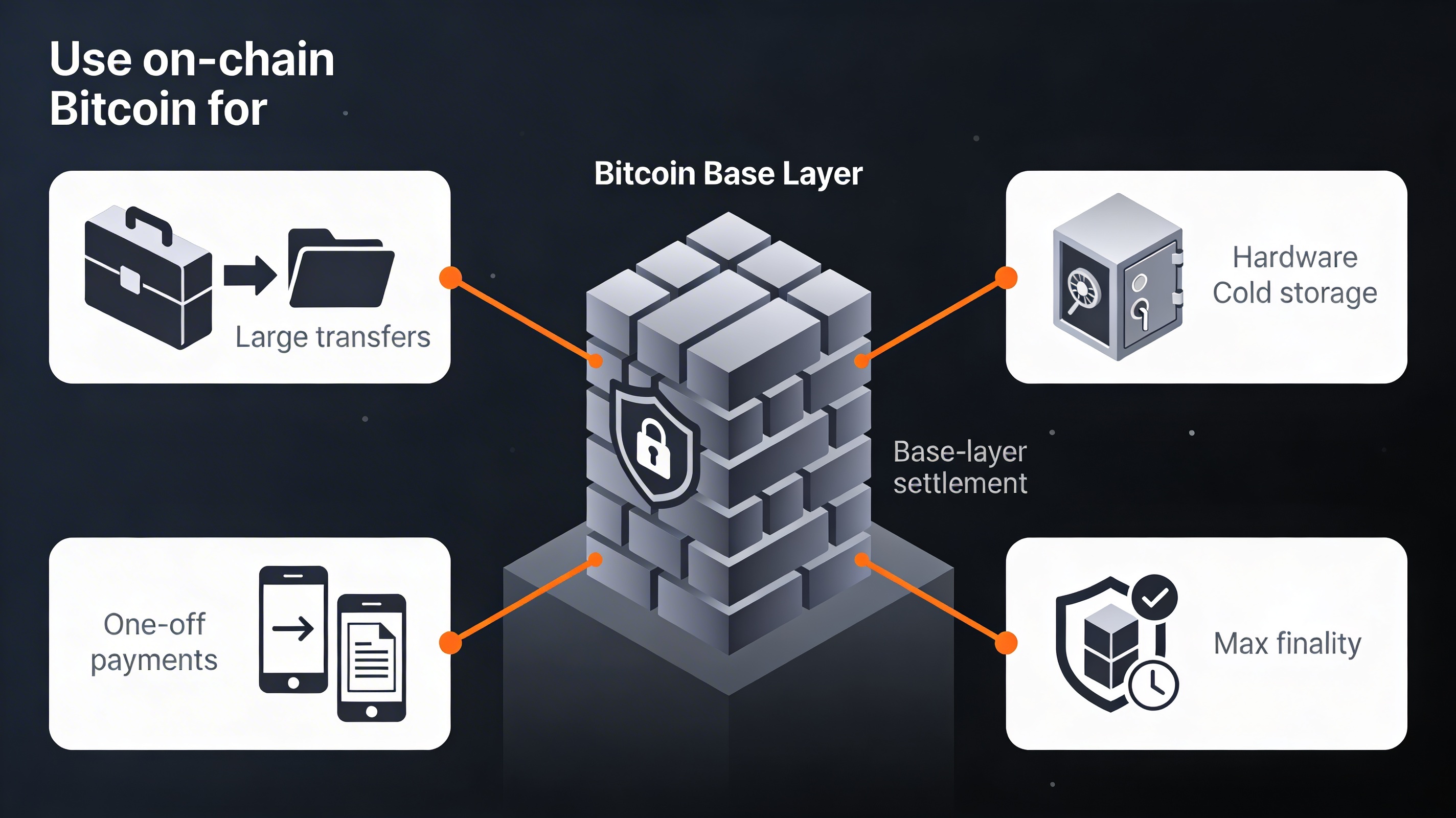
Once the blockchain confirms the transaction, the system updates the order status immediately. For merchants who prefer fiat, an integrated off-ramp service can automatically convert the stablecoin to USD or EUR. This step ensures the merchant receives usable currency while the customer experiences a seamless, crypto-native checkout.
Fixing trust gaps before launch
Before swapping out your payment processor, you need to address the non-technical barriers that stop customers from clicking "buy." Stablecoin adoption isn't just about faster settlement; it's about convincing shoppers that their money is safe and their purchases are protected.
Clear refund and dispute policies
Crypto transactions are irreversible by design. This feature is a double-edged sword: it prevents fraud for merchants but terrifies consumers who fear losing their money to a mistake or a scam. You must establish a clear, human-readable refund policy that outlines how disputes are handled. Without a safety net, customers will hesitate to use a new payment method, regardless of the discount offered.
Compliance and regulatory alignment
Operating a stablecoin checkout requires navigating a complex web of financial regulations. You need to ensure your platform complies with anti-money laundering (AML) and know-your-customer (KYC) laws in your jurisdiction. Ignoring these requirements doesn't just risk fines; it destroys the trust you're trying to build. Customers need to know their data is handled securely and that your business is operating within legal boundaries.
Customer security and support
Security concerns extend beyond the payment gateway. Shoppers need reassurance that their sensitive information is protected through measures like tokenization, which replaces payment details with unique, useless tokens if breached. Equally important is your support infrastructure. If a transaction fails or a customer is confused, they need immediate, human assistance. A robust support system bridges the gap between technical complexity and user confidence.
Common questions about stablecoin checkout
Stablecoin checkout is becoming a standard feature in modern e-commerce, but it introduces new questions for both merchants and shoppers. Below are answers to the most frequent queries regarding safety, functionality, and liquidity.
While the technology is mature, adoption requires careful attention to regulatory compliance and user education. Merchants should ensure their providers use official, primary sources for security protocols to maintain customer trust.
No comments yet. Be the first to share your thoughts!