
Why stablecoin checkout matters now
Traditional card networks are built for a world that no longer exists. While they remain reliable for consumer-facing transactions, their backend settlement layers are slow and expensive. Merchants using stablecoin checkout SDKs bypass this friction entirely. Instead of waiting three to five business days for funds to clear, stablecoin rails settle in minutes, often for a fraction of the cost of a standard credit card swipe.
This speed isn't just a convenience; it is a direct impact on cash flow. For high-volume merchants, tying up capital in pending transactions for days creates a significant drag on liquidity. Stablecoins offer immediate finality. The funds hit the merchant's wallet the moment the transaction confirms, allowing for instant reinvestment or payroll processing. This shift from deferred settlement to instant settlement is the primary driver for adoption in 2026.
The cost advantage is equally compelling. Credit card interchange fees typically range from 1.5% to 3.5%, a significant margin for thin-retail sectors. Stablecoin transaction fees, particularly on layer-2 networks, are often less than one cent per transaction. This structure allows merchants to retain more revenue per sale or pass savings to customers without sacrificing margin. The technology removes the middleman's take, leaving more capital in the business.
Stability is the final piece of the puzzle. Unlike volatile cryptocurrencies, stablecoins are pegged to fiat currencies like the US dollar, eliminating exchange rate risk for merchants who want to accept crypto without hedging. This stability, combined with the speed and low cost, makes stablecoin checkout a logical evolution for e-commerce infrastructure.
Chart showing USDC maintaining its peg to the US dollar, demonstrating the stability required for reliable merchant settlement.
How a one-click stablecoin checkout SDK works
A stablecoin checkout SDK functions as an abstraction layer between your e-commerce platform and the underlying blockchain. Instead of forcing your team to manage private keys, handle gas fees, or write complex smart contract logic, the SDK acts as a translator. It converts simple web events—like a "Pay Now" click—into signed blockchain transactions that merchants and customers can trust.
The user experience: Wallet connect and sign
The "one-click" label refers strictly to the customer's interface, not the backend complexity. When a shopper chooses to pay with crypto, the SDK prompts them to connect their wallet (such as MetaMask or Coinbase Wallet) and approve the transaction. This process typically takes seconds. The user sees a familiar signature request, confirms the amount, and the payment is initiated. This mirrors the frictionless experience of Apple Pay or PayPal, removing the fear of manual crypto transfers.
The backend: Abstraction and settlement
Behind the scenes, the SDK manages the technical heavy lifting. It detects the user's preferred network (like Ethereum, Polygon, or Solana) and ensures the transaction is valid. It handles the complex interactions with the blockchain, including gas estimation and fee payment (which can sometimes be sponsored by the merchant). Once the blockchain confirms the transaction, the SDK notifies your order management system that the payment is complete.
This abstraction is critical for merchants. It allows you to accept stablecoins without becoming blockchain experts. You can focus on your core business—selling products—while the SDK ensures that the crypto settles into your wallet or is instantly converted to fiat if you prefer that route. The result is a secure, fast, and compliant payment flow that leverages the efficiency of blockchain technology without the typical headaches.
Top stablecoin checkout SDKs compared
Choosing the right stablecoin checkout SDK depends on your existing infrastructure and target audience. The market has shifted from experimental integrations to enterprise-grade reliability, meaning merchants need solutions that handle chain abstraction, compliance, and user experience without requiring deep blockchain expertise.
We compare four leading providers: Eco, Circle CCTP, WalletConnect, and Crossmint. Each serves a different developer profile, from legacy e-commerce platforms seeking plug-and-play stability to Web3-native apps requiring wallet abstraction.
| Provider | Supported Chains | Settlement | Best For |
|---|---|---|---|
| Eco | Multi-chain (EVM, Solana, etc.) | Native stablecoins | Unified checkout across fragmented chains |
| Circle CCTP | Ethereum, Polygon, Arbitrum, Optimism, Base, BNB Chain | USDC (native bridging) | Merchants prioritizing USDC security and compliance |
| WalletConnect | Multi-chain via WalletConnect Pay | Native wallet balances | Web3 apps needing wallet abstraction and social login |
| Crossmint | Multi-chain (EVM, Solana, Polygon, etc.) | Native stablecoins + fiat on-ramp | Enterprises needing all-in-one fintech infrastructure |
Eco
Eco positions itself as a universal checkout layer, allowing merchants to accept payments across dozens of blockchains without managing individual integrations. Their SDK handles the complexity of chain selection, gas sponsorship, and transaction finality, presenting a simple API to the frontend.
This approach is ideal for merchants who want to minimize friction for users who may hold stablecoins on different networks. By abstracting the underlying blockchain, Eco reduces the cognitive load on the customer, making crypto payments feel as seamless as credit card transactions.
Circle CCTP
Circle’s Cross-Chain Transfer Protocol (CCTP) offers a more specialized but highly secure path for USDC payments. Rather than relying on wrapped tokens or third-party bridges, CCTP allows USDC to move natively between supported chains like Ethereum, Polygon, Arbitrum, and Base.
For merchants prioritizing regulatory compliance and capital efficiency, CCTP is the gold standard. It eliminates the counterparty risk associated with wrapped assets and ensures that the stablecoin received is the exact same asset sent, verifiable on-chain. This is particularly important for B2B transactions where audit trails are critical.
WalletConnect
WalletConnect has expanded beyond its core messaging protocol into a full-fidelity payment experience with WalletConnect Pay. It provides clear documentation and reference implementations that align with traditional payment workflows, making it easier for Web2 developers to onboard Web3 features.
The platform excels in user experience, offering features like social login and wallet abstraction. This reduces the barrier to entry for non-crypto natives who may not have a dedicated crypto wallet but can use their existing identity to complete a transaction.
Crossmint
Crossmint offers an all-in-one stablecoin payments platform designed for enterprises and fintechs. Beyond simple checkout, it provides infrastructure for wallets, on-ramps, cards, and staking, making it a comprehensive solution for companies building full financial products.
This breadth of functionality comes with higher integration complexity but offers significant long-term value for platforms looking to expand their crypto offerings beyond simple payments. It is best suited for organizations with dedicated engineering resources capable of managing a multi-faceted crypto stack.
Integration patterns and developer flow
Integrating a one-click stablecoin checkout SDK requires treating the software as an abstraction layer between your e-commerce platform and the underlying blockchain. This approach shields your core infrastructure from direct chain interaction, reducing complexity while maintaining the speed and low fees that make stablecoins attractive for global commerce. The following steps outline the standard developer flow, from initial setup to final settlement.
Begin by registering for a merchant account with your chosen SDK provider. This step generates the API keys and webhook endpoints necessary for secure communication. Most providers offer sandbox environments for testing, allowing you to validate the integration logic without moving real funds. Treat these credentials with the same security protocols you apply to traditional payment gateways like Stripe or PayPal.
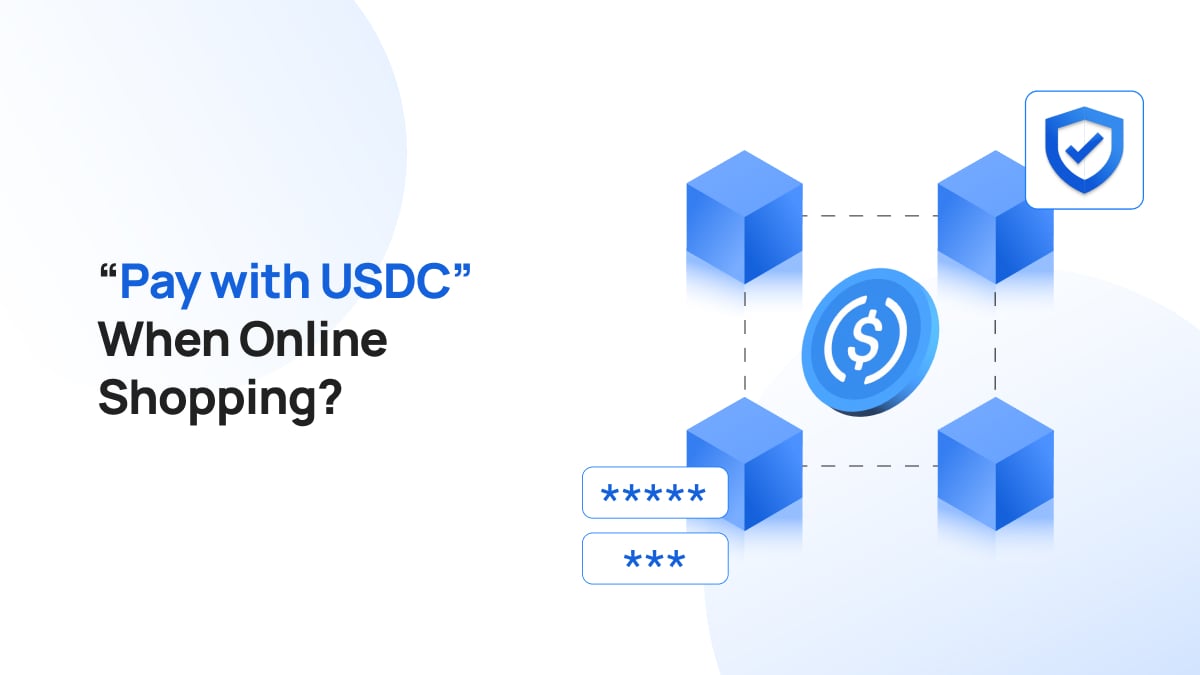
Select which stablecoins (e.g., USDC, USDT) and blockchain networks (e.g., Ethereum, Solana, Polygon) your store will accept. This configuration determines the smart contracts the SDK interacts with. Be mindful of gas fees and settlement times; for example, Layer 2 solutions often offer faster confirmation than mainnet Ethereum. Align these choices with your target customer base to minimize friction at checkout.
Integrate the SDK’s frontend component into your product pages or cart flow. The widget handles wallet connections, transaction signing, and real-time price conversion. Ensure the UI matches your brand guidelines to maintain trust. The goal is to make the crypto payment experience feel indistinguishable from a standard credit card transaction for the end user.
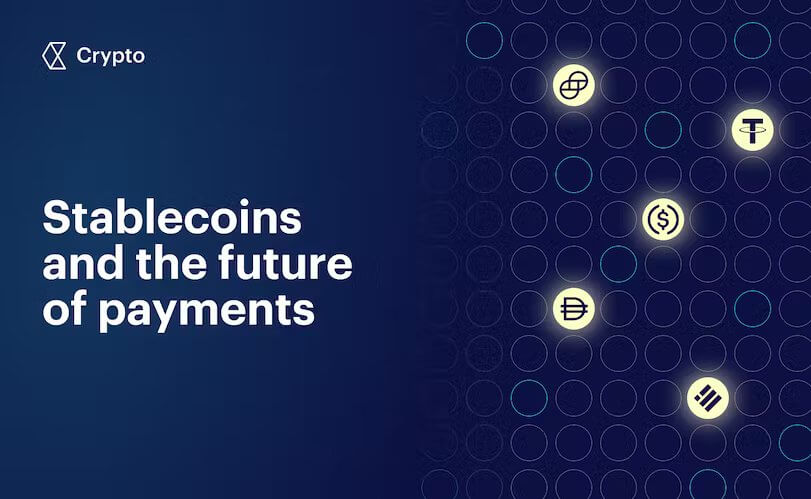
Set up a secure endpoint to receive webhook events from the SDK. These events signal when a transaction is pending, confirmed, or failed. Relying on webhooks is critical because blockchain confirmations can take time; you should only fulfill orders after receiving a "confirmed" status. Implement idempotency checks to prevent duplicate order processing if a webhook is received multiple times due to network retries.
Decide how you will handle the underlying crypto assets. Most merchants opt for automatic conversion to fiat currency (USD, EUR) via the SDK provider’s settlement features, eliminating volatility risk. Alternatively, you can hold the stablecoins in a corporate wallet for treasury management. Configure your payout schedule and banking details to ensure smooth reconciliation with your accounting software.
By following this structured flow, you can deploy a robust payment infrastructure that leverages the efficiency of stablecoins without compromising on security or user experience.
Compliance and settlement risks
One-click stablecoin checkout sounds simple, but the infrastructure behind it carries significant regulatory and financial weight. Unlike traditional card payments, crypto settlement involves navigating evolving compliance frameworks and managing the risk of settlement finality. If the underlying blockchain network stalls or the stablecoin peg breaks, the merchant bears the immediate brunt of the disruption.
Regulatory compliance
Stablecoin payments are not immune to anti-money laundering (AML) and know-your-customer (KYC) requirements. Merchants must ensure their payment service providers (PSPs) have robust compliance layers that automatically flag suspicious transactions. Relying on a PSP that lacks proper licensing can expose your business to regulatory scrutiny or frozen funds. Always verify that your provider is registered with relevant financial authorities in your jurisdiction.
Settlement finality and volatility
Even with stablecoins, settlement is not always instantaneous. Blockchain confirmations can take minutes or hours depending on the network congestion. During this window, the transaction is pending, and the funds are not yet fully settled in your wallet. While stablecoins are designed to maintain a $1.00 peg, de-pegging events, though rare, can result in immediate loss of value. Some PSPs offer instant fiat conversion to mitigate this risk, but it comes with higher fees.
Managing risk
To protect your business, choose a PSP that offers real-time transaction monitoring and automatic compliance checks. Look for providers that partner with secure custody solutions like Fireblocks to ensure that stablecoin settlements are handled with institutional-grade security. This reduces the risk of loss due to hacks or operational errors.
No comments yet. Be the first to share your thoughts!