
Why one-click stablecoin checkout matters now
The friction of traditional crypto payments has long been a conversion killer. Standard crypto flows require users to copy-paste wallet addresses, verify complex network fees, and wait for multiple blockchain confirmations before an order is marked as paid. This multi-step process creates anxiety and abandonment, particularly for smaller transactions where gas fees can exceed the purchase value. Stablecoin checkout solutions address this by abstracting the underlying blockchain complexity, offering a user experience that mirrors the simplicity of credit card processing.
One-click integrations transform this experience. By leveraging pre-approved wallet connections and smart routing, merchants can process payments in seconds rather than minutes. This reduction in friction directly impacts the bottom line. Market trends from 2024 and 2025 indicate that streamlined crypto checkout flows can significantly lift conversion rates, with some estimates suggesting a potential 50% improvement over traditional manual crypto payments. The key is removing the cognitive load from the buyer, allowing them to pay with the speed and certainty of fiat without the associated interchange fees.
Adopting this technology requires a shift in operational mindset. It is not merely about accepting a new asset class but about optimizing the payment funnel. Businesses must ensure their infrastructure supports the necessary trust signals, including clear refund policies and compliance measures, to fully realize these conversion benefits. The goal is to make stablecoin payments feel as invisible and reliable as traditional methods, thereby capturing sales that would otherwise be lost to payment friction.
How one-click stablecoin checkout works
One-click stablecoin checkout replaces the traditional, friction-heavy wallet connection flow with a streamlined, SDK-based integration. In the current e-commerce landscape, requiring a customer to manually copy addresses, select networks, and confirm blockchain transactions creates significant drop-off points. By embedding a provider-backed SDK, merchants abstract these complexities, allowing the payment processor to handle the cryptographic signing and network routing in the background. This approach mirrors the familiarity of standard digital wallets like Apple Pay, but operates on a stablecoin ledger.
The technical mechanism relies on tokenized session management. When a customer initiates a purchase, the SDK generates a secure, time-limited session token. This token authorizes the merchant to request a signature from the user's connected wallet without exposing private keys or requiring manual address entry. The transaction is then broadcast to the blockchain, where the stablecoin's peg to the US dollar ensures predictable settlement values for both the merchant and the consumer.
Step 1: SDK Integration and Configuration
Merchants begin by installing the payment provider's software development kit (SDK) into their checkout environment. This involves configuring API keys and defining the supported stablecoin assets, such as USDC or USDT. The SDK initializes a secure context that communicates with the blockchain network, ensuring that all subsequent interactions are encrypted and compliant with current security standards. This step establishes the bridge between the merchant's e-commerce platform and the decentralized finance infrastructure.

Install the provider's SDK into your checkout stack and configure API keys to establish a secure communication channel with the blockchain network.
Step 2: Customer Wallet Connection
During the checkout process, the SDK presents a unified interface for wallet connection. Instead of navigating multiple dApp interfaces, the customer selects their preferred wallet provider from a standardized list. The SDK handles the signature request, ensuring that the user only signs a message authorizing the payment amount. This step eliminates the need for manual address entry, reducing the risk of typos and associated transaction failures.
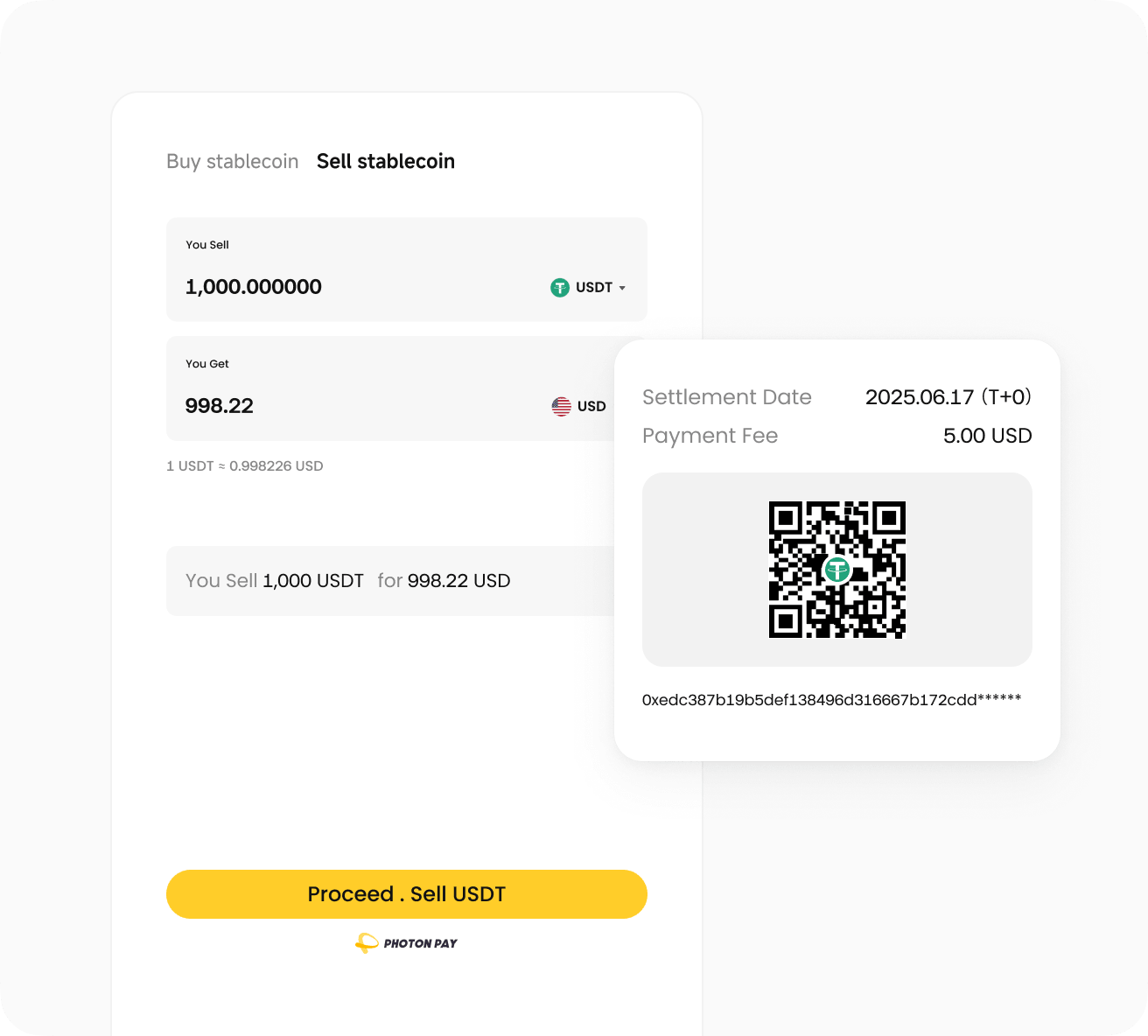
Present a unified interface that allows customers to connect their wallet and authorize payments without manual address entry or complex navigation.
Step 3: Transaction Signing and Broadcasting
Once the customer confirms the payment, the SDK constructs the transaction payload and broadcasts it to the designated blockchain. The stablecoin's smart contract verifies the signature and transfers the assets from the customer's wallet to the merchant's treasury address. Because the asset is pegged to the US dollar, the value remains stable throughout this process, mitigating the volatility risks associated with other cryptocurrencies.

The SDK constructs and broadcasts the transaction, leveraging the stablecoin's peg to ensure value stability during the transfer to the merchant's treasury.
Step 4: Settlement and Reconciliation
The final step involves confirming the transaction on-chain and updating the merchant's order status. The SDK listens for blockchain confirmations and triggers a webhook to the merchant's system upon successful settlement. This real-time reconciliation allows for immediate inventory updates and customer notifications, closing the loop between the decentralized payment and the traditional e-commerce backend.
The system listens for on-chain confirmations and updates the order status via webhook, enabling immediate inventory management and customer notifications.
Contextual Market Data
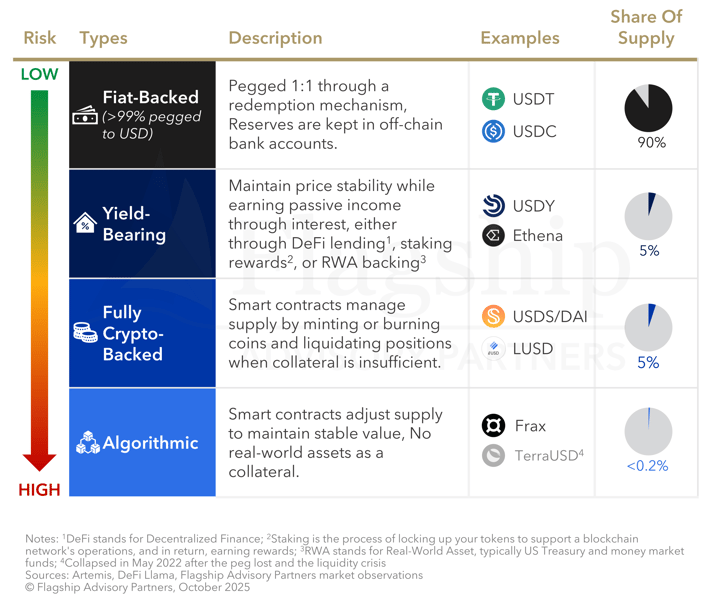
Understanding the reliability of stablecoins requires looking at their market performance. The following chart illustrates the stability of USDC against the US dollar, highlighting the low volatility that makes it suitable for high-frequency e-commerce transactions.
Top crypto payment SDKs for 2026
The race to embed stablecoin payments into e-commerce flows has shifted from experimental pilots to standardized infrastructure. For merchants, the decision now hinges on integration friction, settlement latency, and the breadth of supported chains. The following providers offer distinct approaches to one-click stablecoin checkout, ranging from full-stack gateways to specialized settlement rails.
Checkout.com: Enterprise-Grade Stability
Checkout.com has moved into the crypto space by partnering with Fireblocks to enable USDC settlements. This approach targets large enterprises that require institutional-grade security and compliance. By leveraging Fireblocks’ custody and transaction infrastructure, Checkout.com allows merchants to accept stablecoins while maintaining familiar fiat settlement workflows. The integration is designed for high-volume merchants who prioritize regulatory certainty over experimental chain support.
TransFi: Developer-First Integration
TransFi focuses on reducing the technical barrier to entry for e-commerce platforms. Their solution offers one-click integrations with multi-currency support and AI-powered smart routing to optimize transaction paths. This SDK is particularly suited for mid-market merchants who want to accept stablecoins without building custom blockchain infrastructure. The platform emphasizes ease of deployment and seamless compatibility with existing e-commerce stacks.
BVNK: Settlement Infrastructure
BVNK operates as a settlement layer rather than a traditional payment gateway. Their platform allows merchants to receive stablecoins directly and settle in fiat or other stablecoins with minimal friction. BVNK’s architecture is designed for developers who want to build custom checkout experiences. The platform supports multiple chains and offers flexible settlement options, making it a strong choice for merchants with specific technical requirements.
Polygon Payments: Speed and Cost Efficiency
Polygon Payments leverages the Polygon network to offer instant, low-fee stablecoin transactions. The platform promises settlements in approximately five seconds with fees reduced to pennies. This approach is ideal for high-frequency, low-margin transactions where speed and cost are critical. Polygon’s ecosystem provides a robust environment for merchants looking to reach global customers with minimal friction.
| Provider | Integration Complexity | Settlement Speed | Target Merchant |
|---|---|---|---|
| Checkout.com | High (Enterprise) | T+1 (Fiat) | Large Enterprises |
| TransFi | Low (One-Click) | Near-Instant | Mid-Market E-commerce |
| BVNK | Medium (API) | Variable | Developers & Custom Stacks |
| Polygon Payments | Low (SDK) | ~5 Seconds | High-Volume/Low-Margin |
Fixing trust and compliance gaps first
Stablecoin checkout is not a plug-and-play feature; it is a regulatory and operational overhaul. Before launching, merchants must address the high-stakes risks of crypto payments, including refund policies, regulatory compliance, and consumer trust. Ignoring these gaps invites chargebacks, frozen assets, and legal exposure.
Refund and Reversal Mechanics
Unlike credit cards, blockchain transactions are immutable. A "refund" requires the merchant to initiate a new outgoing transaction, which creates friction and accounting complexity. Without a clear, automated refund policy, disputes can escalate quickly, damaging customer relationships. You need a payment processor that handles the on-chain reversal logic seamlessly, ensuring the customer experience mirrors traditional e-commerce.
Regulatory Compliance and KYC
Compliance is non-negotiable. Depending on your jurisdiction, accepting stablecoins may trigger Know Your Customer (KYC) and Anti-Money Laundering (AML) obligations. Failing to integrate proper identity verification tools can result in heavy fines or being delisted from payment gateways. Ensure your provider is fully licensed and compliant with local financial regulations to protect your business from regulatory scrutiny.
Consumer Trust and Volatility
While stablecoins are pegged to fiat, they are not immune to de-pegging events or smart contract risks. Merchants must clearly communicate how value is preserved and settled. Transparent pricing and real-time conversion to fiat (or a stable asset) at the point of sale are essential to maintain consumer confidence. If a customer pays in USDC, they expect the merchant to receive the equivalent of $1.00, not a fluctuating crypto exposure.
Frequently asked questions about stablecoin checkout
Can you cash out stablecoins?
Yes, but the process introduces friction and counterparty risk that traditional payment gateways avoid. The standard method involves transferring stablecoins to a centralized exchange, selling them for fiat currency, and withdrawing to a bank account. This multi-step off-ramping process is subject to exchange liquidity, withdrawal limits, and potential regulatory holds, creating a delay that can disrupt cash flow if not planned for.
Do I need a blockchain developer to integrate stablecoin payments?
Integration complexity depends entirely on your chosen infrastructure. Building a custom wallet and smart contract solution requires specialized blockchain development skills and rigorous security auditing. However, most merchants now use hosted checkout solutions or payment service providers (PSPs) that abstract the blockchain layer. These providers handle wallet management, transaction monitoring, and compliance, allowing your existing engineering team to integrate via standard APIs without managing private keys or node infrastructure.
Are stablecoin transactions reversible like credit card chargebacks?
No. Stablecoin transactions are final and irreversible on-chain. This eliminates chargeback fraud, a significant revenue leak for e-commerce merchants, but it also means customer support must handle errors differently. If a customer sends funds to the wrong address or makes a typo, the funds are typically lost. Clear refund policies and precise address verification during checkout are essential to mitigate this risk.
No comments yet. Be the first to share your thoughts!