
Market Shift to Stablecoin Payments
The financial infrastructure is undergoing a quiet but decisive pivot in 2026. Stablecoin payments have moved past the experimental phase of early crypto adoption into the realm of standard settlement rails. For merchants and payment processors, the question is no longer whether to accept digital assets, but how to integrate them with the frictionless experience consumers expect from one-click stablecoin checkout systems.
This shift is driven by the need for speed and cost efficiency. Traditional cross-border payments often involve multiple intermediaries, leading to delays and high fees. Stablecoins, pegged to fiat currencies like the US dollar, offer near-instant settlement on blockchain networks. This stability removes the volatility risk that previously deterred mainstream businesses, making them viable for everyday transactions rather than just speculative holdings.
Major payment gateways are leading this charge. Companies like Checkout.com have partnered with security firms such as Fireblocks to enable USDC settlements, signaling that institutional-grade infrastructure is now available for stablecoin processing. This integration allows merchants to receive payments in stablecoins and settle in fiat, bridging the gap between decentralized finance and traditional commerce.
The result is a more resilient payment ecosystem. By adopting one-click stablecoin checkout, businesses can reduce transaction costs, eliminate chargeback risks associated with reversible credit card payments, and reach a global customer base without the friction of currency conversion. This is not just a technological upgrade; it is a fundamental change in how value is exchanged online.
Top stablecoin payment SDKs for 2026
Selecting the right infrastructure for one-click stablecoin checkout requires balancing settlement speed, network support, and developer friction. As the 2026 landscape matures, payment gateways are shifting from simple crypto on-ramps to embedded financial rails that handle compliance and routing automatically. The following SDKs represent the current standard for merchants seeking to accept stablecoins without managing private keys or complex liquidity pools.
TransFi
TransFi offers a specialized e-commerce solution designed for direct merchant integration. Their platform provides one-click integrations for major shopping carts, supporting multi-currency stablecoin acceptance alongside AI-powered smart routing to optimize transaction paths. This approach minimizes the technical overhead typically associated with blockchain settlements, allowing merchants to focus on conversion rather than infrastructure maintenance [[src-serp-1]].
Polygon Pay
Polygon Pay leverages the Polygon network to offer instant, low-fee stablecoin settlements. By processing payments on a high-throughput Layer 2 solution, merchants can accept stablecoins with fees reduced to pennies and settlement times of approximately five seconds. This SDK is particularly effective for high-volume, low-margin transactions where traditional credit card fees or slower blockchain confirmations would erode profitability [[src-serp-3]].
Checkout.com
Checkout.com has expanded its traditional payment infrastructure to include stablecoin settlements, initially partnering with Fireblocks for security. This integration allows merchants to settle payments in USDC while maintaining the familiar dashboard and compliance tools of a major fiat processor. For businesses already using Checkout.com for fiat, this one-click stablecoin feature reduces the friction of adopting a separate crypto payment provider [[src-serp-4]].
BVNK
BVNK focuses on providing a developer-first API that abstracts the complexity of blockchain interactions. Their "Let's Go" demo environment allows merchants to test one-click stablecoin flows before full integration. The platform emphasizes programmability, enabling businesses to build custom checkout experiences that receive stablecoins directly into their treasury while handling the underlying chain mechanics automatically [[src-serp-5]].
| Provider | Settlement Speed | Primary Chains | Integration Type |
|---|---|---|---|
| TransFi | Variable | Multi-chain | One-click plugins |
| Polygon Pay | ~5 seconds | Polygon | API/SDK |
| Checkout.com | Near-instant | Ethereum (USDC) | Embedded gateway |
| BVNK | Depends on chain | Multi-chain | Developer API |
Implement one-click stablecoin checkout
Integrating one-click stablecoin checkout requires shifting from traditional wallet interactions to a streamlined payment flow. Unlike standard crypto transactions that demand manual address entry and gas fee estimation, one-click solutions abstract these complexities. This approach mirrors the frictionless experience of digital wallets in fiat commerce, allowing users to complete purchases with a single confirmation.
The implementation begins with establishing a secure merchant account through a payment processor that supports stablecoin rails. This step involves configuring API keys and setting up webhook listeners to handle transaction events. The processor acts as the intermediary, managing the conversion of blockchain signatures into confirmed payment status for your e-commerce platform.
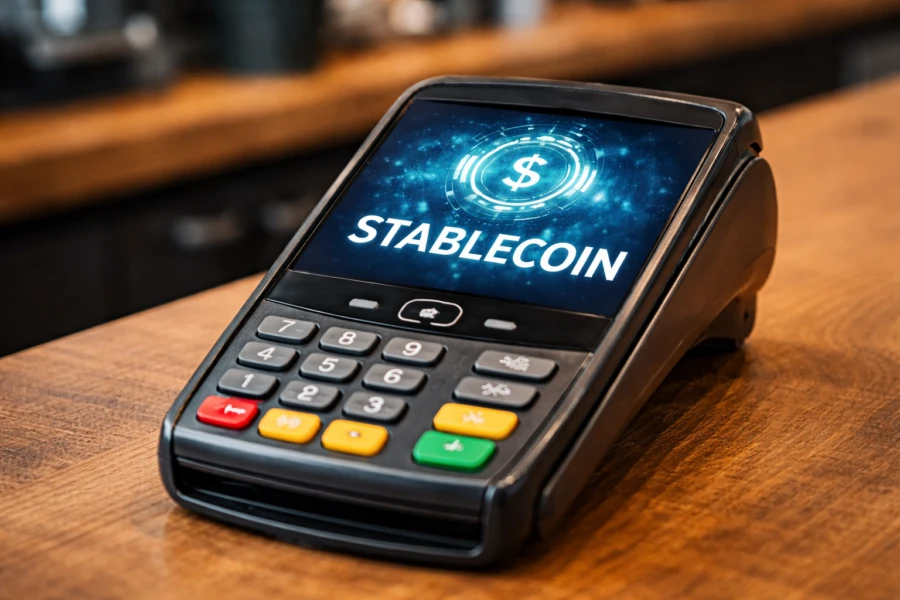
Enable smart routing to automatically select the most efficient stablecoin network for each transaction. This feature reduces latency and minimizes transaction fees by directing payments through optimal liquidity pools. It ensures that the merchant receives the desired currency value without exposure to network congestion.
Integrate a lightweight wallet connection module that remembers user preferences for future visits. This component should support popular non-custodial wallets while maintaining a secure, encrypted session. The goal is to eliminate repetitive signing prompts for returning customers, significantly boosting conversion rates.
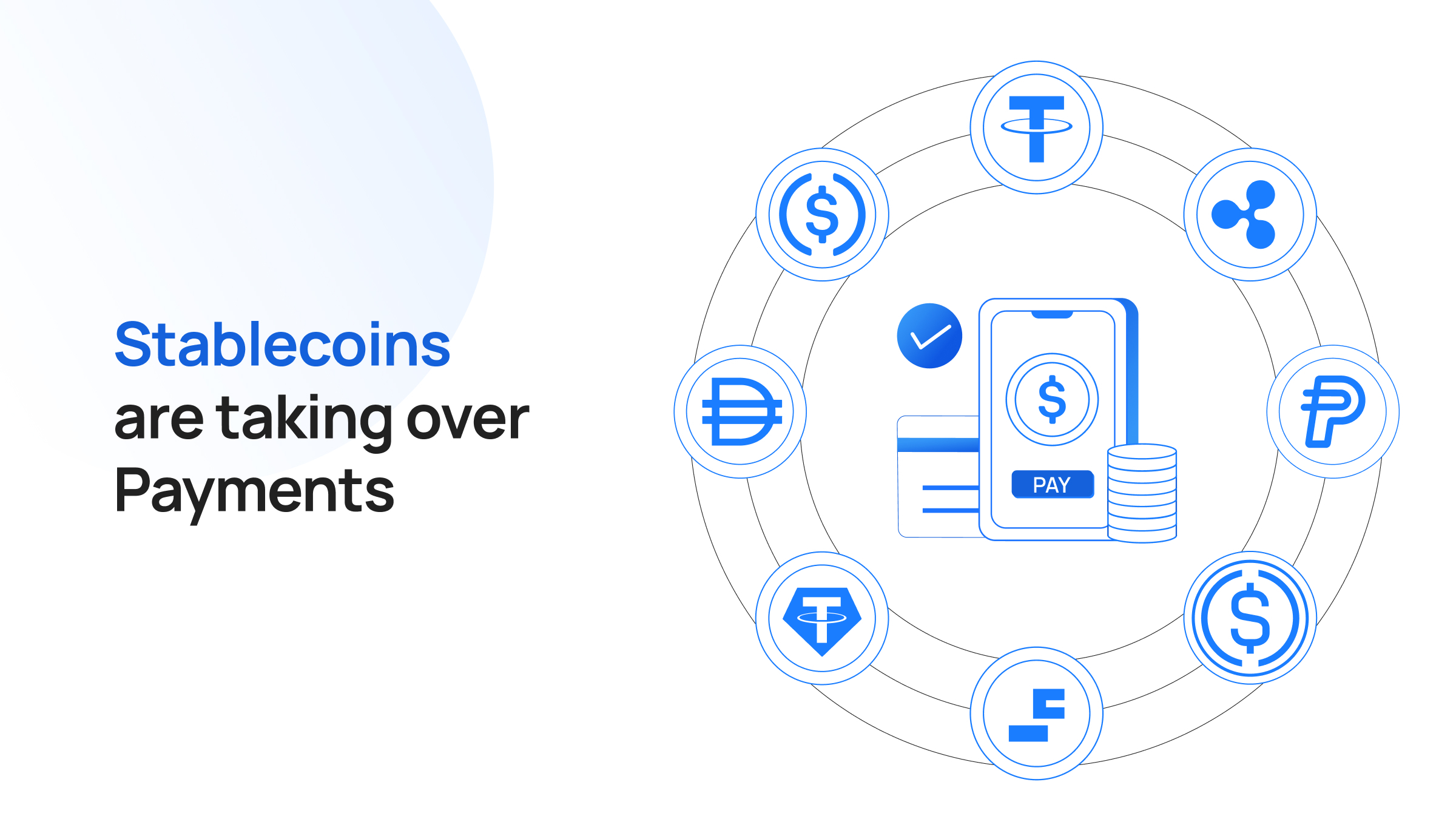
Before going live, run comprehensive tests on a testnet environment to verify transaction flow and error handling. Check that webhooks correctly trigger order fulfillment and that refund mechanisms function as expected. This validation phase is critical to prevent financial loss or customer dissatisfaction during the initial rollout.
Once the technical infrastructure is in place, the focus shifts to user experience. The checkout interface must clearly display the stablecoin amount and any applicable network fees. Transparency builds trust, which is essential when handling digital assets. By reducing the steps required to pay, merchants can capture sales that might otherwise be lost to cart abandonment.
This integration strategy aligns with broader trends in payment infrastructure, where speed and simplicity are paramount. As stablecoins gain traction for cross-border and digital goods, offering one-click checkout positions a business at the forefront of financial innovation. The result is a checkout process that is not only faster but also more reliable than traditional methods.
USDC Payment Gateway Advantages
USDC has emerged as the preferred stablecoin for one-click stablecoin checkout among enterprise merchants, primarily due to its regulatory clarity and predictable settlement mechanics. Unlike volatile cryptocurrencies, USDC maintains a 1:1 peg to the US dollar, providing the price stability required for retail transactions. This peg is backed by cash and short-dated US Treasury securities, ensuring that the asset remains liquid and reliable for high-volume commerce.
The regulatory framework surrounding USDC offers a significant advantage for merchants concerned about compliance. As a regulated financial instrument, it reduces the legal ambiguity often associated with decentralized assets. Major payment infrastructure providers, such as Checkout.com, have integrated USDC to allow merchants to settle payments directly in the stablecoin or convert to fiat instantly. This flexibility mitigates the risk of holding volatile crypto assets on balance sheets while still offering the speed benefits of blockchain technology.
For businesses implementing one-click stablecoin checkout, the choice of USDC simplifies accounting and tax reporting. The consistent value proposition eliminates the need for complex hedging strategies typically required with other digital assets. By leveraging established partnerships with security firms like Fireblocks, payment gateways can ensure that USDC transactions are secure, auditable, and compliant with current financial regulations. This infrastructure allows merchants to adopt crypto payments without disrupting their existing operational workflows.
Web3 Native vs. Hybrid Checkout
Choosing between a pure Web3 native solution and a hybrid legacy integration is the most critical technical decision for merchants adopting one-click stablecoin checkout. The path you select determines your customer friction, compliance burden, and settlement speed.
Pure Web3 Native Solutions
Native platforms like Stripe’s stablecoin infrastructure [1] represent the bleeding edge of this technology. These solutions allow merchants to accept USDC directly on-chain, often settling instantly with lower fees than traditional card networks. However, they require customers to hold crypto in a wallet and understand gas fees or account abstraction layers. This path is ideal for brands targeting crypto-native audiences who value speed and borderless transactions over familiar UI patterns.
Hybrid Legacy Integrations
Hybrid solutions act as a bridge, converting stablecoin payments into fiat settlements via traditional payment processors. This approach hides the blockchain entirely from the consumer, preserving the familiar "one-click" experience of Apple Pay or credit cards while leveraging stablecoin rails for backend efficiency. While slightly more complex to integrate, hybrid models are currently the most viable path for mass-market adoption, as they avoid the regulatory and UX hurdles of direct on-chain settlements.
Decision Framework
| Feature | Pure Web3 Native | Hybrid Legacy |
|---|---|---|
| Customer UX | Requires wallet interaction | Familiar fiat checkout |
| Settlement | On-chain (USDC) | Fiat (via processor) |
| Target Audience | Crypto-native users | Mass market |
| Compliance | High (on-chain tracking) | Moderate (standard KYC) |
For most merchants, a hybrid integration offers the safest entry point for one-click stablecoin checkout, balancing innovation with consumer familiarity. As infrastructure matures, native solutions will likely become the standard for high-volume, cross-border transactions.
No comments yet. Be the first to share your thoughts!