
What a stablecoin checkout SDK does
A stablecoin checkout SDK functions as an abstraction layer between your e-commerce platform and the underlying blockchain. It replaces complex, error-prone raw API interactions with a standardized interface for wallet connections, transaction signing, and fiat conversion. Without this layer, integrating digital asset payments requires managing private keys, monitoring on-chain confirmations, and handling gas fees directly.
The SDK handles the critical path of a payment. When a customer selects a stablecoin like USDC or USDT, the SDK initiates the wallet connection and constructs the transaction. It manages the signing process securely, ensuring that sensitive cryptographic operations remain isolated from your application logic. This separation reduces the risk of key exposure and simplifies compliance requirements for merchants.
Beyond the transaction itself, the SDK manages the final settlement. It can automatically convert crypto to fiat currency at the point of sale, shielding your business from price volatility. Alternatively, it can settle directly in stablecoins, leveraging the near-real-time finality and programmability of blockchain networks Checkout.com. This flexibility allows you to choose between traditional banking rails and decentralized settlement based on your operational needs.
By centralizing these operations, the SDK ensures that your checkout experience remains consistent regardless of the underlying network. It filters out the noise of blockchain mechanics, presenting a clean, reliable payment flow that mirrors traditional credit card processing while retaining the benefits of digital asset settlement Lightspark. This approach is essential for merchants seeking to integrate crypto payments without building a specialized engineering team.
Top stablecoin checkout SDKs compared
Selecting the right SDK determines how quickly you can accept crypto and how much friction you introduce at checkout. Stripe, Circle, and PhotonPay offer distinct approaches to stablecoin integration. Each provider balances developer effort, chain coverage, and settlement speed differently. The choice depends on whether your priority is fiat settlement speed, developer familiarity, or multi-chain flexibility.
Stripe provides a hosted UI and API for stablecoin payments, primarily targeting merchants already embedded in its ecosystem. It supports USDC on Ethereum, Polygon, and Solana. Settlement occurs in fiat currency, reducing exposure to crypto volatility but introducing standard banking rails. Integration is straightforward for existing Stripe users, leveraging familiar webhooks and dashboard tools.
Circle offers direct access to USDC infrastructure through its APIs and SDKs. It supports USDC across multiple EVM-compatible chains and Solana. Settlement can occur in USDC or fiat, depending on the partner bank. Circle’s approach is more developer-centric, allowing deeper customization of the payment flow. This suits platforms that need granular control over the user experience and compliance checks.
PhotonPay focuses on global acceptance with support for USDT and USDC. It settles in fiat and offers real-time tracking. The SDK is designed for ease of integration, particularly for merchants in regions with varying crypto regulations. It supports a wider range of chains than Stripe, including Tron and BNB Smart Chain, which can be critical for specific markets.
The following table compares these providers on key integration metrics.
| Provider | Integration Type | Supported Stablecoins | Settlement Currency | Key Chains |
|---|---|---|---|---|
| Stripe | Hosted UI / API | USDC | Fiat | Ethereum, Polygon, Solana |
| Circle | API / SDK | USDC | USDC / Fiat | EVM, Solana |
| PhotonPay | SDK / API | USDT, USDC | Fiat | Tron, BSC, Ethereum, Polygon |
Stripe is best for merchants seeking a turnkey solution with minimal development overhead. Circle suits platforms requiring deep customization and direct USDC handling. PhotonPay is ideal for global merchants needing broad chain support, particularly in markets where USDT dominates.
Integration patterns and developer flow
Implementing a stablecoin checkout SDK requires a precise sequence of client-side initialization, wallet authentication, and on-chain confirmation. Unlike traditional payment processors that handle tokenization and settlement in the background, Web3 integrations demand explicit handling of cryptographic signatures and network state. This section outlines the standard technical workflow for integrating compliant stablecoin infrastructure.
Begin by installing the official client library for your target environment, such as Node.js or Python. Initialize the SDK instance using your provider-specific API credentials. This step establishes the connection to the payment gateway and configures the supported stablecoin networks, typically USDC or USDT. Ensure your environment variables are secured, as these credentials control the transaction routing.

Define the transaction parameters, including the currency pair and amount. The SDK generates a unique session identifier that links the merchant’s order to the pending blockchain transaction. This session object contains the recipient address and the specific smart contract or gateway endpoint required for settlement. Accurate configuration here prevents failed transactions due to network mismatch or insufficient liquidity.
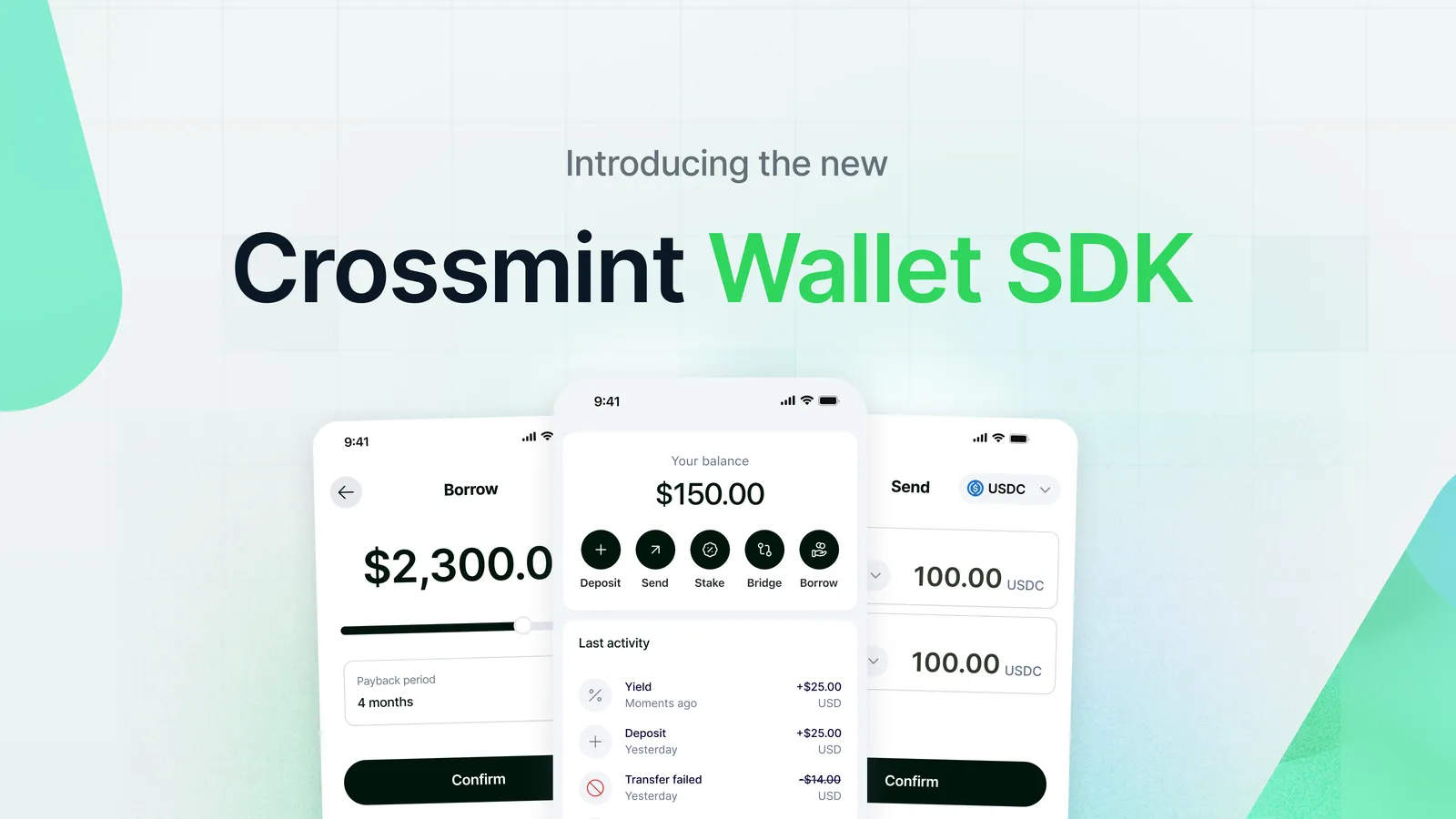
Trigger the wallet connection prompt to authenticate the payer. The SDK constructs a signed message or transaction payload that the user must approve in their digital wallet. This signature serves as proof of intent and authorizes the transfer of funds. Handle common failure states, such as user rejection or expired session tokens, by providing clear error codes and retry mechanisms.
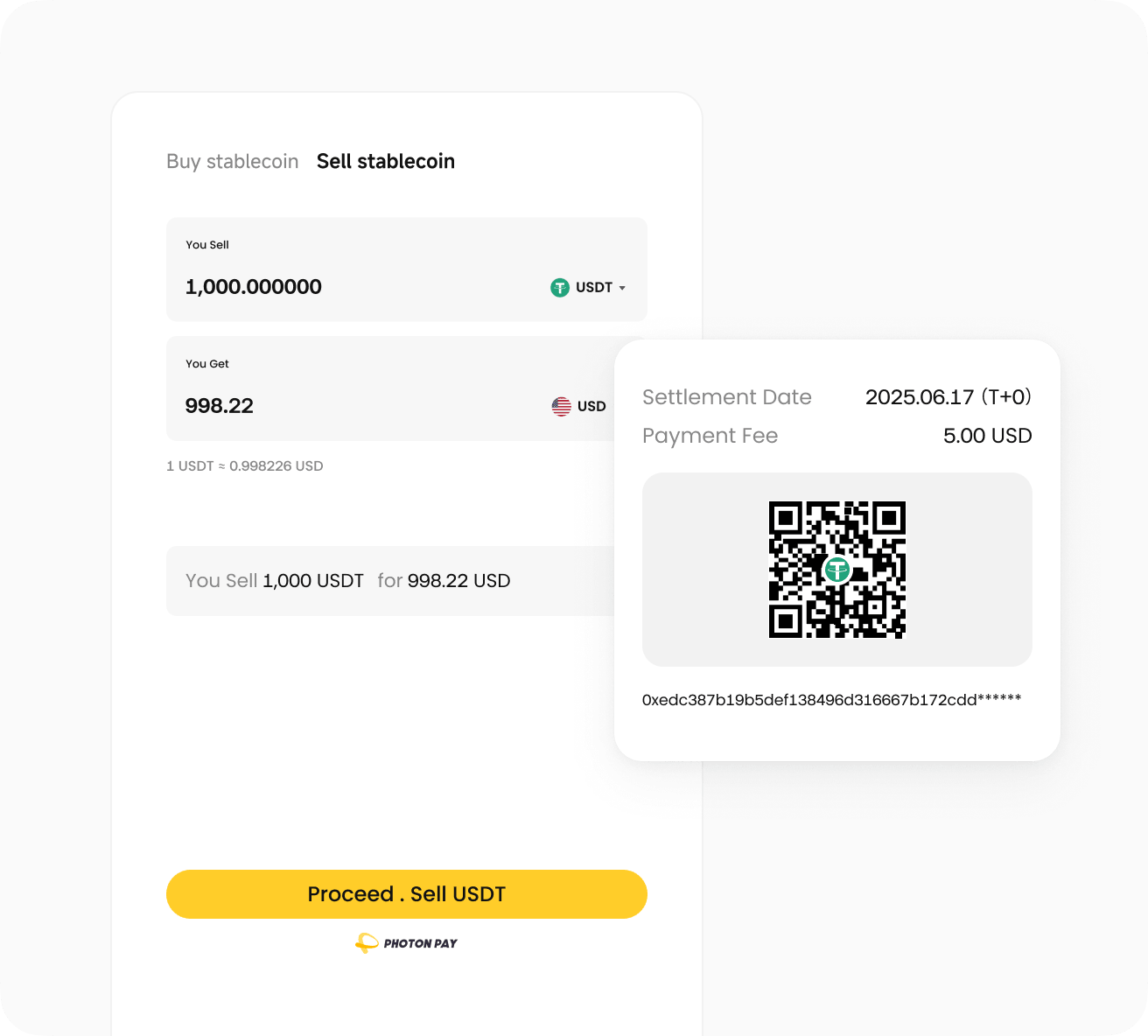
Once the signature is verified, the SDK submits the transaction to the blockchain. Monitor the transaction hash for confirmation blocks. Depending on the network, finality may take seconds to minutes. Upon confirmation, the SDK triggers a webhook or callback to your backend, signaling that the stablecoin has been received and the order can be fulfilled. This step ensures the financial settlement is irreversible and recorded on the ledger.
To contextualize the value stability during this process, it is useful to monitor the peg integrity of the primary stablecoin in use.
This workflow minimizes friction while maintaining the security guarantees of blockchain settlements. By following these steps, developers can integrate robust stablecoin checkout capabilities that align with high-stakes financial standards.
Compliance and settlement risks
Integrating stablecoin checkout requires navigating a regulatory environment that is still solidifying its boundaries. Unlike traditional card networks, stablecoin transactions operate across borders, meaning providers must adhere to a patchwork of local and international rules. Stripe, for instance, requires merchants to enable stablecoin payments directly through their dashboard, ensuring that each transaction complies with their specific KYC/AML frameworks [src-serp-1]. Similarly, global processors like PhotonPay emphasize real-time tracking and global compliance to manage the unique risks associated with cross-border settlements [src-serp-4]. Failure to align with these provider-mandated controls can result in immediate account suspension or frozen funds.
Beyond regulatory hurdles, the inherent volatility of the underlying asset presents a distinct financial risk. While stablecoins are designed to maintain a 1:1 peg with fiat currencies, de-pegging events can occur during periods of market stress. This risk is not merely theoretical; it directly impacts the value of settlements before they are converted to fiat. To monitor this stability, merchants should track the live performance of major stablecoins like USDC.
The choice of stablecoin matters. USDC is widely regarded for its regulatory transparency and reserve backing, which helps mitigate de-pegging risks compared to less regulated alternatives. However, no stablecoin is entirely immune to systemic shocks. Merchants must weigh the convenience of instant settlement against the potential for temporary value erosion. This risk is particularly acute for high-volume transactions where even a minor deviation from the peg can significantly impact margins. Always prefer stablecoins with proven reserve audits and strong regulatory compliance when selecting a payment rail.
Choosing the right SDK for your stack
Selecting a stablecoin checkout SDK requires aligning technical constraints with business priorities. The decision generally falls into three categories: hosted interfaces for rapid deployment, direct SDKs for full customization, and settlement-focused tools for fiat integration.
Hosted checkout pages (e.g., Stripe Crypto, Coinbase Commerce) handle wallet connections, transaction signing, and UI rendering. This approach minimizes development time and reduces liability, as the provider manages security compliance and user experience. Ideal for merchants launching quickly without dedicated engineering resources.
Direct SDKs (e.g., Web3Modal, RainbowKit, WalletConnect) integrate into your existing frontend. They offer full control over the user journey, branding, and data flow but require significant engineering effort to manage wallet connections, gas estimation, and error states. Best for platforms building complex financial products or dApps.

If you require automatic conversion to fiat currency, prioritize SDKs with built-in settlement rails (e.g., Stripe, PayPal, or specialized gateways like BitPay). These tools handle the volatility risk and regulatory reporting associated with converting crypto to bank deposits. Pure crypto wallets typically require manual off-ramping, adding friction for traditional businesses.
No comments yet. Be the first to share your thoughts!