
One-click stablecoin checkout limits to account for
Integrating one-click stablecoin checkout SDKs requires balancing speed, cost, and compliance. The goal is a seamless experience for returning users while maintaining robust error handling for first-time transactions. This guide outlines the practical steps to evaluate SDKs, compare integration paths, and select a solution that fits your technical and business constraints.
One-click stablecoin checkout choices that change the plan
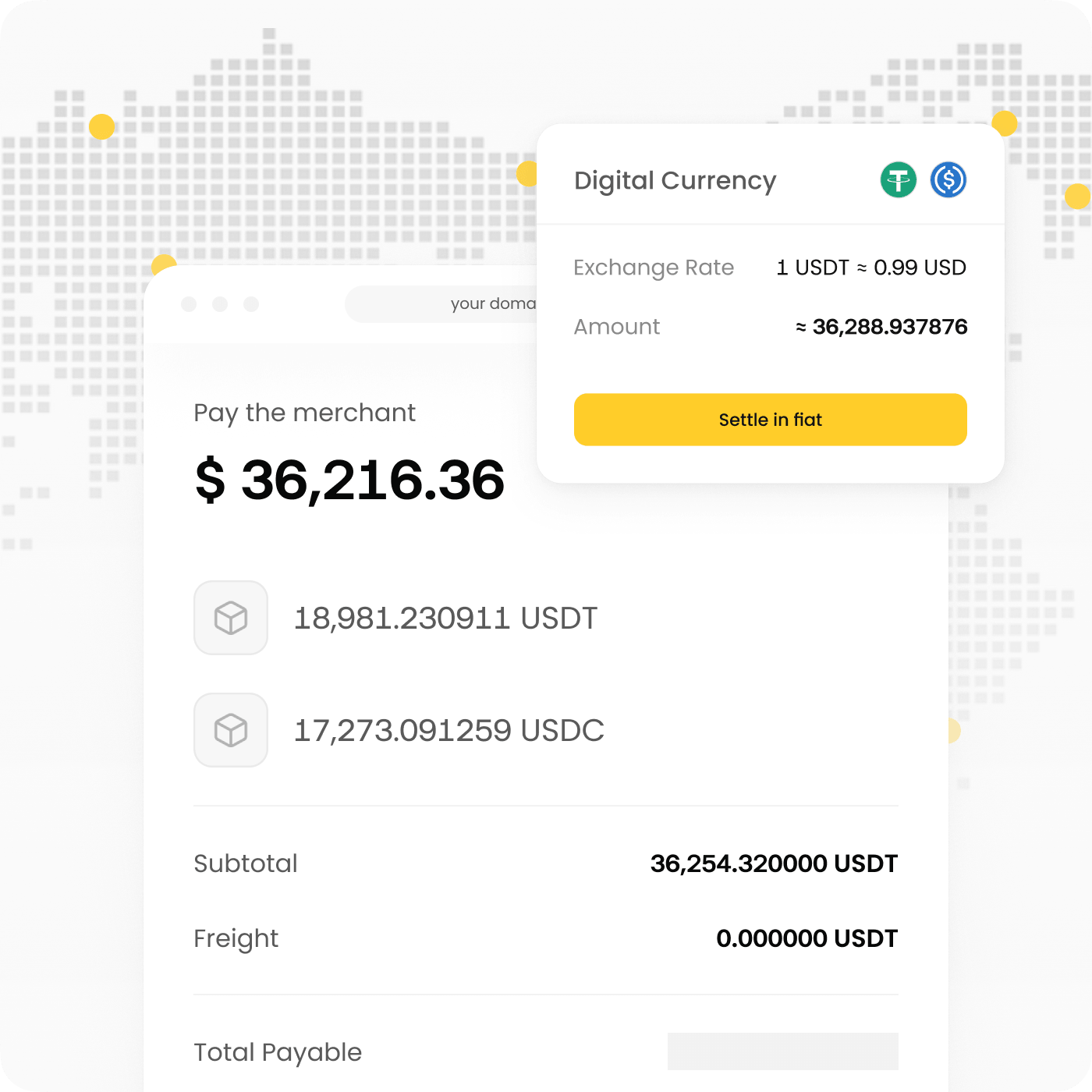
When selecting a stablecoin checkout provider, focus on three core factors: supported networks, settlement speed, and developer experience. A provider may offer low fees but lack support for essential networks like Solana or Base, limiting your addressable market. Conversely, a provider with broad network support might have higher transaction fees or slower settlement times.
| Factor | What to check | Why it matters |
|---|---|---|
| Fit | Match the option to the primary use case. | A good deal still fails if it does not fit the job. |
| Condition | Verify age, wear, and service history. | Hidden condition issues erase upfront savings. |
| Cost | Compare purchase price with likely upkeep. | The cheapest option is not always the lowest-cost option. |
Choose the next step
Watch out for weak or misleading SDK options
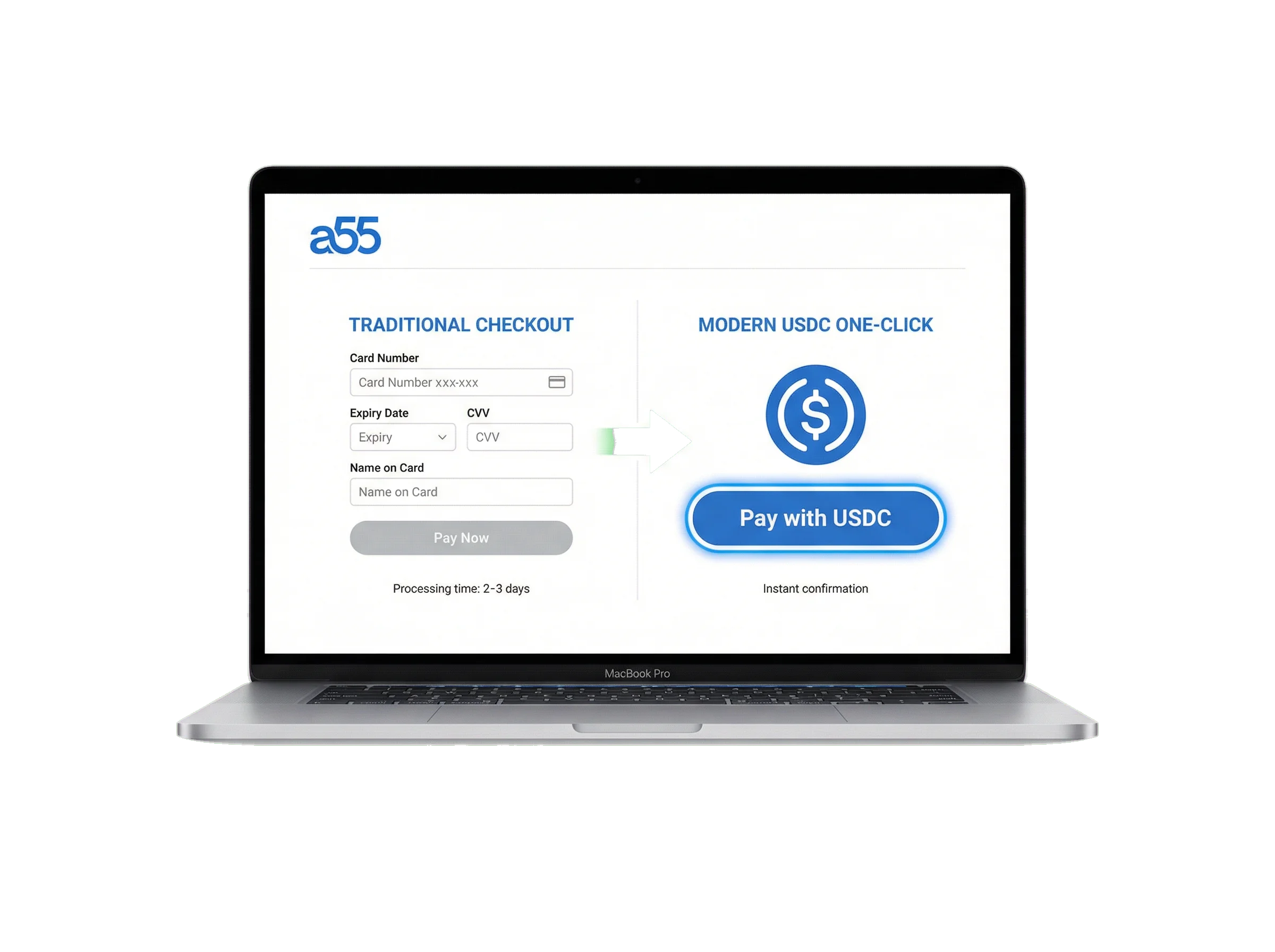
Many providers market "one-click" stability, but the reality is often more complex. When evaluating stablecoin checkout SDKs, look past the marketing copy and examine the actual integration path. Some solutions require significant engineering lift despite promising simplicity, while others rely on third-party bridges that introduce hidden latency or failure points.
Be wary of SDKs that do not clearly specify which stablecoins they support or how they handle network congestion. A checkout flow that works smoothly on Ethereum mainnet during low-traffic periods may fail or become prohibitively expensive during peak times. Always verify the provider's fallback mechanisms for failed transactions and their policy on refunding users when a payment is stuck on-chain.
Also, scrutinize the merchant onboarding requirements. Some "seamless" options restrict access to enterprise clients or require extensive compliance documentation that can delay launch by weeks. If a provider claims instant go-live without clear KYC/AML steps, ask for specifics. Transparency about settlement times and fee structures is a better indicator of reliability than bold promises of frictionless adoption.
One-click stablecoin checkout: what to check next
Integrating stablecoin payments adds a new dimension to your checkout flow, but it raises practical concerns about value, processing, and liquidity. Below are answers to the most common questions merchants ask before adopting one-click stablecoin checkout SDKs.
No comments yet. Be the first to share your thoughts!