
Why stablecoin checkout SDKs matter in 2026
Traditional payment rails are built for a world of batch processing and manual reconciliation. Stablecoin checkout SDKs change that architecture by enabling near real-time settlement. Instead of waiting days for bank transfers to clear, transactions confirm on-chain in minutes or seconds. This speed is not just a convenience; it fundamentally alters cash flow management for businesses operating across borders.
The cost structure of stablecoin payments offers a stark contrast to legacy credit card networks. While traditional processors charge interchange fees that can eat into margins, stablecoin transactions typically incur significantly lower network fees. For high-volume merchants, this difference compounds quickly, turning operational savings into direct profit. The programmability of these assets also allows for automated compliance and smart contract-driven refunds, reducing administrative overhead.
The "stable" in stablecoin refers to the peg, usually to the US dollar. As shown in the chart above, USDC maintains its value relative to the dollar with minimal deviation. This stability is critical for merchants who want the speed of blockchain without the volatility associated with assets like Bitcoin. A checkout SDK handles the complexity of managing these digital assets, ensuring that the value received by the merchant remains predictable.
By integrating a stablecoin checkout SDK, businesses can tap into a global, 24/7 payment infrastructure. This is particularly valuable for digital goods, SaaS subscriptions, and cross-border services where traditional banking hours and currency conversion fees create friction. The technology shifts the focus from moving money to moving value, with greater efficiency and transparency.
Top stablecoin checkout SDKs compared
Choosing the right SDK depends on your stack and how much friction you want to introduce at checkout. The four leading options—Stripe Bridge, Circle USDCKit, Eco Routes, and Crossmint—each take a different approach to handling stablecoin transactions. Some prioritize simplicity by wrapping crypto payments in familiar fiat-like flows, while others offer granular control over chain selection and wallet interactions.
Stripe’s stablecoin integration works through its existing Payment Element or Optimized Checkout Suite. This approach allows merchants to accept stablecoins alongside traditional payment methods without building a separate crypto infrastructure. The primary advantage is familiarity; developers already familiar with Stripe’s API can deploy stablecoin support with minimal additional code. However, this convenience comes with less visibility into the underlying blockchain mechanics, which may not suit projects requiring deep on-chain transparency.
Circle offers two distinct paths: USDCKit for direct stablecoin payments and Bridge Kit with CCTP V2 for cross-chain transfers. USDCKit is designed for straightforward fiat-to-crypto on-ramps, making it suitable for e-commerce sites that want to accept USDC directly. Bridge Kit, on the other hand, focuses on moving value across different blockchains using Circle’s Cross-Chain Transfer Protocol. This makes it ideal for platforms that need to route payments through specific networks or settle funds in different jurisdictions.
Eco Routes provides a developer-focused SDK that emphasizes flexibility and chain diversity. Rather than locking users into a single network, Eco Routes allows merchants to support multiple stablecoins across various blockchains. This is particularly useful for global platforms where users prefer different chains based on transaction costs or regional availability. The SDK includes tools for real-time conversion and fee estimation, helping merchants maintain accurate pricing despite volatile gas fees.
Crossmint takes a different angle by focusing on user acquisition. Their Digital Asset Checkout API allows users to buy digital assets or pay with stablecoins using credit cards, eliminating the need for a crypto wallet entirely. This "no-wallet" approach lowers the barrier to entry for mainstream consumers who are hesitant to manage private keys. For merchants, this means wider audience reach, though it may involve higher processing fees due to the additional fiat conversion layer.
Feature comparison
The table below outlines the core differences between these four SDKs. Use this to quickly identify which solution aligns with your technical requirements and business model.
| SDK | Fiat On-Ramp | KYC Handling | Supported Chains | Integration Effort |
|---|---|---|---|---|
| Stripe Bridge | Yes (via Stripe) | Multi-chain | Low | |
| Circle USDCKit | Yes | Built-in | Ethereum, Polygon | Medium |
| Circle Bridge Kit | No | Merchant handled | Cross-chain (CCTP) | High |
| Eco Routes | Optional | Merchant handled | Multi-chain | Medium |
| Crossmint | Yes (Credit Card) | Built-in | Multi-chain | Low |
Market context
Stablecoin prices are designed to remain pegged to fiat currencies, but market conditions can affect liquidity and availability. Understanding the current state of the broader crypto market helps contextualize SDK performance and user adoption trends.
Stripe Bridge Kit for legacy merchants
Stripe Bridge Kit lets traditional merchants accept stablecoins without leaving the Stripe ecosystem. It integrates directly with the Payment Element or Optimized Checkout Suite, allowing a single integration to handle both fiat and crypto transactions. This approach significantly lowers the engineering barrier, removing the need for separate wallets or complex blockchain infrastructure.
Merchants can accept USDC and other major stablecoins while receiving payouts in their preferred fiat currency. The system handles the on-chain settlement in the background, abstracting away volatility and transaction finality risks. This is ideal for businesses that want to offer crypto payments as a feature rather than a separate operational silo.
The integration supports standard e-commerce flows, meaning customers can pay with crypto using the same checkout experience they are accustomed to. For developers, this means leveraging existing Stripe APIs rather than building custom crypto-handling logic. The result is a streamlined path to crypto adoption for established businesses.
Circle USDCKit for direct settlement
Circle USDCKit is built for teams that need to accept USDC without routing payments through third-party aggregators. It provides a direct line to Circle’s infrastructure, allowing developers to manage on-chain settlement while Circle handles the heavy lifting of compliance and account management. This approach is particularly useful for platforms that require real-time visibility into funds and automated regulatory reporting.
The kit includes a Compliance Kit that integrates directly with Circle’s risk engine. Instead of building your own sanctions screening or transaction monitoring tools, you can rely on Circle’s internal checks. This reduces the operational burden for fintechs and e-commerce platforms that need to process high volumes of transactions while staying compliant with global regulations.
A major upgrade in the 2026 landscape is the integration of Cross-Chain Transfer Protocol (CCTP) V2. This allows USDC to move between blockchains without burning and minting tokens on each end. For a checkout flow, this means faster finality and lower gas costs when users pay from Ethereum, Solana, or Arbitrum. The kit abstracts these complexities, so your users see a seamless payment experience regardless of the underlying chain.
By keeping settlement within Circle’s ecosystem, you reduce counterparty risk. Funds are held in regulated accounts rather than being exposed to the volatility or insolvency risks of smaller stablecoin issuers. This direct settlement model is ideal for businesses that prioritize stability and regulatory clarity over experimental DeFi yields.
Choosing the right SDK for your stack
Your choice of stablecoin checkout SDK hinges on two factors: settlement preference and fiat integration. Some platforms act as full-service gateways, handling on-ramps and compliance. Others are pure infrastructure, letting you manage the chain yourself.
If your users need to pay with cards or bank transfers, choose a gateway like Crossmint or Stripe. These SDKs convert fiat to stablecoins automatically, shielding you from volatility and compliance headaches. This is the path of least resistance for traditional e-commerce.
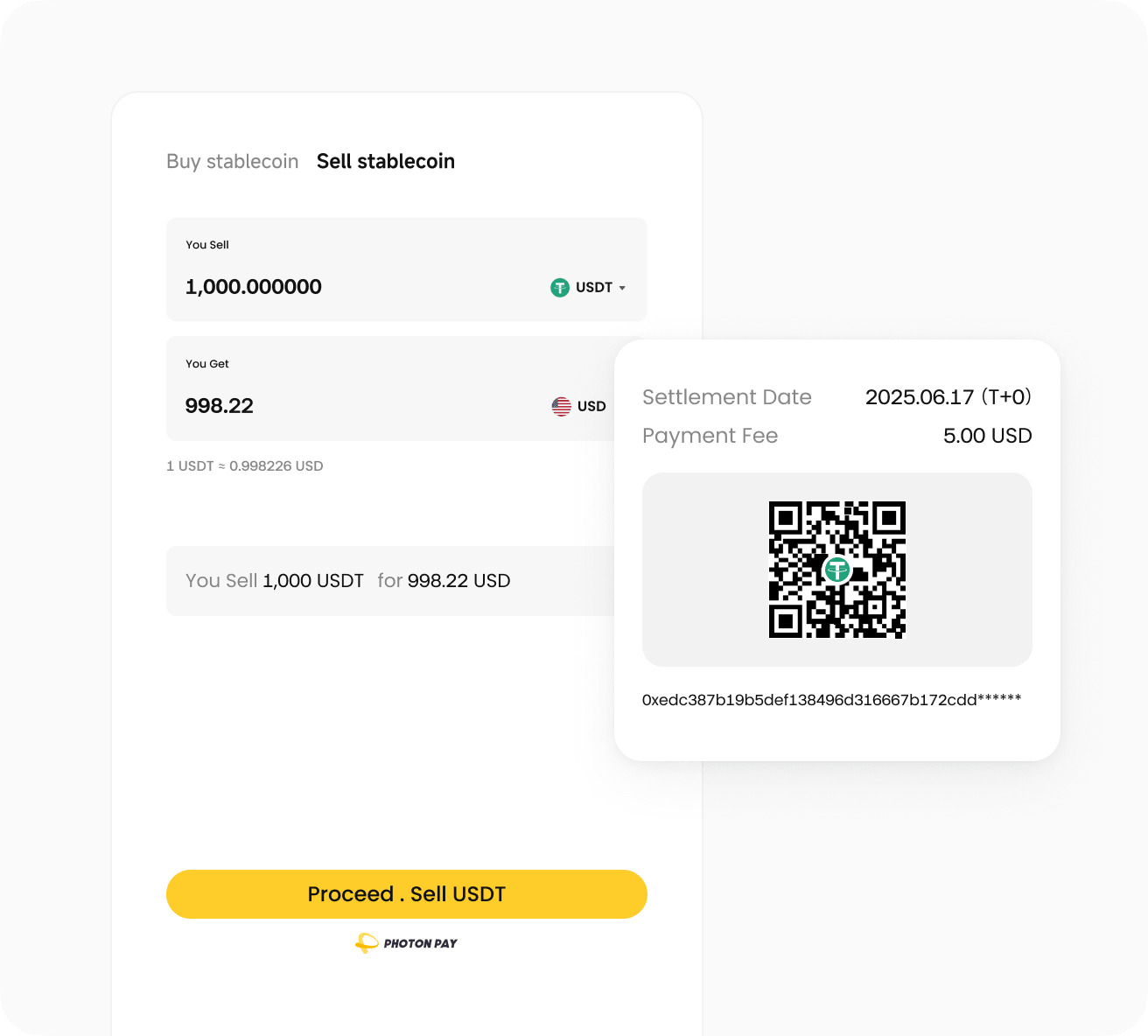
If you only want to accept USDC or USDT directly, look at Circle or Eco. These are developer-first tools that require the user to hold crypto. They offer lower fees and full control over the ledger but demand a more crypto-native audience.

Check which networks the SDK supports. Ethereum mainnet is standard but expensive. If you target emerging markets, ensure the SDK supports L2s like Base or Polygon. A mismatch here can kill your conversion rate through high gas fees.
| Provider | Type | Best For |
|---|---|---|
| Crossmint | Gateway | Fiat on-ramps |
| Circle | Infrastructure | Pure crypto |
| Stripe | Gateway | Traditional merchants |
No comments yet. Be the first to share your thoughts!