
The checkout friction that stablecoins solve
Cross-border payments have long been defined by their inefficiencies. Traditional banking rails often take days to settle, carrying hidden fees that erode merchant margins and frustrate customers. While blockchain technology promised instant, low-cost transactions, early adoption hit a wall: user experience. For the average shopper, managing private keys, gas fees, and wallet addresses created a barrier too high for mainstream e-commerce.
The problem is no longer infrastructure or liquidity; it is user experience. As WalletConnect CEO Jess Houlgrave notes, stablecoins face a checkout problem, not a tech problem. The underlying technology works, but the friction of initiating a transaction remains a significant hurdle for mass adoption. Merchants have struggled to convert interest into actual sales because the checkout process feels like a technical challenge rather than a simple purchase.
2026 marks the inflection point where this dynamic shifts. With the rise of one-click stablecoin checkout solutions, merchants can now offer a payment flow that rivals the simplicity of credit cards. These SDKs abstract away the complexity of blockchain interactions, allowing customers to pay with stablecoins in a single tap. This shift transforms stablecoins from a niche crypto tool into a viable, competitive payment method for global e-commerce.
How one-click stablecoin checkout works
Modern one-click stablecoin checkout transforms a complex blockchain transaction into a familiar e-commerce flow. When a customer selects this payment method, the merchant’s SDK takes over the heavy lifting. Instead of asking the user to connect a MetaMask wallet, sign a transaction, or pay gas fees, the system handles the on-chain execution in the background. This abstraction is what allows stablecoins like USDC or USDT to feel as frictionless as Apple Pay.
The technology relies on sponsored transactions and account abstraction. Services like Eco enable "gasless" payments by covering the network fees on behalf of the user, while Crossmint provides APIs that can generate temporary wallets or use social logins for instant access. This means the user never touches a private key during the purchase. The SDK manages the minting, the swap, and the settlement, ensuring the merchant receives the stablecoin value without the user experiencing blockchain latency or complexity.
For the merchant, this means integrating a standard payment button rather than building a custom crypto treasury. The checkout flow remains identical to traditional card payments, but the settlement happens on-chain. This reduces chargeback risk and lowers processing fees, all while keeping the user experience entirely opaque to the underlying distributed ledger technology.
Top crypto payment SDKs for 2026
Choosing the right crypto payment SDK means deciding whether your priority is enterprise-grade compliance or developer-first flexibility. The market has split into distinct camps: traditional fintech giants integrating crypto rails, and native Web3 builders designing checkout flows from the ground up.
| Provider | Primary Focus | Integration Style | Best For |
|---|---|---|---|
| Checkout.com | Enterprise fiat-on-ramp | API + Coinbase partnership | Large merchants needing compliance |
| Crossmint | Digital asset checkout | Hosted, embedded, headless | Web3-native brands & gaming |
| Eco | Gasless stablecoin network | Programmable balances | Global remittance & subscriptions |
Checkout.com
Checkout.com targets established enterprise merchants who need to accept stablecoins without leaving their existing fiat infrastructure. Through a partnership with Coinbase, they enable eligible merchants to capture global demand directly. This approach is ideal for brands that prioritize regulatory compliance and seamless fiat settlement over native crypto custody.
Crossmint
Crossmint offers a more flexible, developer-centric toolkit. Their Digital Asset Checkout API supports hosted, embedded, and headless integrations, allowing developers to tailor the user experience. A key differentiator is the ability to let users buy digital assets with credit cards without needing a crypto wallet first. This lowers the barrier to entry for mainstream consumers while giving developers full control over the UI.
Eco
Eco positions itself as a programmable money network rather than just a payment processor. It provides global stablecoin balances and deposit addresses with single-click, gasless transactions. This model is particularly effective for subscription-based services or cross-border payments where transaction fees can erode margins. By abstracting away the complexity of gas fees, Eco makes stablecoins feel as frictionless as traditional credit card payments. Eco Official Site
Market signals and adoption trends
The momentum behind one-click stablecoin checkout is shifting from experimental pilot programs to enterprise-grade infrastructure. Legacy payment processors are no longer treating crypto as a niche curiosity; they are integrating it as a standard settlement layer. This shift is most visible in the strategic partnerships forming between traditional fintech giants and blockchain-native platforms.
Checkout.com, a leading payment gateway, recently expanded its capabilities to allow eligible enterprise merchants to accept stablecoin payments through a partnership with Coinbase. This move validates the "one-click" model by removing the technical friction that previously prevented large retailers from offering crypto checkout options. By leveraging Coinbase’s infrastructure, merchants can now accept stablecoins with the same ease as credit card transactions, settling directly in fiat or stable assets without managing private keys.
The partnership underscores a broader industry trend: stability is the primary driver for merchant adoption. Unlike volatile cryptocurrencies, stablecoins like USDC provide a predictable value proposition for both buyers and sellers. This reliability is essential for high-volume commerce, where price swings can erode margins or complicate accounting. The integration with Coinbase, a publicly traded and regulated entity, adds a layer of compliance and security that legacy merchants require to enter the space.
As these integrations mature, the barrier to entry for one-click stablecoin checkout continues to lower. Merchants who adopt these solutions early are positioning themselves to capture global demand from consumers who prefer faster, borderless payments. The market signal is clear: stablecoin acceptance is becoming a standard feature rather than a differentiator.
Steps to integrate stablecoin payments
Turning stablecoin acceptance into a live feature requires more than just adding a button. You need a workflow that handles compliance, ensures the user experience is smooth, and guarantees the settlement lands in your treasury. Follow this four-step path to go from concept to checkout.
Don’t build a wallet from scratch. Use a gateway like Checkout.com or Crossmint that already holds the necessary licenses and handles Know Your Customer (KYC) checks. These providers act as the bridge between your e-commerce platform and the blockchain, ensuring you stay compliant with anti-money laundering (AML) regulations without managing private keys yourself.
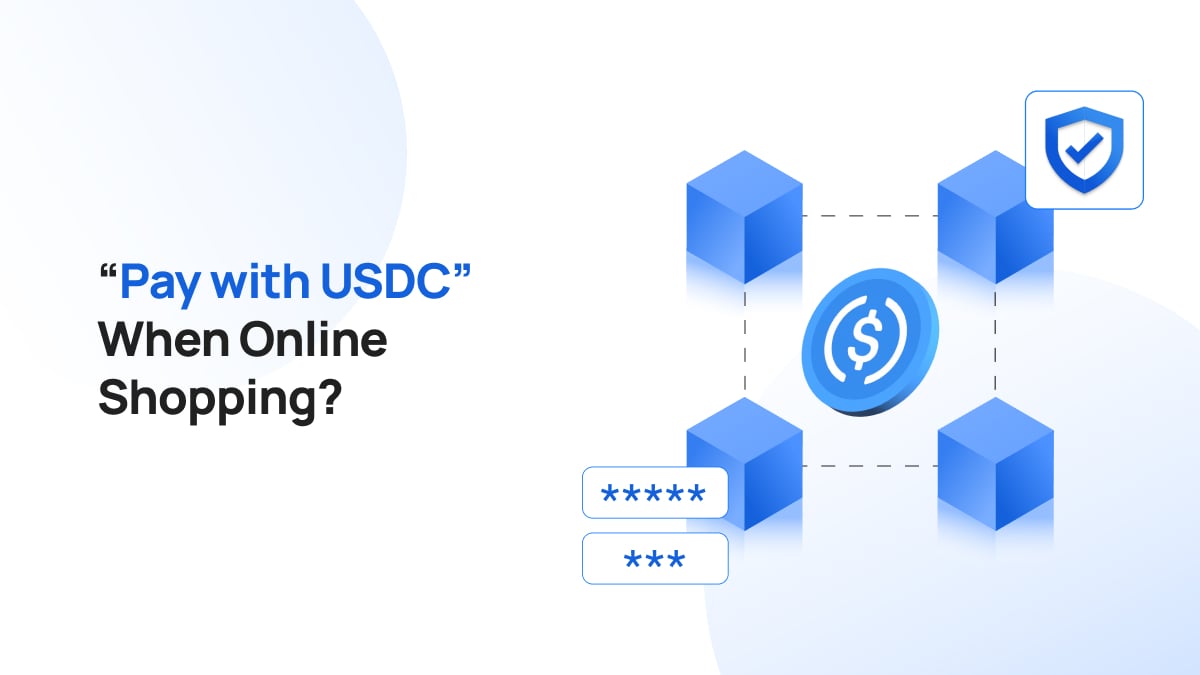
Embed the provider’s SDK into your shopping cart. The goal is "one-click" simplicity. The SDK should handle the complex parts: detecting the user’s preferred stablecoin (like USDC), estimating gas fees, and signing the transaction. This removes the friction of users needing to manually copy addresses or navigate confusing wallet interfaces.
Before going live, run every transaction through the provider’s sandbox. Test edge cases: what happens if a user cancels mid-transaction? What if the stablecoin price fluctuates during the checkout window? Verify that your backend correctly receives the webhook notifications confirming the on-chain settlement.
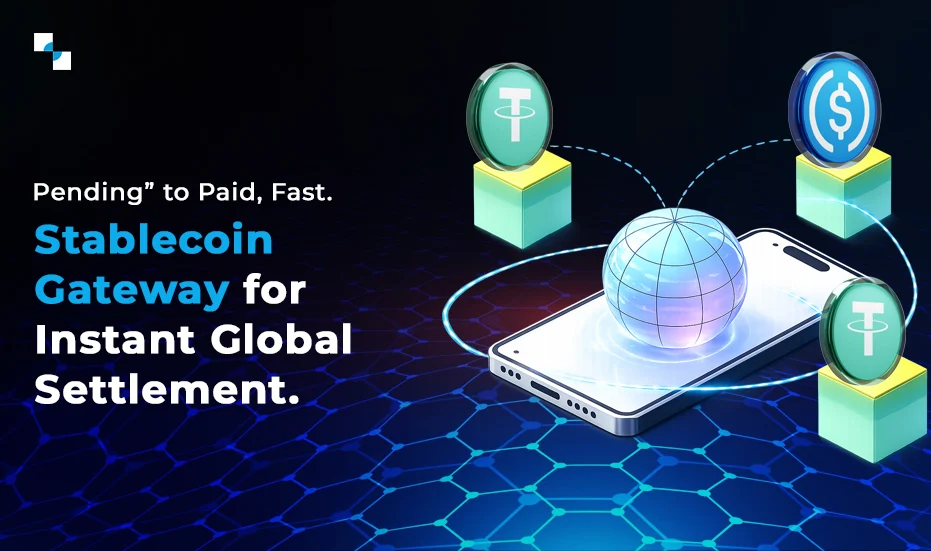
Decide how you want to hold the funds. Most gateways allow you to auto-convert stablecoins to fiat to avoid volatility risk, or hold them in a digital asset treasury. Ensure your accounting software is updated to reflect these new asset classes, as stablecoin settlements may require different reporting than traditional credit card transactions.
-
Verify KYC/AML compliance with your gateway provider
-
Integrate SDK with your primary shopping cart platform
-
Run end-to-end tests in the sandbox environment
-
Configure auto-conversion or treasury holding settings
Frequently asked questions about stablecoin checkout
How do I withdraw stablecoin to a bank account?
Stablecoins are digital assets, not fiat currency, so you cannot withdraw them directly to a bank. Instead, you must transfer the stablecoin from your merchant wallet to a centralized exchange or a regulated crypto-to-fiat gateway. Once the funds (such as USDC or USDT) arrive at the exchange, you initiate a standard withdrawal to your linked bank account via ACH or wire transfer. This two-step process introduces a time delay and potential fees that merchants must account for in their reconciliation workflows.
What is a real-world example of a stablecoin transaction?
A typical stablecoin transaction mirrors a digital transfer rather than a card swipe. For instance, a customer sends USDC from their personal wallet to the merchant’s designated payment address. The blockchain confirms the transaction, and the merchant’s accounting system logs the receipt. Unlike card networks that handle chargebacks and intermediaries, stablecoin transactions are final and irreversible. This example highlights the importance of verifying the sender’s address and ensuring the payment network (e.g., Ethereum, Solana) is active before fulfilling the order.
Is stablecoin checkout secure for merchants?
Security in stablecoin checkout relies on smart contract integrity and wallet management rather than traditional fraud detection. According to industry leaders like WalletConnect CEO Jess Houlgrave, the primary challenge is no longer infrastructure but user experience and seamless integration. Merchants mitigate risk by using audited payment gateways that handle the cryptographic verification, ensuring funds are received before releasing goods. Always verify that your payment processor uses multi-signature wallets and complies with current regulatory standards to protect against exploits.
No comments yet. Be the first to share your thoughts!