
The shift from fiat to stablecoin rails
Merchants are moving from traditional fiat rails to stablecoin infrastructure not as a speculative experiment, but as a structural necessity. The transition is driven by three converging pressures: the erosion of cross-border payment margins, the latency of legacy settlement networks, and the expanding demand for global digital commerce. Stablecoins provide a programmable settlement layer that operates independently of banking hours, offering finality in minutes rather than days.
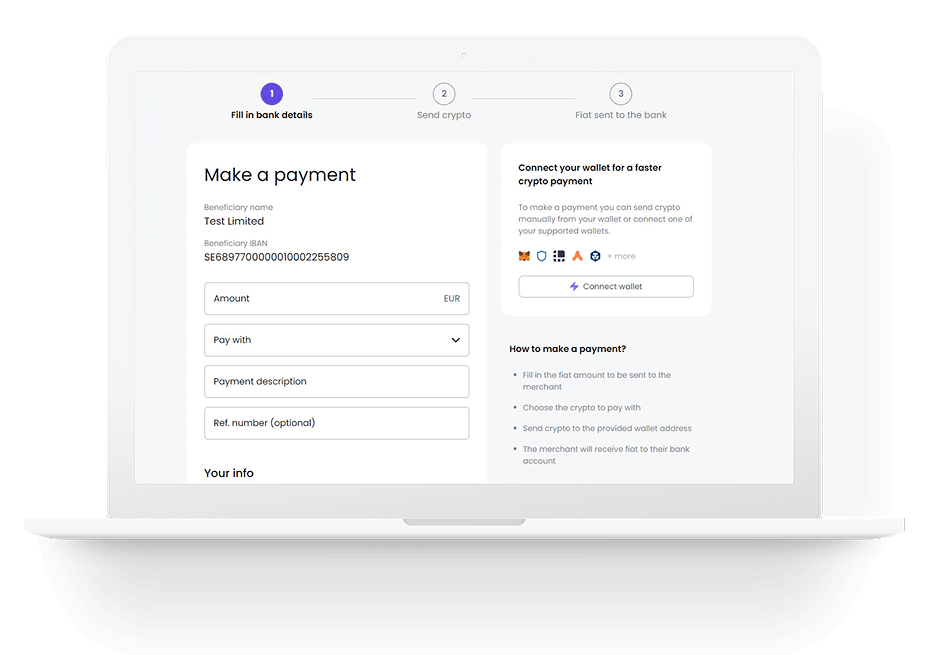
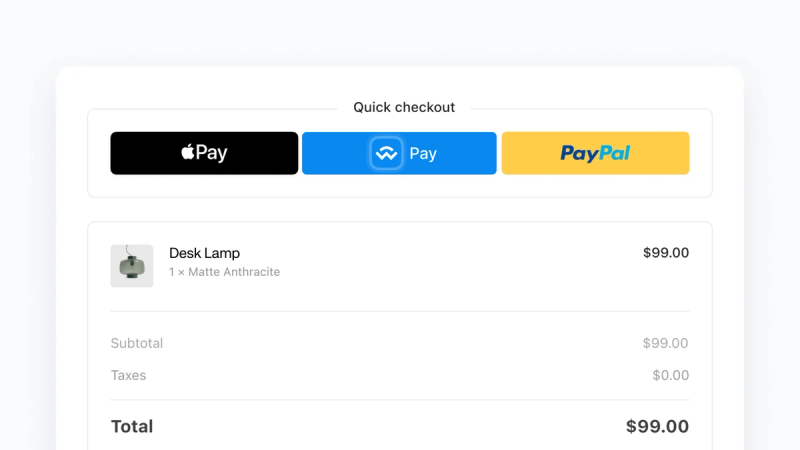
The "one-click" checkout experience serves as the critical bridge between Web2 user expectations and Web3 underlying rails. For the merchant, this means integrating a payment interface that abstracts away wallet management and volatility, presenting a familiar, frictionless transaction flow. For the consumer, it removes the technical barriers of blockchain interaction, allowing payments to occur with the same ease as a credit card swipe. This abstraction is what transforms stablecoins from a niche crypto asset into a viable merchant payment method.
The economic case centers on cost reduction and capital efficiency. Traditional card networks and cross-border wire transfers impose layered fees that eat into thin retail margins. Stablecoin transactions settle on-chain, significantly lowering processing costs while providing immediate liquidity. This efficiency is particularly vital for international trade, where currency conversion and intermediary bank fees traditionally create substantial friction and delay.
To understand the reliability of this shift, it is essential to look at the underlying asset's stability. Stablecoins are pegged to fiat currencies, maintaining a 1:1 value ratio that makes them suitable for everyday commerce. The following chart illustrates the price stability of USDC against the US dollar, demonstrating the minimal deviation that allows merchants to accept these assets without immediate hedging.
How one-click stablecoin checkout works
One-Click Stablecoin Checkout works best as a clear sequence: define the constraint, compare the realistic options, test the tradeoff, and choose the path with the fewest hidden costs. That order keeps the advice usable instead of decorative. After each step, pause long enough to check whether the recommendation still fits the reader's actual situation. If it depends on perfect timing, unusual access, or a best-case budget, include a simpler fallback.
The simplest way to use this section is to write down the real constraint first, compare each option against it, and choose the path that still works outside ideal conditions.
Top stablecoin integration SDKs for 2026
One-Click Stablecoin Checkout works best as a clear sequence: define the constraint, compare the realistic options, test the tradeoff, and choose the path with the fewest hidden costs. That order keeps the advice usable instead of decorative. After each step, pause long enough to check whether the recommendation still fits the reader's actual situation. If it depends on perfect timing, unusual access, or a best-case budget, include a simpler fallback.
| Factor | What to check | Why it matters |
|---|---|---|
| Fit | Match the option to the primary use case. | A good deal still fails if it does not fit the job. |
| Condition | Verify age, wear, and service history. | Hidden condition issues erase upfront savings. |
| Cost | Compare purchase price with likely upkeep. | The cheapest option is not always the lowest-cost option. |
Settlement risks and compliance needs
One-Click Stablecoin Checkout works best as a clear sequence: define the constraint, compare the realistic options, test the tradeoff, and choose the path with the fewest hidden costs. That order keeps the advice usable instead of decorative. After each step, pause long enough to check whether the recommendation still fits the reader's actual situation. If it depends on perfect timing, unusual access, or a best-case budget, include a simpler fallback.
The simplest way to use this section is to write down the real constraint first, compare each option against it, and choose the path that still works outside ideal conditions.
Steps to integrate one-click stablecoin checkout
Start One-Click Stablecoin Checkout with the constraint that matters most in real life: space, timing, budget, skill level, maintenance, or availability. That first constraint should shape the rest of the plan instead of appearing as an afterthought. Keep the first pass simple enough to verify. Compare the main options against the same criteria, remove choices that only work in ideal conditions, and save optional upgrades for later.

No comments yet. Be the first to share your thoughts!