
Market shift to instant stablecoin settlement
The financial infrastructure for digital payments is undergoing a structural pivot. For years, cryptocurrency adoption was hamstrung by volatility and settlement delays. That friction is disappearing. The primary driver is the emergence of one-click stablecoin checkout, a mechanism that allows merchants to accept digital assets while settling in fiat, effectively neutralizing the price risk that previously deterred enterprise integration.
This shift moved from experimental pilot to enterprise standard largely due to the partnership between Checkout.com and Coinbase. This collaboration did not merely add a new payment option; it provided the necessary regulatory and technical scaffolding for large-scale adoption. By enabling eligible enterprise merchants to accept stablecoin payments from consumers, the partnership signaled that major payment processors view stablecoins as a viable, compliant layer for global commerce.
The implications for market dynamics are significant. Merchants can now capture global demand without the traditional foreign exchange friction or the banking delays associated with cross-border transfers. Consumers gain a faster, lower-cost alternative to credit cards, while merchants retain the stability of traditional currency settlement. This duality is what transforms stablecoins from a speculative asset into a practical utility for everyday transactions.
The reliability of this model hinges on the stability of the underlying asset. For the one-click stablecoin checkout to function as a standard, the token used must maintain its peg to the US dollar with minimal deviation. Any significant depegging event undermines the trust required for mass merchant adoption.
The visual above demonstrates the price stability of USDC against the US Dollar. The tight correlation to the 1:1 peg illustrates why this specific asset class is preferred for checkout flows. Unlike volatile cryptocurrencies, stablecoins offer the predictability merchants require for accounting and revenue forecasting, making them the only logical choice for routine commercial transactions.
Leading one-click stablecoin checkout providers
The infrastructure for one-click stablecoin checkout is consolidating around a few key gateways that bridge traditional payment rails with on-chain settlement. For merchants, the choice of provider dictates not just the developer experience but the final settlement currency and the regulatory posture of the transaction. The following comparison outlines the primary SDKs and gateways currently enabling this technology, focusing on integration ease and settlement mechanics.
| Provider | Integration Type | Settlement | Target Audience |
|---|---|---|---|
| Checkout.com | API & SDK | Fiat (USD/EUR) | Enterprise |
| BVNK | SDK & API | Stablecoin (USDC) | SMB & Enterprise |
| Crossmint | Headless & Embedded | Stablecoin | Web3 & Consumer |
| WalletConnect | SDK & Wallet | Stablecoin | DApps & Consumer |
Checkout.com has entered the space by partnering with Coinbase, allowing eligible enterprise merchants to accept stablecoins while settling in fiat. This approach minimizes balance sheet risk for traditional merchants who lack crypto treasury management capabilities. The integration relies on established payment APIs, making it a low-friction entry for large-scale retailers who prioritize regulatory compliance and familiar accounting workflows over direct crypto exposure.
BVNK offers a more native crypto-first experience, enabling merchants to receive stablecoins directly. Their SDK is designed for developers who want to retain the benefits of blockchain settlement, such as faster finality and lower cross-border fees. This model suits businesses already operating in Web3 or those looking to capture a global customer base without the friction of traditional currency conversion.
Crossmint focuses on removing the need for a crypto wallet entirely for the end-user. Their digital asset checkout allows users to pay with credit cards or existing payment methods, while the merchant receives stablecoins. This hosted and embedded solution is particularly effective for consumer-facing applications, NFT marketplaces, and digital goods where the primary goal is frictionless conversion rather than crypto-native engagement.
WalletConnect provides the infrastructure layer for decentralized applications (DApps). Their Pay feature integrates directly with digital wallets, offering clear documentation and operational dashboards aligned with traditional payment workflows. This is the preferred choice for protocols and platforms that prioritize user sovereignty and direct wallet interaction, ensuring that the checkout experience remains decentralized while still supporting stablecoin transactions.
Integration complexity and developer experience
The difference between a traditional crypto wallet flow and a one-click stablecoin checkout is the difference between manual transmission and an automatic. Traditional flows require the user to connect a wallet, approve transactions, and manage gas fees. This friction is the primary barrier to adoption for mainstream consumers who are not already crypto-native. Modern SDKs abstract this away, allowing developers to offer a checkout experience that mirrors traditional e-commerce.
Implementing a one-click stablecoin checkout often relies on account abstraction or hosted wallets. These technologies hide private key management from the end user, allowing the SDK to handle the complex cryptographic signing in the background. This simplification is critical for reducing drop-off rates during the payment process.
Developers must choose between embedded, headless, or hosted integrations. Embedded solutions offer the most control over the user interface but require more development effort. Headless APIs provide flexibility for custom frontends, while hosted solutions offer the fastest time-to-market. The choice depends on the specific needs of the platform and the desired level of user experience customization.
Official documentation from providers like WalletConnect and Crossmint emphasizes the importance of aligning these integrations with traditional payment workflows. This alignment ensures that the checkout process feels familiar to users, reducing cognitive load and increasing conversion rates. The technical complexity is shifted from the user to the SDK, making the one-click stablecoin checkout a viable option for mass-market applications.
Compliance and settlement risks
Implementing one-click stablecoin checkout requires navigating a complex regulatory landscape where financial infrastructure meets decentralized protocols. Unlike traditional card payments, stablecoin settlements operate on public ledgers, introducing distinct compliance and operational risks that merchants and SDK providers must manage. The primary concern is not just the technology, but the stability of the underlying assets and the legal frameworks governing their use.
Regulatory scrutiny is intensifying globally. Financial institutions are increasingly required to ensure that stablecoin issuers maintain transparent reserves and adhere to anti-money laundering (AML) standards. As noted by the Bank of England, the link between stablecoins and stable assets is critical for consumer protection, but it also creates a dependency on the issuer's solvency and regulatory standing. Merchants using one-click stablecoin checkout must verify that their payment processor is compliant with local financial regulations to avoid account freezes or legal penalties.
Beyond compliance, peg stability presents a direct financial risk. While most stablecoins aim for a 1:1 peg to fiat currencies, depegging events can occur due to market volatility or loss of confidence. Lending platforms and DeFi integrations often amplify these risks through smart contract vulnerabilities or counterparty failures. A sudden drop in a stablecoin's value can result in immediate losses for merchants if settlements are not converted to fiat quickly enough. This volatility necessitates robust treasury management and real-time conversion mechanisms within the checkout flow.
Settlement finality is another critical factor. While blockchain transactions are irreversible, the time it takes for funds to clear can vary. Some stablecoins settle in seconds, while others may face delays during network congestion. Merchants must understand these settlement windows to manage cash flow effectively. The integration of stablecoin payments should include automatic conversion to fiat or stable assets to mitigate exposure to crypto market fluctuations, ensuring that the one-click stablecoin checkout experience remains financially secure for the business.
Choosing the right stablecoin integration
Selecting an SDK for one-click stablecoin checkout requires matching technical capabilities to your specific risk and operational profile. The market has shifted from experimental pilots to enterprise-grade infrastructure, where compliance and settlement speed are the primary differentiators.
Prioritize providers that offer direct fiat settlement or regulated custodial bridges. Checkout.com’s partnership with Coinbase and Fireblocks, for instance, allows eligible enterprise merchants to accept stablecoins while mitigating direct exposure to crypto volatility. Ensure the SDK supports your target jurisdictions’ regulatory requirements before integration begins.
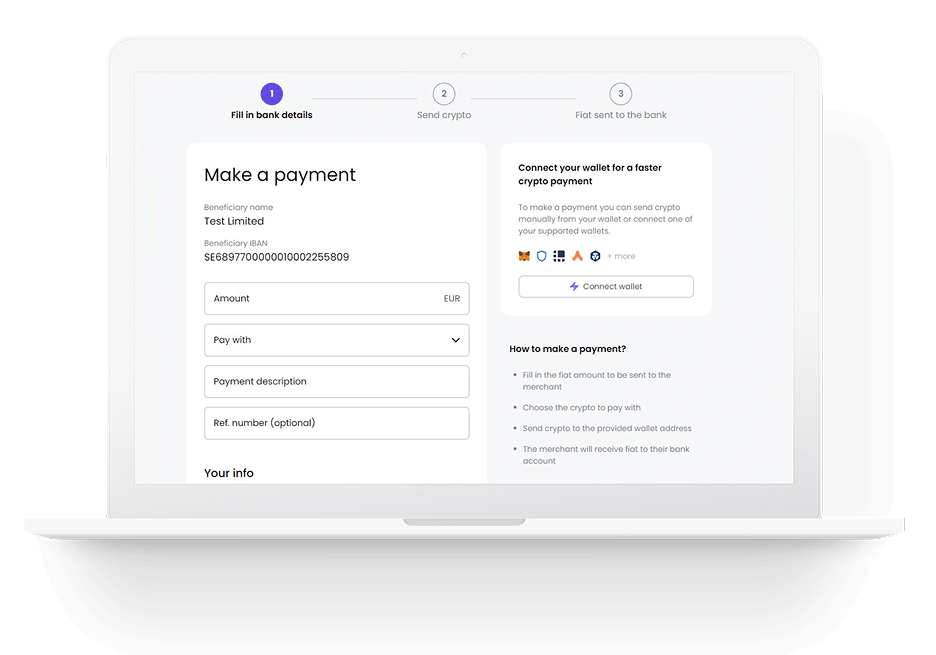
The value of one-click stablecoin checkout lies in reducing friction. Evaluate whether the SDK supports hosted, embedded, or headless flows. Providers like Crossmint enable users to buy digital assets with credit cards without a wallet, significantly lowering the barrier to entry for non-crypto-native consumers.
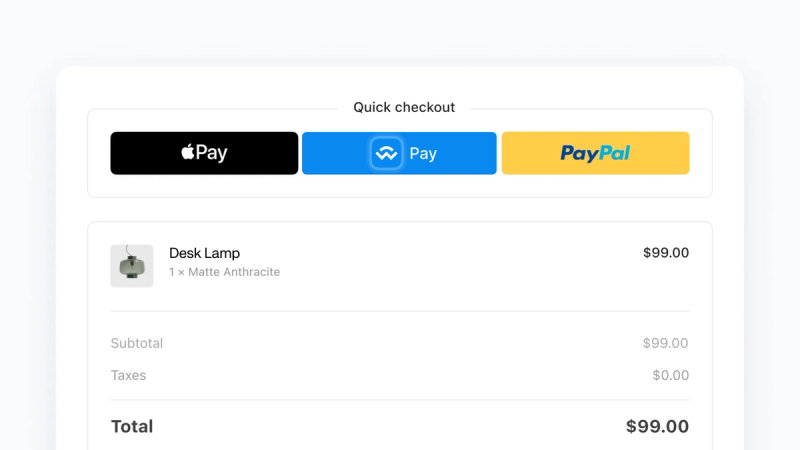
Review the SDK’s error handling and retry mechanisms. Stablecoin transactions can face network congestion. A robust integration must handle failed transactions gracefully and provide clear status updates to the user. Check if the provider offers a sandbox environment that mirrors mainnet conditions accurately.
| Provider | Settlement | User Flow |
|---|---|---|
| Checkout.com | Fiat via Fireblocks | Hosted/Embedded |
| Crossmint | Crypto/Fiat options | Headless/Embedded |
| BVNK | Stablecoin native | API-driven |
No comments yet. Be the first to share your thoughts!