
The state of one-click stablecoin checkout
One-click stablecoin checkout has moved from experimental pilot programs to enterprise-grade infrastructure. The shift is no longer driven by niche crypto-native startups but by legacy payment processors integrating native support for digital assets into existing merchant dashboards. This transition lowers the barrier for adoption, allowing traditional retailers to accept payments in stablecoins without building custom blockchain integrations from scratch.
The market reality is defined by partnerships between established fintech firms and blockchain infrastructure providers. For instance, Checkout.com, a major global payment processor, has enabled stablecoin acceptance for eligible enterprise merchants through partnerships with Coinbase and Fireblocks. This approach allows merchants to settle payments in USDC while maintaining the familiar compliance and reporting frameworks they already use for fiat transactions.
This integration model addresses the primary friction point for merchants: volatility and complexity. By using stablecoins pegged to fiat currencies, businesses can access the speed and lower cost of blockchain settlements without exposure to the price swings of assets like Bitcoin or Ethereum. The result is a checkout experience that feels instant to the consumer and settles quickly for the merchant, bridging the gap between traditional e-commerce and decentralized finance.
As these capabilities become standard features in major payment gateways, the distinction between "crypto payments" and "standard checkout" continues to blur. For merchants, the focus is shifting from whether to accept stablecoins to how to configure one-click flows that maximize conversion rates while minimizing friction.
The technical flow of one-click stablecoin checkout
One-click stablecoin checkout transforms the traditional payment experience by removing the friction of manual transactions. Instead of copying addresses or waiting for blockchain confirmations, the system handles the complexity in the background. The merchant receives a guaranteed fiat-equivalent amount, while the customer experiences the speed and low cost of stablecoin transfers.
Wallet connection and signature
The process begins when the customer selects the stablecoin payment option. A secure wallet connection initiates, allowing the merchant’s interface to request permission to view the user’s balance and initiate a transaction. Unlike traditional card payments that require entering CVV codes or billing addresses, this step relies on cryptographic signatures.
The customer signs a message or transaction request using their private key. This signature proves ownership of the funds without exposing sensitive account details to the merchant. It is a non-custodial action, meaning the merchant never holds the customer’s private keys or funds. This signature is then broadcast to the blockchain network for validation.
Instant settlement and volatility protection
Once the signature is verified, the stablecoin transfer is executed on-chain. Because stablecoins are pegged to fiat currencies like the US dollar, their value remains relatively stable during the transaction window. This eliminates the volatility risk associated with assets like Bitcoin or Ethereum.
The merchant’s payment processor instantly converts the received stablecoin into fiat currency or holds it in a stable asset. This conversion happens through liquidity providers or automated market makers, ensuring the merchant is not exposed to market fluctuations. The result is a checkout experience that feels as fast as a credit card swipe but operates on the efficiency of blockchain technology.
Comparing top stablecoin payment SDKs
Choosing the right infrastructure provider depends on your existing tech stack and settlement preferences. The three leading stablecoin payment SDKs—Checkout.com, TransFi, and Crossmint—offer distinct approaches to integrating one-click crypto checkout. Each platform balances ease of integration against settlement speed and supported blockchain networks.
Checkout.com
Checkout.com provides a stablecoin acceptance layer designed for enterprise merchants already using its fiat processing infrastructure. By partnering with Coinbase, Checkout.com allows eligible merchants to accept stablecoin payments from consumers while settling in fiat currency. This approach minimizes volatility risk and simplifies accounting for traditional finance teams. Integration requires enterprise-level onboarding, making it best suited for large-scale operations with dedicated compliance resources.
TransFi
TransFi focuses on e-commerce stores seeking quick integration with minimal engineering overhead. Their solution offers one-click integrations, multi-currency support, and AI-powered smart routing to optimize transaction paths. TransFi’s platform is designed to handle crypto at checkout without requiring merchants to manage wallet infrastructure or liquidity. Settlement options include both fiat and stablecoin payouts, giving merchants flexibility in how they hold or convert revenue.
Crossmint
Crossmint positions itself as an all-in-one stablecoin payments platform for enterprises and fintechs. Their infrastructure supports integration into various product flows, including wallets, onramps, cards, and staking features. Crossmint’s modular architecture allows developers to embed stablecoin payments into existing applications with API-first design. The platform supports multiple blockchain networks and offers customizable settlement options, making it suitable for fintech products requiring deep crypto integration.
Feature Comparison
The table below compares key integration and settlement metrics for each provider. Settlement speed refers to the time from consumer payment to merchant funds availability. Supported chains indicate the primary blockchain networks each SDK currently supports for stablecoin transactions.
| Provider | Settlement Speed | Supported Chains | Merchant Onboarding |
|---|---|---|---|
| Checkout.com | T+1 (fiat) | Ethereum, Polygon | Enterprise only |
| TransFi | Real-time | Ethereum, BSC, Polygon | Standard e-commerce |
| Crossmint | Real-time | Ethereum, Solana, Polygon, Base | API-first, modular |
Settlement Risks and Compliance Checks
Integrating stablecoin payments introduces a distinct set of operational hazards that differ sharply from traditional fiat processing. The primary concern is the irreversible nature of blockchain transactions. Once a customer confirms a payment, the funds move instantly and cannot be reversed. This permanence eliminates the standard chargeback protections merchants rely on to recover from fraud or disputed goods, shifting the liability burden entirely onto the merchant if verification fails.
Compliance with regulatory frameworks is equally critical. Merchants must implement robust Know Your Customer (KYC) and Anti-Money Laundering (AML) checks to avoid legal penalties. Relying on unverified payment gateways can expose your business to sanctions violations or frozen assets. It is essential to partner with providers that offer built-in compliance tools and transparent audit trails.
Verification of your payment processor’s official status is non-negotiable. Major financial institutions like Checkout.com have partnered with specialized security firms such as Fireblocks to handle USDC settlements, demonstrating the industry standard for secure, compliant infrastructure. Always verify that your provider maintains these official partnerships and adheres to current financial regulations to protect your business from settlement risks.
Steps to integrate one-click stablecoin checkout
Integrating one-click stablecoin checkout transforms how merchants handle payments by replacing traditional gateways with direct blockchain settlement. This workflow guides developers through the essential stages, from selecting infrastructure to going live. The process prioritizes security and user experience, ensuring that transactions are fast, low-cost, and compliant with current financial standards.

Start by evaluating platforms that offer native stablecoin support. Providers like TransFi or Crossmint supply the necessary APIs to handle wallet connections and transaction routing. Look for solutions that support major stablecoins such as USDC or USDT on low-fee networks like Solana or Polygon to minimize costs for both you and your customers.
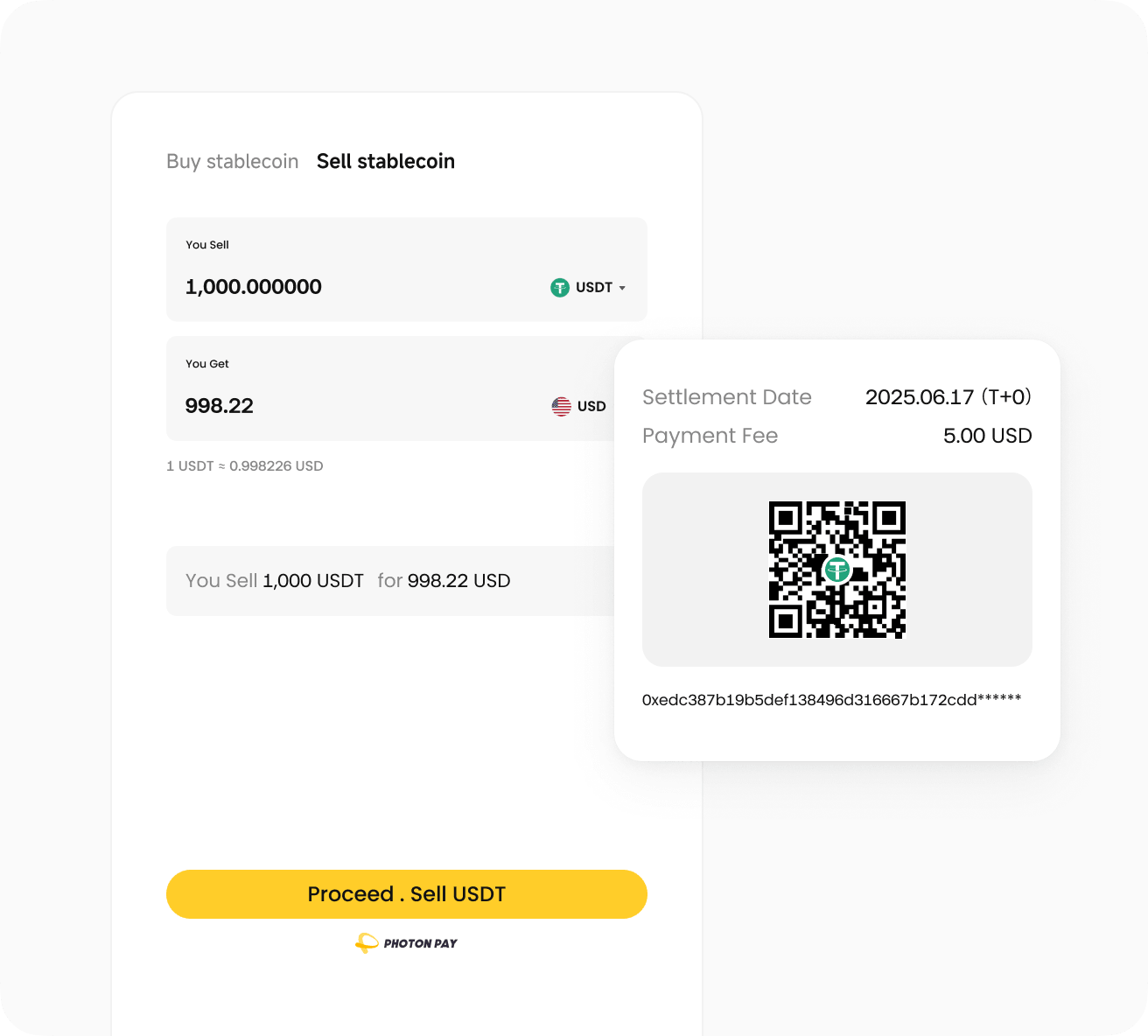
Register for a merchant account on your chosen platform. You will need to generate API keys to connect your e-commerce backend to the payment processor. Ensure you configure your environment variables securely, separating test credentials from live production keys to prevent accidental exposure during development.
Embed the provider’s SDK into your storefront. This typically involves adding a small code snippet to your cart page that triggers a wallet connection modal. The SDK handles the complex logic of signing transactions and broadcasting them to the blockchain, allowing for a seamless "one-click" experience for users with existing wallets.

Set up webhook endpoints on your server to listen for transaction events. When a customer pays, the blockchain network will confirm the transaction, and the provider will send a webhook to your server. Your system should update the order status to "paid" only after receiving this confirmation, ensuring you do not ship goods before funds are secured.
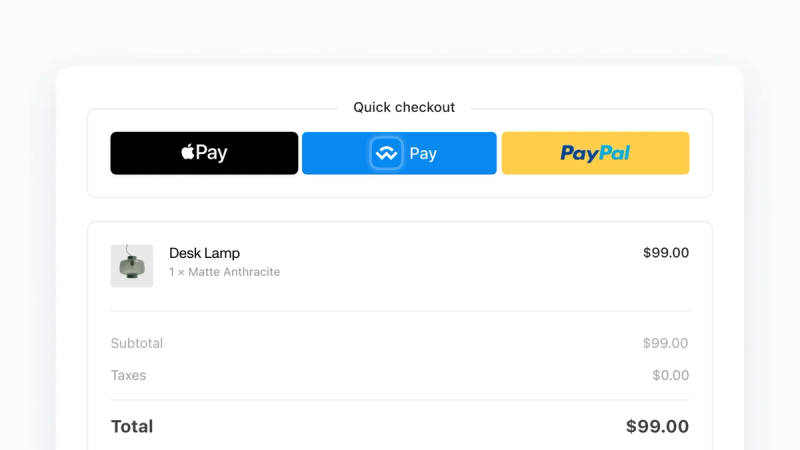
Use the provider’s testnet environment to simulate real transactions. Verify that the checkout flow works across different browsers and mobile devices. Check that webhooks correctly update your database and that error handling is robust. Only move to mainnet once you have confirmed that the entire flow, from click to settlement, functions without issues.
No comments yet. Be the first to share your thoughts!