
Why stablecoins win at checkout
Traditional fiat gateways often treat international or even domestic payments as a series of intermediaries, each taking a cut and adding delay. Stablecoins remove that friction. By pegging value to a familiar asset like the US dollar, they offer the speed of crypto settlement with the price stability of fiat. This combination solves the two biggest headaches for merchants: unpredictable volatility and slow finality.
With traditional credit card processing, funds can take days to settle, and chargebacks remain a constant risk. Stablecoin transactions are final in seconds. Once the blockchain confirms the transfer, the money is yours. There is no waiting period for clearing houses, and no risk of a customer reversing the payment days later. This immediacy improves cash flow and reduces the administrative burden of dispute resolution.
Cost is the other major driver. Credit card fees typically range from 1.5% to 3.5% per transaction, plus fixed network fees. Stablecoin payments, particularly on efficient networks like Polygon, can cost fractions of a cent. This margin preservation is significant for low-ticket items or high-volume businesses where every basis point counts.
To understand the stability advantage, compare USDC against a volatile asset like Bitcoin. While Bitcoin can swing 5-10% in a single day, USDC remains anchored to the dollar.
This stability means you don’t need to convert crypto to fiat immediately to protect your revenue. You can hold stablecoins, spend them directly, or convert them at your convenience, all without worrying that your daily sales volume has dropped 20% because the market turned. For merchants, this predictability is the foundation of a viable crypto checkout strategy.
Top SDKs for one-click integration
Choosing the right SDK for one-click stablecoin checkout depends on your existing infrastructure and target audience. The market has consolidated around three primary approaches: hosted checkout flows for non-crypto-native users, embedded wallet solutions for seamless UX, and direct blockchain integrations for low-cost, high-volume transactions. Below is a comparison of the leading platforms to help you select the right fit.

Platform Comparison
The table below compares the core features of Crossmint, Polygon Pay, and TransFi. These metrics reflect current public documentation as of 2026.
| Provider | Integration Type | Supported Chains | Fee Model |
|---|---|---|---|
| Crossmint | Hosted & Embedded | Ethereum, Polygon, Solana, BNB | Transaction fee + spread |
| Polygon Pay | Embedded SDK | Polygon PoS, Polygon zkEVM | Near-zero gas fees |
| TransFi | Headless API | Multi-chain (AI routed) | Per-transaction fee |
Crossmint: Best for Non-Crypto Users
Crossmint excels at abstracting away the complexity of blockchain for merchants who want to accept crypto without managing wallets. Their "Digital Asset Checkout" API allows customers to pay with credit cards while the merchant receives stablecoins, or to pay directly with crypto using embedded wallets that auto-create on first use. This hosted model reduces development time significantly, as Crossmint handles the backend custody and compliance layers. It is ideal for merchants who prioritize ease of integration over maximum fee savings.
Polygon Pay: Best for Low-Cost Transactions
Polygon Pay offers a specialized SDK designed for merchants who want to leverage the speed and low cost of the Polygon network. By integrating Polygon Pay, merchants can offer instant settlement in stablecoins like USDC or USDT with transaction fees that are fractions of a cent. The embedded SDK provides a native wallet experience for users, reducing friction compared to traditional crypto checkout flows. This option is best for high-volume, low-margin businesses where transaction fees directly impact profitability.
TransFi: Best for Multi-Chain Flexibility
TransFi provides a headless API solution that supports one-click integrations across multiple blockchains. Its key differentiator is AI-powered smart routing, which automatically selects the most efficient chain and stablecoin pair for each transaction to minimize costs and maximize speed. This flexibility allows merchants to support a broader range of customers who may hold assets on different networks. TransFi is particularly useful for global e-commerce stores that need to adapt to varying regional crypto preferences.


As an Amazon Associate, we may earn from qualifying purchases.
Fixing trust gaps before launch
Integrating a one-click stablecoin checkout is the easy part. Operating it safely is where most merchants fail. Without a clear plan for refunds, compliance, and security, a successful payment gateway can quickly become a liability. You need to fix these operational gaps before you go live.
Stablecoins are irreversible. If a customer disputes a charge or sends funds to the wrong address, you cannot simply "reverse" the transaction like a credit card. Define exactly how you will handle refunds: will you send the same stablecoin, convert to fiat, or offer store credit? Document this policy and make it visible at checkout to manage customer expectations.
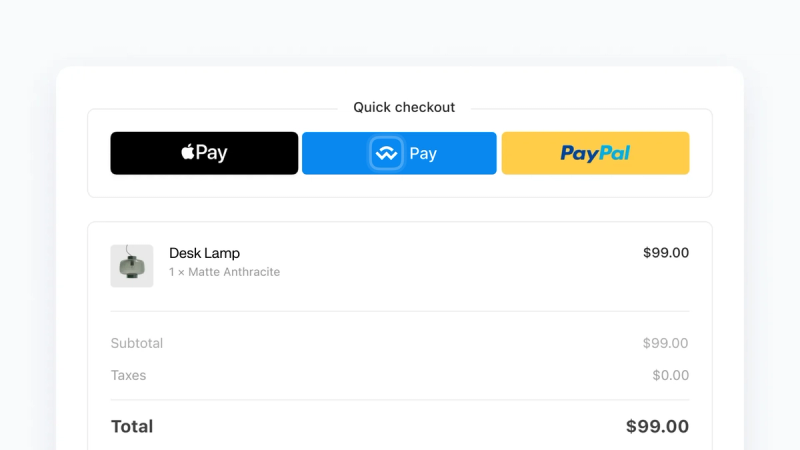
Stablecoin payments often trigger anti-money laundering (AML) and know-your-customer (KYC) obligations. Consult a legal expert to determine if your jurisdiction treats these transactions as money transmission. Even if you use a third-party processor, you remain responsible for the funds you hold. Ensure your terms of service explicitly address crypto-related liabilities.
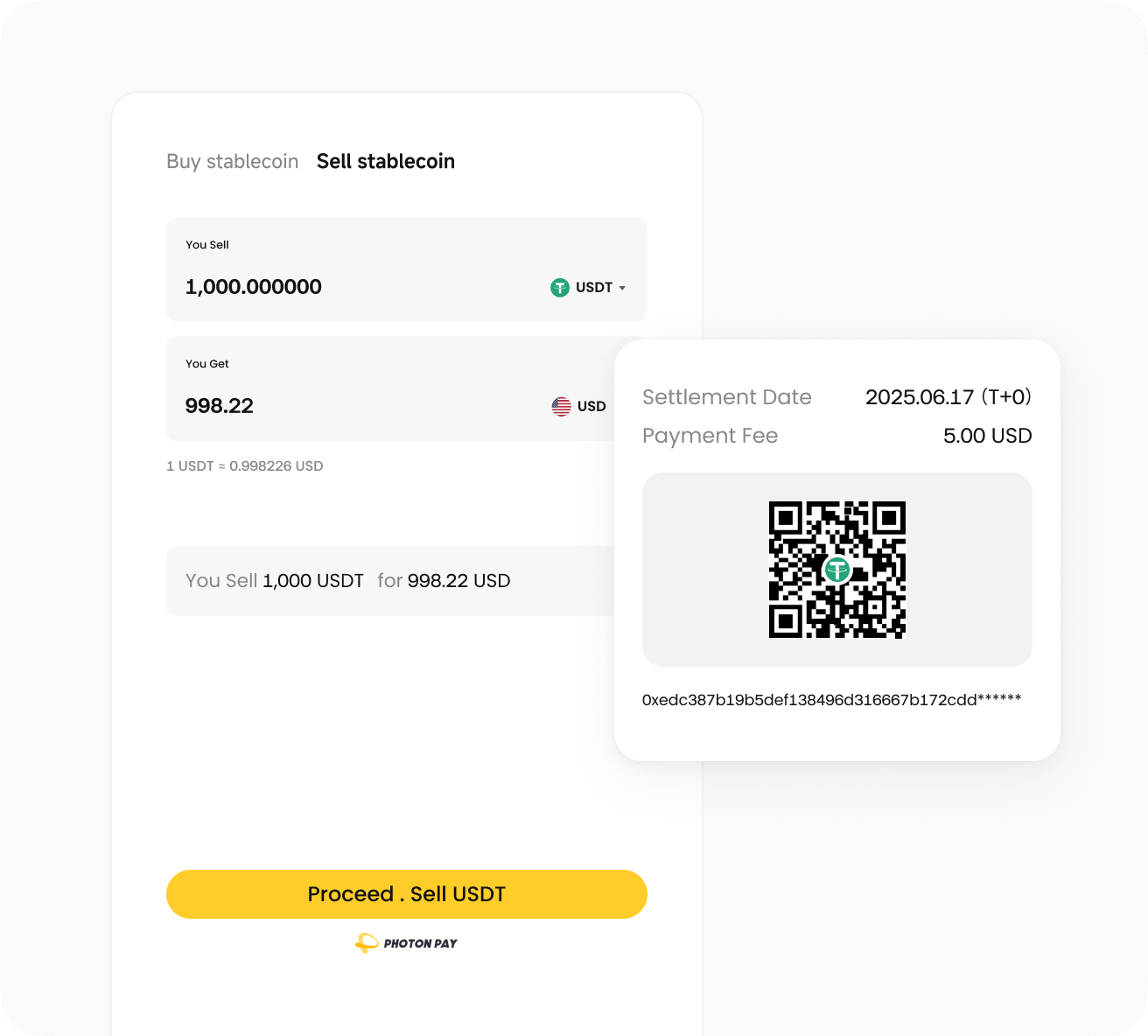
Your hot wallet is the most vulnerable point in your stack. Use multi-signature wallets for any funds that must be held on-site. If possible, route transactions through a custodial service that provides insurance against theft. Never store private keys in plain text or share them with employees who do not strictly need access.

Your support team needs to understand stablecoin mechanics. They should know how to verify a transaction on the blockchain, how to identify scam addresses, and how to communicate with customers who are unfamiliar with crypto. Create a knowledge base with FAQs about confirmation times and network fees to reduce ticket volume.

Before opening checkout to the public, run a series of test transactions using small amounts. Verify that your accounting software correctly logs the transaction, that your inventory updates in real-time, and that your refund process works end-to-end. This step catches integration bugs before they cost you real money.
Addressing these five areas transforms your stablecoin checkout from a risky experiment into a reliable revenue stream. Trust is built on preparation, not just technology.
How one-click stablecoin checkout lifts conversion rates
Removing friction at the payment stage is the most direct lever for increasing sales. Traditional crypto checkout flows often require users to copy addresses, select networks, and confirm multiple transaction details. This manual effort creates a high drop-off point, particularly for first-time buyers who are unfamiliar with the mechanics of blockchain transfers. By implementing a one-click stablecoin checkout, you eliminate these steps, allowing the transaction to proceed with the same speed as a credit card tap.
The impact of this simplification is measurable. According to data analyzed by CentralPay, simplifying the payment process mechanically increases conversion rates. When a customer can pay with USDC in a single step, the cognitive load drops significantly. This mirrors the success seen in fiat e-commerce, where Stripe notes that optimized, pre-built payment forms reduce abandonment by removing unnecessary form fields and redirections. Stablecoin one-click checkout applies this same principle to the decentralized economy.
Stablecoins provide the necessary price stability to make this frictionless experience viable. Unlike volatile cryptocurrencies, stablecoins maintain a predictable value, removing the fear of price swings during the checkout process. This stability, combined with the speed of one-click execution, creates a seamless path to purchase. Merchants who adopt this method often see a direct correlation between reduced checkout time and higher completed transaction volumes, as customers are less likely to abandon their carts due to technical hesitation or confusion.
No comments yet. Be the first to share your thoughts!