
Why merchants need one-click stablecoin checkout
Traditional payment rails are struggling to keep pace with the speed of modern commerce. Cross-border transactions that once took days to clear are now expected to happen in seconds, yet the underlying infrastructure often relies on legacy banking systems that introduce friction, high fees, and significant risk. For merchants operating globally, this disconnect is not just an inconvenience; it is a direct threat to margin and customer satisfaction.
Stablecoins offer a structural alternative by pegging digital currency to fiat assets, providing the stability of traditional money with the efficiency of blockchain networks. Integrating one-click stablecoin checkout solutions allows merchants to bypass the multi-day settlement cycles of card networks and wire transfers. Instead of waiting for funds to settle, businesses receive near-instant confirmation, freeing up working capital and reducing the administrative burden of reconciliation.
The cost advantage is equally compelling. While traditional processors charge percentage-based fees that erode profits on small transactions, stablecoin networks can process payments for pennies. This shift transforms the economics of international trade, making micro-transactions and low-value goods viable across borders without the prohibitive overhead of currency conversion and intermediary bank fees.
Beyond cost and speed, one-click checkout addresses the global reach problem. By accepting stablecoins, merchants can tap into markets where traditional banking infrastructure is underdeveloped or inaccessible. This opens new customer bases without the need for complex local banking partnerships or expensive merchant accounts in every jurisdiction.
The risk of volatility, often cited as a barrier to adoption, is mitigated by the stablecoin’s peg. However, merchants must still manage the operational risk of integrating these technologies. Choosing the right SDK is critical to ensuring that the transition from fiat to crypto is seamless for the end-user while maintaining compliance and security standards. The goal is not just to accept crypto, but to make it indistinguishable from a traditional payment method in terms of user experience.
Volt: Unified fiat and stablecoin rails
Volt addresses the fragmentation between traditional banking infrastructure and the emerging stablecoin economy by unifying both payment methods on a single, secure checkout layer. This approach allows merchants to accept regulated stablecoins alongside fiat currencies without managing separate settlement accounts or complex reconciliation processes. By treating stablecoins as a native payment rail rather than a speculative asset, Volt reduces the operational friction that has historically limited mainstream adoption.
The platform’s real-time payment network ensures that transactions settle instantly, providing merchants with immediate liquidity and reducing the risk of chargebacks associated with traditional card networks. For high-stakes commerce, this speed and certainty are critical. The system is designed to handle the volatility and regulatory nuances of stablecoins, ensuring that merchants receive the equivalent value in their preferred currency, whether that is USD, EUR, or a regulated stablecoin like USDC.
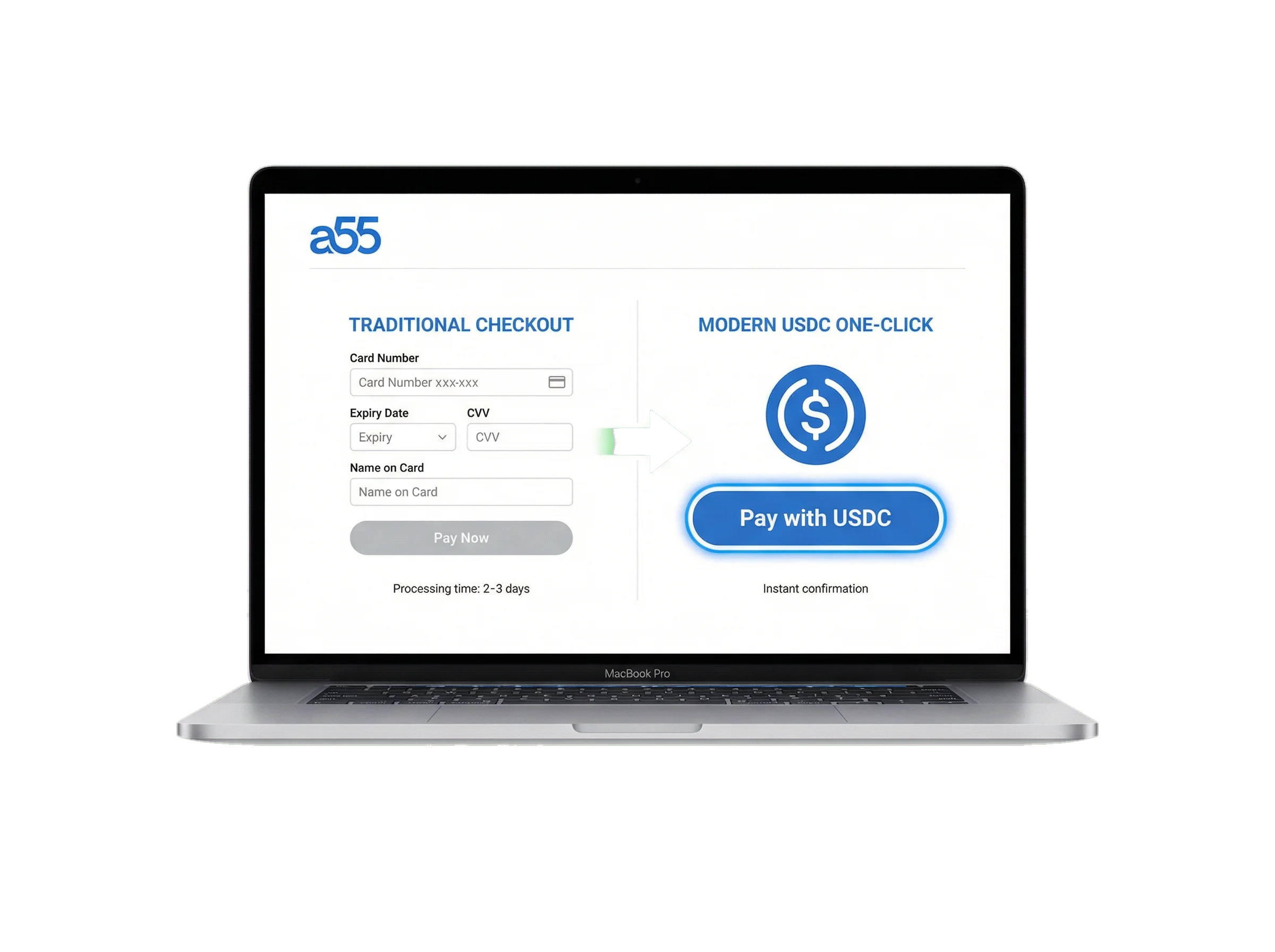
Beyond the checkout interface, Volt is building a unified merchant treasury solution. This feature allows businesses to manage their digital and traditional assets in one place, optimizing cash flow and reducing the need for multiple banking relationships. As the stablecoin market matures, such unified treasury capabilities will become essential for merchants seeking to leverage the efficiency of blockchain technology while maintaining compliance and financial stability.
Checkout.com: Enterprise stablecoin acceptance
Checkout.com has moved stablecoin payments from experimental to enterprise-ready through a strategic partnership with Coinbase. This integration allows eligible large-scale merchants to accept stablecoin payments directly, converting crypto transactions into fiat settlements. The architecture is designed to handle high-volume global demand while maintaining the regulatory compliance expected in traditional finance.
For enterprise merchants, the primary value lies in risk mitigation. Stablecoin volatility is neutralized at the point of sale, allowing businesses to capture crypto-native consumers without exposing their balance sheets to market fluctuations. The Checkout.com and Coinbase partnership provides the necessary liquidity and compliance infrastructure to make this viable for major retailers.
| Feature | Checkout.com | Standard Crypto Gateway |
|---|---|---|
| Settlement | Instant fiat conversion | Delayed or crypto-only |
| Compliance | Enterprise-grade KYC/AML | Varies by provider |
| Integration | Unified payment API | Separate crypto ledger |
| Scale | High-volume global | Limited volume |
This approach distinguishes Checkout.com from smaller crypto payment processors that lack the institutional backing required for Fortune 500 adoption. By leveraging Coinbase’s regulatory standing, Checkout.com offers a "one-click" experience that feels familiar to merchants while unlocking the efficiency of blockchain settlement. The result is a payment rail that operates at the speed of crypto with the safety of traditional banking.
Polygon Pay: Low-Fee Instant Settlements
Polygon Pay addresses the two most persistent friction points in crypto commerce: cost and time. By routing transactions through Polygon’s Layer 2 infrastructure, merchants can accept stablecoins with settlement times averaging five seconds and fees reduced to fractions of a cent. This efficiency transforms stablecoins from speculative assets into viable settlement layers for daily operations.
The economic advantage is significant for high-volume, low-margin transactions. Traditional card processing fees often range from 1.5% to 3.5%, eroding thin margins on small-ticket items. Polygon Pay’s structure allows merchants to retain more revenue while offering customers the speed of digital payments without the volatility risk associated with native cryptocurrencies like Bitcoin or Ethereum.
For merchants evaluating SDK integration, the primary consideration is the balance between decentralization and user experience. Polygon Pay’s architecture is designed to abstract the underlying blockchain complexity, presenting a familiar checkout flow to end-users while ensuring the backend handles the heavy lifting of consensus and finality. This approach minimizes cart abandonment caused by transaction delays or confusing wallet interactions.
Official documentation from Polygon emphasizes the scalability benefits of this Layer 2 solution, noting that it can handle thousands of transactions per second without congesting the main Ethereum network. This capacity ensures that checkout systems remain responsive even during periods of high market activity, providing a reliable foundation for e-commerce platforms aiming to scale globally.
Eco: Programmable money and gasless UX
Eco distinguishes itself by treating stablecoins not merely as a settlement layer, but as programmable money. The platform provides developers with global stablecoin balances and dedicated deposit addresses, enabling a user experience that mirrors traditional fintech while operating on-chain. The primary value proposition is the elimination of friction: users execute single-click, gasless transactions, removing the need for native gas tokens or complex wallet approvals.
This approach addresses a critical barrier to entry for mainstream adoption. By abstracting away gas fees and transaction complexity, Eco allows merchants and platforms to accept stablecoins with the same ease as fiat. The SDK simplifies the integration of these capabilities, ensuring that the backend logic handles the complexities of cross-chain settlements and liquidity routing transparently.
For developers, the programmability of Eco’s stablecoins opens avenues for conditional payments and automated escrow. However, high-stakes environments demand rigorous security audits. The reliance on smart contracts for gasless execution introduces attack surfaces that must be meticulously managed. While the UX is seamless, the underlying risk profile requires careful consideration of the SDK’s security model and the custodial nature of the balances.
Choosing the right stablecoin checkout solution
Selecting an SDK is not merely a technical decision; it is a risk management exercise. Merchants must align their choice with their specific operational footprint, focusing on three non-negotiable pillars: regulatory compliance, settlement currency, and integration complexity.
Compliance is the primary filter. Stablecoin regulations vary significantly by jurisdiction, with some regions imposing strict reserve requirements while others remain unregulated. Your SDK provider must offer built-in compliance features, such as automated KYC/AML checks and transaction monitoring, to mitigate legal exposure. Relying on a provider that ignores local regulatory landscapes can result in frozen funds or operational shutdowns.
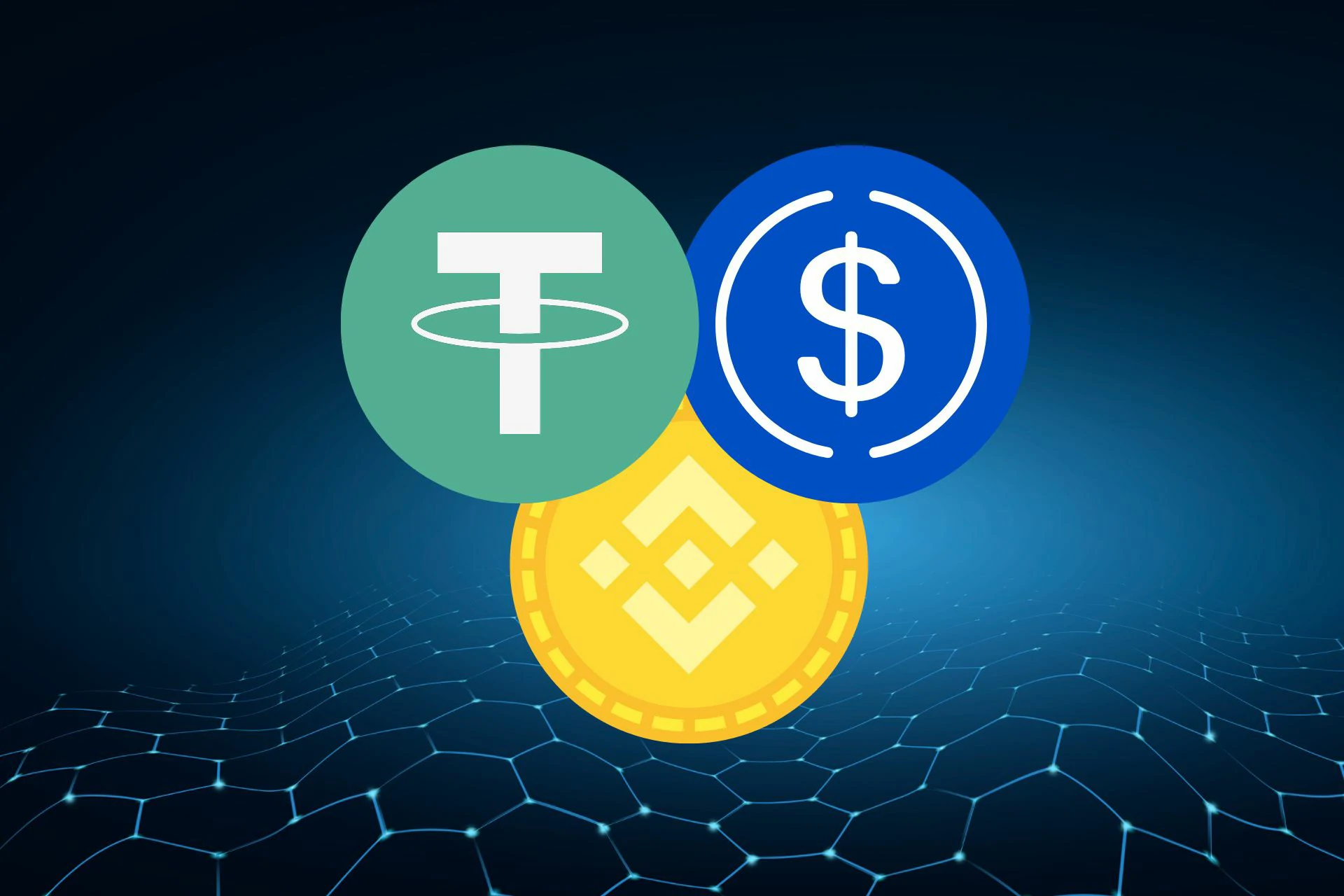
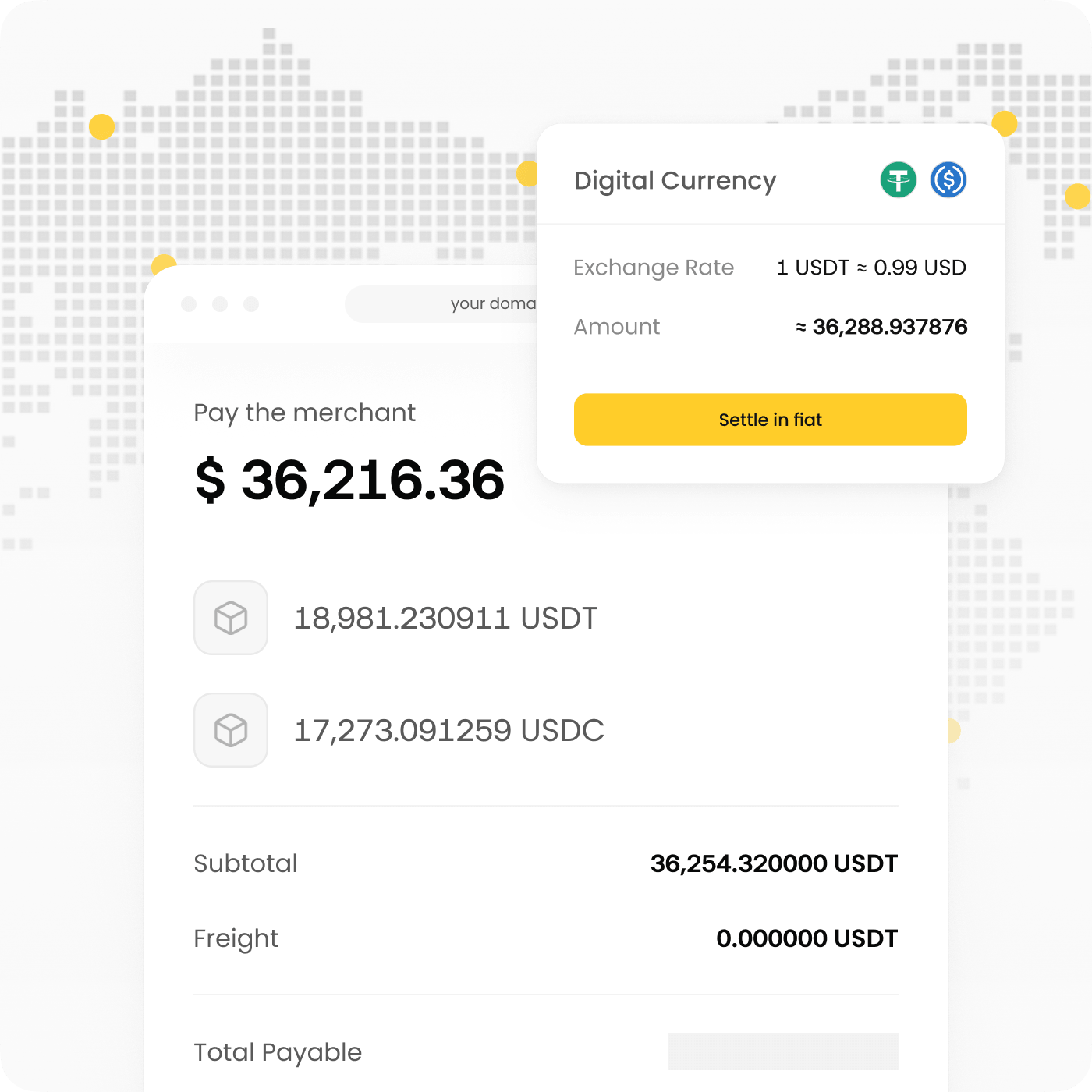
The currency you receive matters as much as the currency you accept. Some SDKs settle immediately in fiat, shielding you from volatility. Others settle in stablecoins, requiring you to manage on-chain risks. For businesses operating in high-inflation environments, stablecoin settlement may be preferable. However, for most traditional merchants, fiat settlement provides the financial stability needed for accurate accounting and tax reporting.
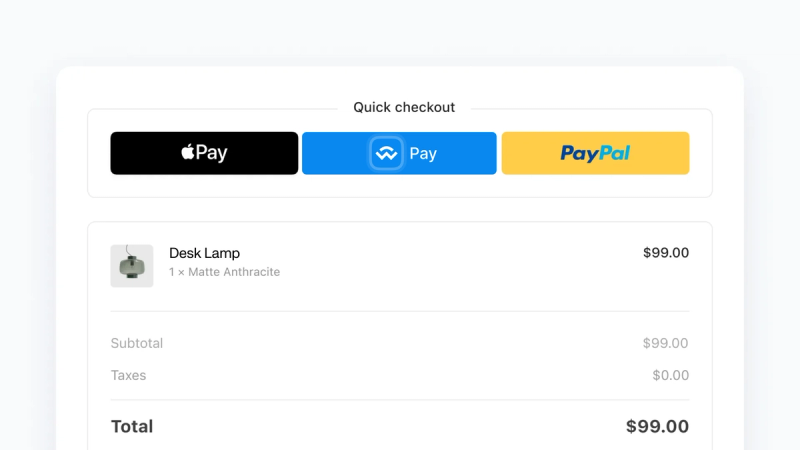
Integration depth determines your time-to-market. Lightweight SDKs that rely on API redirects are faster to deploy but offer less control over the user experience. Native SDKs provide a seamless, embedded checkout flow but require significant engineering resources to maintain. Choose the architecture that matches your team’s capacity and your brand’s need for a frictionless payment experience.
Beyond the obvious transaction fees, scrutinize the cost of currency conversion, withdrawal, and inactivity. Some providers charge hidden spreads on fiat-to-crypto conversions. A transparent fee structure is essential for maintaining healthy margins. Always request a full breakdown of all potential costs, including those triggered by failed transactions or cross-chain swaps.
Robust documentation and responsive technical support are critical for troubleshooting. Look for providers with comprehensive SDKs, clear API references, and active developer communities. Poor support can lead to prolonged downtime during critical sales periods. Prioritize vendors that offer dedicated technical assistance and regular updates to their integration tools.
KeyTakeaways items=["Compliance features are mandatory for risk mitigation","Fiat settlement reduces volatility exposure","Native SDKs offer better UX but require more engineering effort"]
Frequently asked questions about stablecoin checkout
Stablecoin integration is no longer experimental; it is a standard payment rail. However, the mechanics differ significantly from traditional fiat gateways. Understanding the underlying infrastructure is essential for developers and businesses aiming to minimize friction and risk.
These protocols rely on smart contracts to automate settlement. Unlike card networks that hold funds in escrow for days, stablecoin settlements are final. This speed reduces counterparty risk but requires careful handling of private keys and network fees.
No comments yet. Be the first to share your thoughts!