
Picking the right stablecoin checkout SDK
Choosing a stablecoin checkout SDK is less about finding the fastest blockchain and more about matching the tool to your existing payment stack. In 2026, the market has shifted from experimental crypto wallets to integrated solutions that sit alongside traditional fiat gateways. The right SDK should feel invisible to the shopper, processing the conversion and settlement in the background while you focus on your core business metrics.
The primary constraint for most merchants is not the token itself, but the settlement layer. You need an SDK that handles the volatility risk and ensures you receive fiat or a stablecoin directly into your operating account. Look for providers that offer native mobile SDKs for iOS and Android, as well as web components that integrate seamlessly with your current checkout flow. Solutions like Checkout.com’s stablecoin settlement bridge demonstrate how to add Web3 liquidity without rebuilding your entire treasury infrastructure.
When evaluating options, prioritize ease of integration and compliance features. The best SDKs provide clear documentation, sandbox environments for testing, and automated reporting for tax and accounting purposes. Avoid tools that require you to manage private keys or handle complex on-chain interactions directly. Instead, opt for hosted checkout experiences or API-first solutions that abstract away the blockchain complexity. This approach reduces development time and minimizes the risk of costly errors during the checkout process.
Stablecoin checkout sdk choices that change the plan
Use this section to make the Why Is the Year of Instant Fiat-to-Stablecoin Checkout decision easier to compare in real life, not just on paper. Start with the reader's actual constraint, then separate must-have requirements from details that are merely nice to have. A practical choice should survive normal use, maintenance, timing, and budget. If a recommendation only works in an ideal situation, call that out plainly and give the reader a fallback path.
| Factor | What to check | Why it matters |
|---|---|---|
| Fit | Match the option to the primary use case. | A good deal still fails if it does not fit the job. |
| Condition | Verify age, wear, and service history. | Hidden condition issues erase upfront savings. |
| Cost | Compare purchase price with likely upkeep. | The cheapest option is not always the lowest-cost option. |
Choose the Right SDK for Your Stack
Selecting a fiat-to-stablecoin SDK is less about finding the "best" tool and more about matching the integration to your existing infrastructure. The market has split into two distinct categories: generalist payment processors that added stablecoin rails, and specialized blockchain-native SDKs built for on-chain settlement. Your choice depends on whether you prioritize merchant compliance or developer control.
1. Generalist Payment Processors
Platforms like Checkout.com have integrated stablecoin settlement to bridge traditional finance and Web3. These solutions are ideal if you already use their fiat processing and want to add crypto options without building custom infrastructure. They handle the conversion and compliance, acting as a middle layer. This approach reduces development time but means you trade some transparency for convenience.
Before building new, check if your current payment provider supports stablecoin settlement. Providers like Checkout.com offer SDKs that allow native mobile integration while handling the complex liquidity and compliance behind the scenes. This is the fastest path to launch if you prioritize speed over direct blockchain interaction.
2. Specialized Blockchain SDKs
Specialized tools like Eco or KryptoGo provide direct access to stablecoin networks. These SDKs are designed for developers who want to build custom checkout experiences, manage their own keys, or settle directly on-chain. They offer greater flexibility and lower fees but require more engineering effort to handle security, network selection, and user experience.
If your team has the capacity to manage on-chain logic, specialized SDKs offer better long-term value. They allow you to customize the checkout flow, choose specific stablecoins (USDC, USDT, DAI), and optimize for transaction speed. This path is recommended for projects where direct ownership of the payment experience is a competitive advantage.
3. Compare Integration Complexity
The final decision hinges on the trade-off between integration speed and operational control. Generalist processors offer a "plug-and-play" experience with higher fees and less customization. Specialized SDKs require more upfront development but provide lower costs and greater transparency. Map your team's technical bandwidth against your product's need for customization.
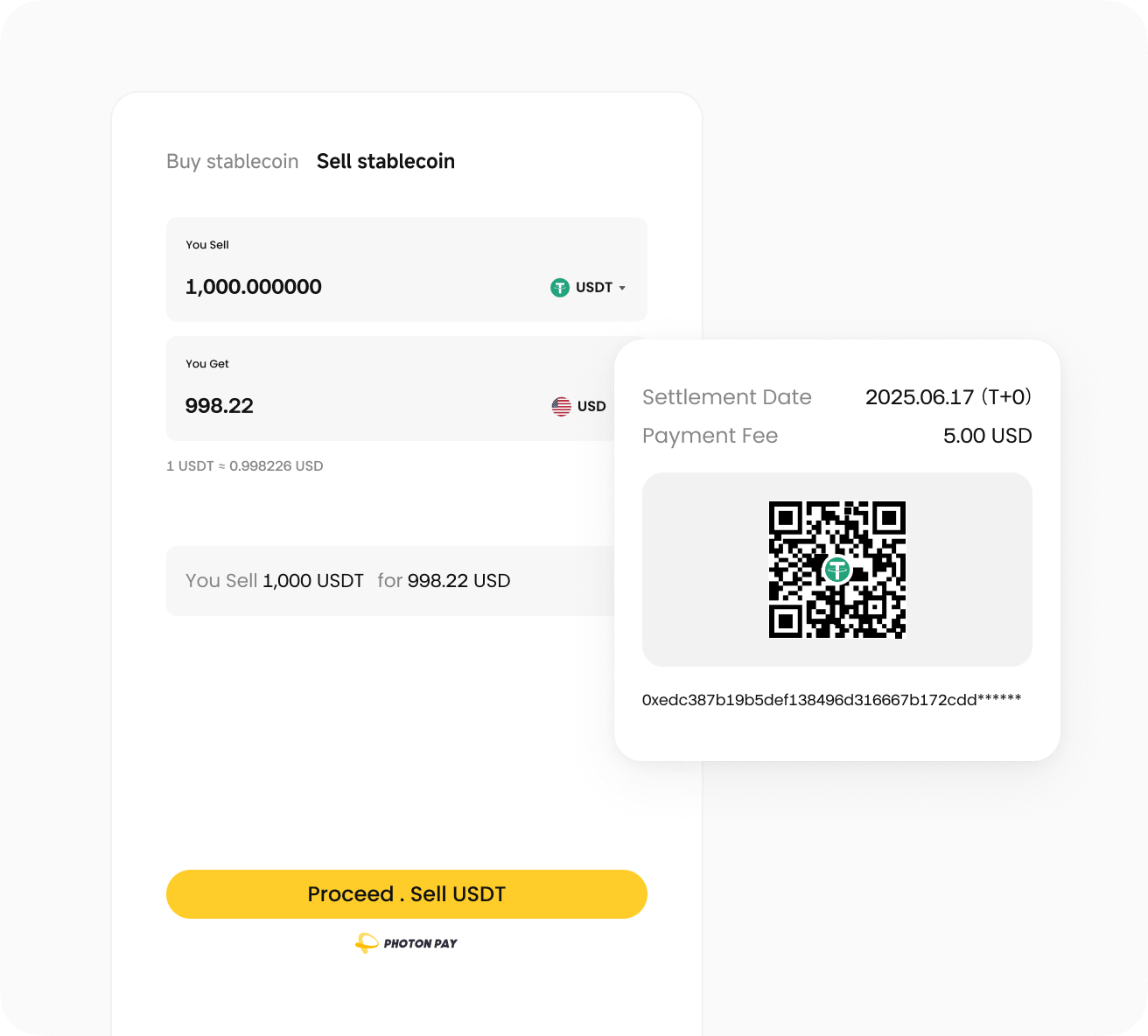
Test both approaches with a small-scale pilot. Integrate a generalist SDK to measure time-to-market and a specialized SDK to evaluate developer experience. This hands-on comparison will reveal which solution aligns best with your technical stack and business goals for 2026.
Spotting Weak Stablecoin Integrations
Not every "one-click" stablecoin checkout is built for production. Many SDKs promise instant fiat-to-stablecoin conversion but hide critical tradeoffs in their documentation. Before committing to a provider, check for these common pitfalls.
Hidden Network Fees
Some SDKs advertise zero platform fees but charge high gas fees on-chain. This often happens when the provider uses slower, cheaper networks like Tron or BSC for transactions. While cheaper than Ethereum, these networks can still face congestion during peak times, leading to failed settlements or delayed confirmations. Always verify which networks the SDK supports and whether the fees are passed directly to the user or absorbed by the merchant.
Limited Fiat On-Ramps
A robust SDK should offer multiple fiat on-ramp options. Weak integrations often rely on a single provider, which creates a single point of failure. If that provider experiences downtime or regulatory issues, your entire checkout flow stops. Look for SDKs that aggregate multiple liquidity providers to ensure redundancy and better exchange rates.
Poor Developer Experience
Many SDKs are marketed as "plug-and-play" but require significant custom coding for error handling and reconciliation. This increases development time and the risk of bugs. A truly seamless integration should provide clear error codes, comprehensive documentation, and sandbox environments for testing. Avoid SDKs that require you to build core infrastructure from scratch.
Compliance Gaps
Stablecoin transactions are subject to varying regulations depending on the jurisdiction. Weak SDKs may not include built-in compliance checks for KYC/AML, leaving you liable for regulatory violations. Ensure the provider offers robust compliance tools that can be easily integrated into your existing workflow.
Stablecoin checkout sdk: what to check next
Do I need a crypto wallet for customers?
Not necessarily. Modern one-click SDKs like Crossmint handle the complexity under the hood. They allow users to pay with credit cards or bank transfers while the SDK manages the backend stablecoin settlement. This approach removes the friction of wallet creation for the majority of consumers who are not yet crypto-native.
How fast is the settlement compared to traditional methods?
Stablecoin transactions settle in minutes rather than days. Traditional fiat rails often involve a multi-day clearing period, tying up your capital. With instant fiat-to-stablecoin checkout, funds are available almost immediately, improving cash flow and reducing the risk of chargebacks or failed transactions.
What about regulatory compliance and fees?
Reputable SDK providers embed compliance checks directly into the integration. They handle KYC (Know Your Customer) and AML (Anti-Money Laundering) screening, ensuring you stay compliant without building those systems from scratch. Fees are typically transparent, often lower than traditional credit card processing, with no hidden cross-border surcharges.
Can I integrate this into my existing e-commerce platform?
Yes. Most stablecoin SDKs offer plugins for major platforms like Shopify and WooCommerce, as well as headless APIs for custom builds. You can embed the payment option alongside traditional methods, allowing customers to choose their preferred currency at checkout without disrupting your current workflow.
No comments yet. Be the first to share your thoughts!