
Why stablecoins need one-click checkout
The stablecoin market has matured, yet merchant adoption remains stubbornly low. The bottleneck is no longer the underlying blockchain technology or the stability of the asset. It is the checkout experience. Current crypto payment flows require too many steps, creating friction that causes cart abandonment rates comparable to, or worse than, traditional credit card declines.
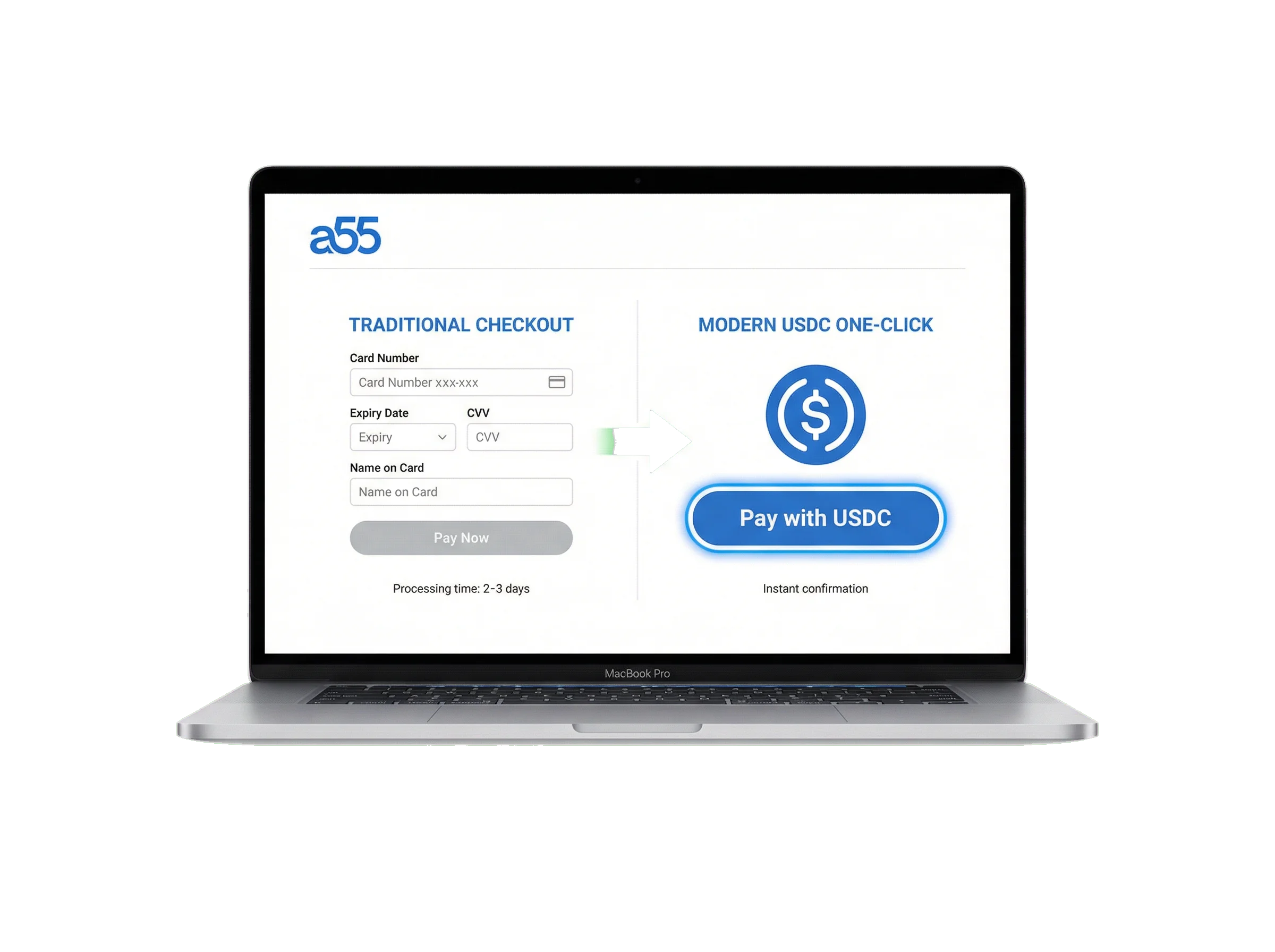
Traditional digital payments offer a "one-click" convenience that consumers expect. A customer enters their card details once and checks out in seconds. Crypto payments, by contrast, often require copying wallet addresses, selecting networks, waiting for confirmations, and manually approving transactions. This multi-step process is a barrier to mass adoption. Merchants lose sales because the payment method is too cumbersome for the average shopper.
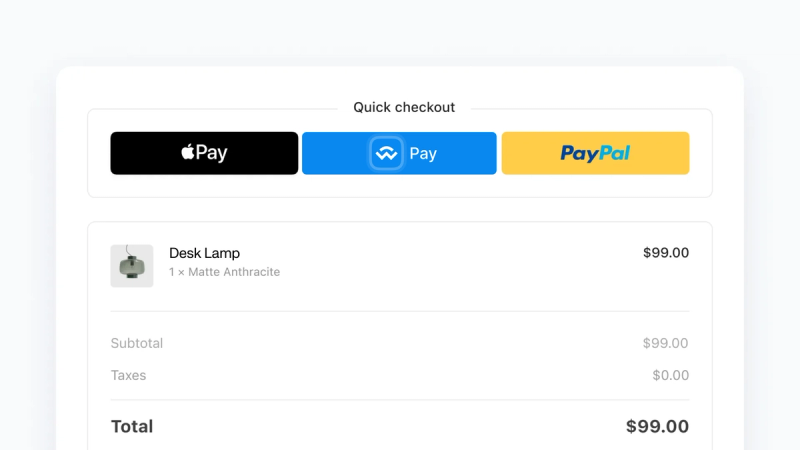
One-click SDKs solve this by abstracting the complexity. They allow merchants to embed crypto payments directly into their existing checkout flows, mimicking the simplicity of digital wallets. By reducing the number of clicks and automating the backend verification, these tools make stablecoin payments as seamless as traditional e-commerce. This shift is critical for turning stablecoins from a speculative asset into a practical utility for everyday transactions.
Top stablecoin checkout SDKs for 2026
Merchants entering the stablecoin economy have three distinct paths for integration, each balancing ease of adoption against technical control. The leading SDKs—Stripe, Checkout.com, and Polygon—offer different value propositions depending on whether the priority is seamless fiat conversion, enterprise-grade compliance, or raw transaction speed.
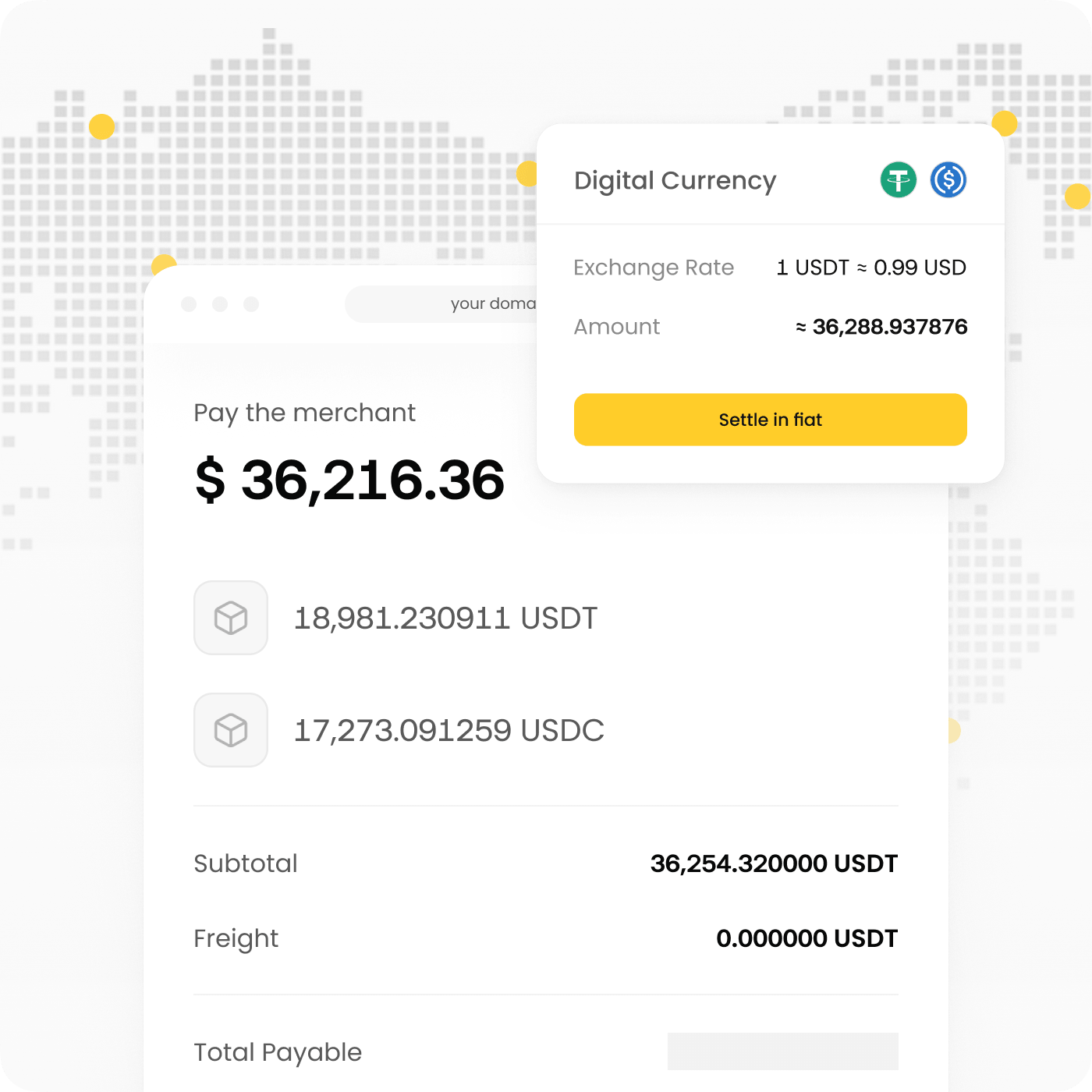
Stripe provides the lowest barrier to entry by treating stablecoins as a natural extension of existing payment flows. Their platform allows merchants to accept USDC and USDT with the same checkout interface used for credit cards. The key advantage is automatic settlement: Stripe converts incoming stablecoin payments into local fiat currency instantly, shielding the merchant from volatility. This approach is ideal for businesses that want to offer crypto payments without managing treasury risk or blockchain infrastructure. The integration requires minimal code changes, leveraging Stripe’s existing API structure to handle the conversion logic in the background [[src-serp-2]].
Checkout.com takes a different approach by partnering directly with Coinbase to offer stablecoin acceptance for enterprise clients. This solution is designed for high-volume merchants who need robust compliance and fraud detection tools. Unlike Stripe’s automatic fiat conversion model, Checkout.com allows merchants to hold stablecoin balances if they choose, providing greater liquidity management options. The partnership leverages Coinbase’s custodial infrastructure, ensuring that stablecoin transactions meet regulatory standards for large-scale commerce. This option is best suited for businesses already operating within the Coinbase ecosystem or those requiring specific enterprise-level risk controls [[src-serp-3]].
Polygon offers a fundamentally different architecture focused on speed and cost efficiency rather than fiat conversion. Their SDK enables merchants to accept stablecoins directly on the Polygon network, where transactions settle in approximately five seconds with fees often less than a cent. This model is ideal for merchants who want to retain stablecoin assets or serve a globally distributed customer base without currency conversion friction. By building on a layer-2 network, Polygon reduces the latency and cost barriers that have historically slowed crypto adoption. Merchants using this SDK must manage their own treasury or integrate with a third-party payment processor to convert funds to fiat, but they gain access to near-instant settlement and minimal transaction costs [[src-serp-5]].
The choice between these providers depends on the merchant’s risk tolerance and operational model. Stripe is the safest option for traditional businesses fearing volatility. Checkout.com suits enterprises needing deep compliance features. Polygon appeals to merchants prioritizing speed, low fees, and direct crypto settlement.
| Provider | Settlement | Supported | Eligibility |
|---|---|---|---|
| Stripe | Instant Fiat | USDC, USDT | Global |
| Checkout.com | Fiat or Stablecoin | USDC, USDT | Enterprise Only |
| Polygon | ~5 Seconds | USDC, USDT, DAI | Developers |
Technical integration and compliance
One-Click Stablecoin Checkout works best as a clear sequence: define the constraint, compare the realistic options, test the tradeoff, and choose the path with the fewest hidden costs. That order keeps the advice usable instead of decorative. After each step, pause long enough to check whether the recommendation still fits the reader's actual situation. If it depends on perfect timing, unusual access, or a best-case budget, include a simpler fallback.
Market Performance and Volatility Risks
Stablecoins are designed to maintain a 1:1 peg with fiat currencies, but this stability is not guaranteed by law or central bank backing. It relies on the issuer’s reserve management, transparency, and the market’s confidence in the underlying asset. When trust wavers, even the most established tokens can experience temporary de-pegging, exposing merchants to sudden valuation shifts between transaction initiation and settlement.
To mitigate these risks, relying on static price assumptions is dangerous. Real-time data integration is essential for accurate risk assessment. The following chart illustrates the typical tight correlation between USDC and the US Dollar, demonstrating the peg’s resilience under normal conditions. However, merchants must account for the rare moments of deviation during periods of broader crypto market stress.
While the daily volatility for major stablecoins like USDC or USDT is minimal compared to Bitcoin or Ethereum, it is not zero. A brief dip below parity can trigger automated hedging mechanisms or settlement delays if not properly monitored. For merchants processing high volumes, even a 0.1% deviation can impact margins if not hedged against.
The solution lies in using provider-backed widgets that pull live data from reputable exchanges. This approach ensures that the final settlement amount reflects the current market reality, not the rate at the moment the customer clicked "pay." By integrating these live feeds, businesses can automate hedging or convert to fiat immediately, eliminating exposure to short-term market fluctuations. This technical layer is critical for maintaining the "stable" promise of stablecoin payments.
Official sources, such as reserve attestation reports from major issuers, provide the foundational trust, but real-time market data provides the operational safety. Merchants should prioritize payment processors that offer automatic conversion or real-time peg monitoring, rather than holding stablecoin balances in volatile market conditions.
No comments yet. Be the first to share your thoughts!