
Why one-click stablecoin checkout matters now
The financial infrastructure for merchants is shifting. Traditional cross-border settlements, which often rely on correspondent banking networks, introduce friction through high fees and multi-day delays. One-click stablecoin checkout addresses this by moving funds on blockchain rails, offering near-instant settlement and significantly lower transaction costs. For businesses operating in global markets, this shift transforms working capital velocity, allowing merchants to access liquidity days earlier than with legacy wire transfers.
The urgency to adopt this technology is driven by two converging factors: regulatory clarity and merchant demand for efficiency. Recent legislative efforts, such as the GENIUS Act, are establishing a clearer framework for stablecoin issuance and usage, reducing the uncertainty that previously deterred large-scale adoption. Simultaneously, payment processors are integrating stablecoin capabilities directly into existing checkout flows, removing the technical barriers for merchants.
This integration does not require merchants to become crypto experts. Providers like Volt are unifying fiat and regulated stablecoins on a single, secure checkout interface, effectively hiding the underlying blockchain complexity. This approach allows businesses to accept payments in stablecoins while settling in their preferred local currency, balancing the speed of digital assets with the stability of traditional finance. As regulatory landscapes solidify, the cost advantage of one-click stablecoin checkout will likely become the standard rather than the exception.
Top SDKs for stablecoin merchant integration
The infrastructure for one-click stablecoin checkout has shifted from experimental APIs to standardized SDKs embedded within major payment gateways. For merchants, the choice of provider determines not just which chains are supported, but how settlement risk and treasury management are handled. The following comparison evaluates the leading options based on settlement speed, chain coverage, and fiat off-ramp capabilities.
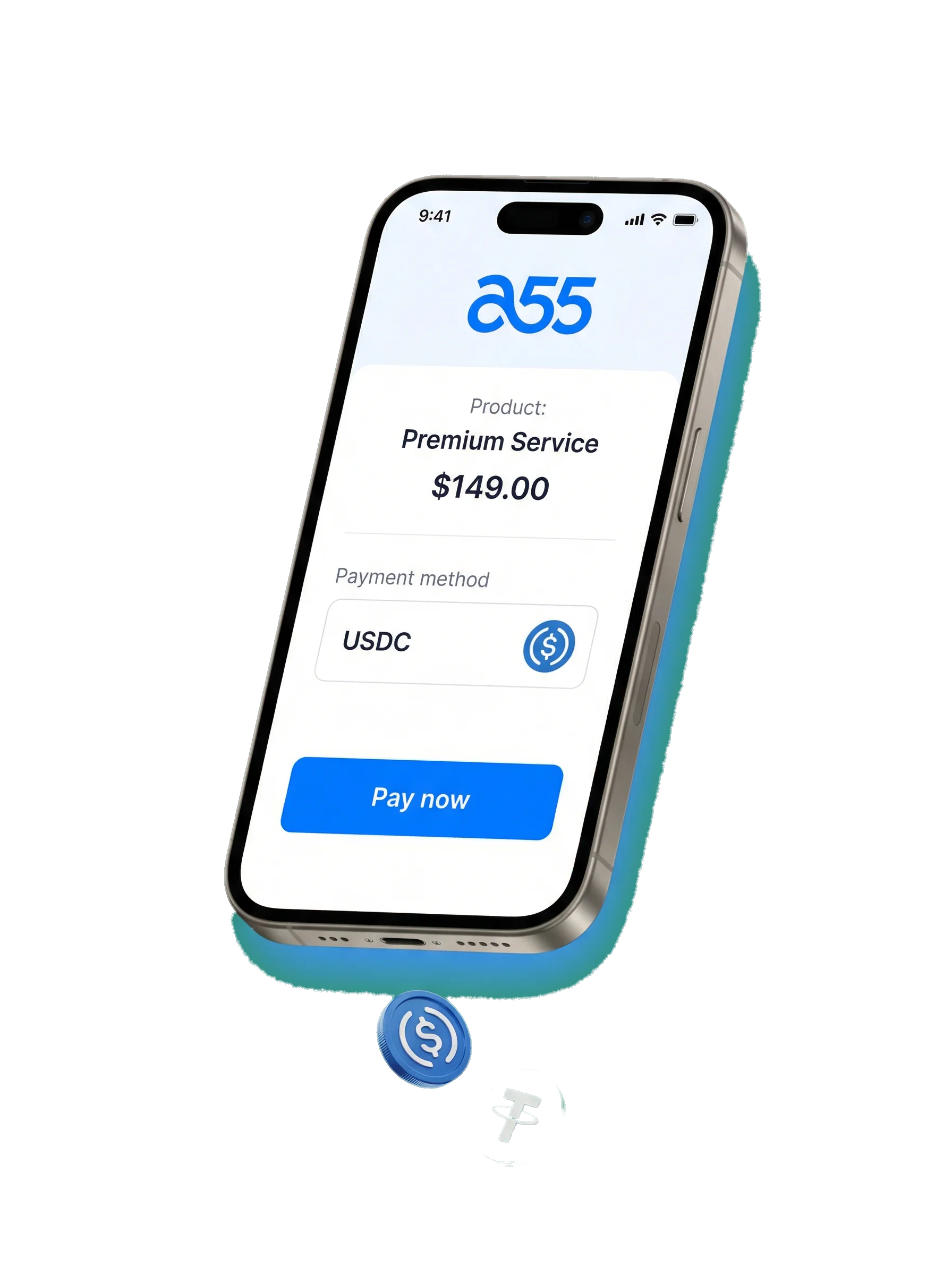
The table below compares the core technical specifications of the most prominent SDKs currently facilitating merchant adoption. These providers differ significantly in their approach to liquidity and finality.
Volt, Checkout.com, and BVNK represent the most mature entry points for enterprise merchants. Volt’s SDK unifies fiat and regulated stablecoins on a single checkout interface, simplifying the merchant treasury solution by handling the conversion automatically. Checkout.com leverages its partnership with Coinbase to offer real-time settlement, allowing eligible enterprise merchants to accept stablecoins with the same reliability as card payments. BVNK focuses on a "just one click" integration model, supporting a broad range of chains including Arbitrum and Base, which are increasingly popular for low-fee transactions.
Eco takes a different approach by focusing on the user experience side of the ledger. Their SDK enables single-click, gasless transactions, effectively removing the friction of wallet management for the end consumer. While this is highly effective for user adoption, merchants must ensure their treasury partners can handle the resulting on-chain liquidity efficiently.
Regulatory landscape for stablecoin payments
Integrating one-click stablecoin checkout requires navigating a fragmented and evolving compliance framework. Unlike traditional fiat rails, stablecoins operate across jurisdictional boundaries, meaning your payment provider’s licensing determines where your business can legally accept these payments. Failure to align with local regulations can result in frozen assets or the suspension of payment processing capabilities.
United States: The GENIUS Act
The GENIUS Act represents the most significant shift in U.S. digital asset policy, establishing a federal framework for stablecoin issuers. For merchants, this legislation clarifies reserve requirements and audit standards, reducing counterparty risk. However, it also imposes stricter operational mandates on the payment processors that facilitate these transactions. Merchants must verify that their gateway providers have secured the necessary approvals to operate under this new federal regime before launching stablecoin checkout options.
Europe: MiCA Compliance
The Markets in Crypto-Assets (MiCA) regulation provides a comprehensive rulebook for crypto-asset service providers within the European Union. MiCA mandates transparency, consumer protection, and strict capital requirements for stablecoin issuers. For merchants, this means that only stablecoins compliant with MiCA standards can be processed through EU-licensed payment gateways. This creates a clear distinction between compliant and non-compliant assets, simplifying the decision matrix for businesses operating in European markets.
Impact on Integration Choices
These regulations directly influence your technical integration strategy. Payment providers often restrict stablecoin support to specific assets that meet regulatory criteria, such as USD-pegged tokens with audited reserves. When selecting a checkout solution, prioritize providers that explicitly state their compliance with the GENIUS Act and MiCA. This ensures that your one-click stablecoin checkout remains operational across major markets without unexpected regulatory interruptions.
Technical integration steps for merchants
One-Click Stablecoin Checkout works best as a clear sequence: define the constraint, compare the realistic options, test the tradeoff, and choose the path with the fewest hidden costs. That order keeps the advice usable instead of decorative. After each step, pause long enough to check whether the recommendation still fits the reader's actual situation. If it depends on perfect timing, unusual access, or a best-case budget, include a simpler fallback.
Market volatility and the case for instant conversion
The promise of one-click stablecoin checkout rests on a simple premise: digital payments should be as predictable as cash. While stablecoins are pegged to fiat currencies, the broader crypto market remains highly volatile. Merchants accepting tokens like USDT or DAI face a unique risk. Even if the transaction settles instantly, any delay in converting the asset to local currency can result in unexpected losses if the peg wavers or liquidity dries up during market stress.
This is why the infrastructure behind the checkout matters as much as the payment button itself. Leading providers are integrating real-time fiat conversion directly into the merchant flow. This ensures that when a customer pays, the merchant receives a stable, settled currency in their bank account, not a crypto asset they must manage. It removes the treasury management burden and isolates the merchant from market swings.
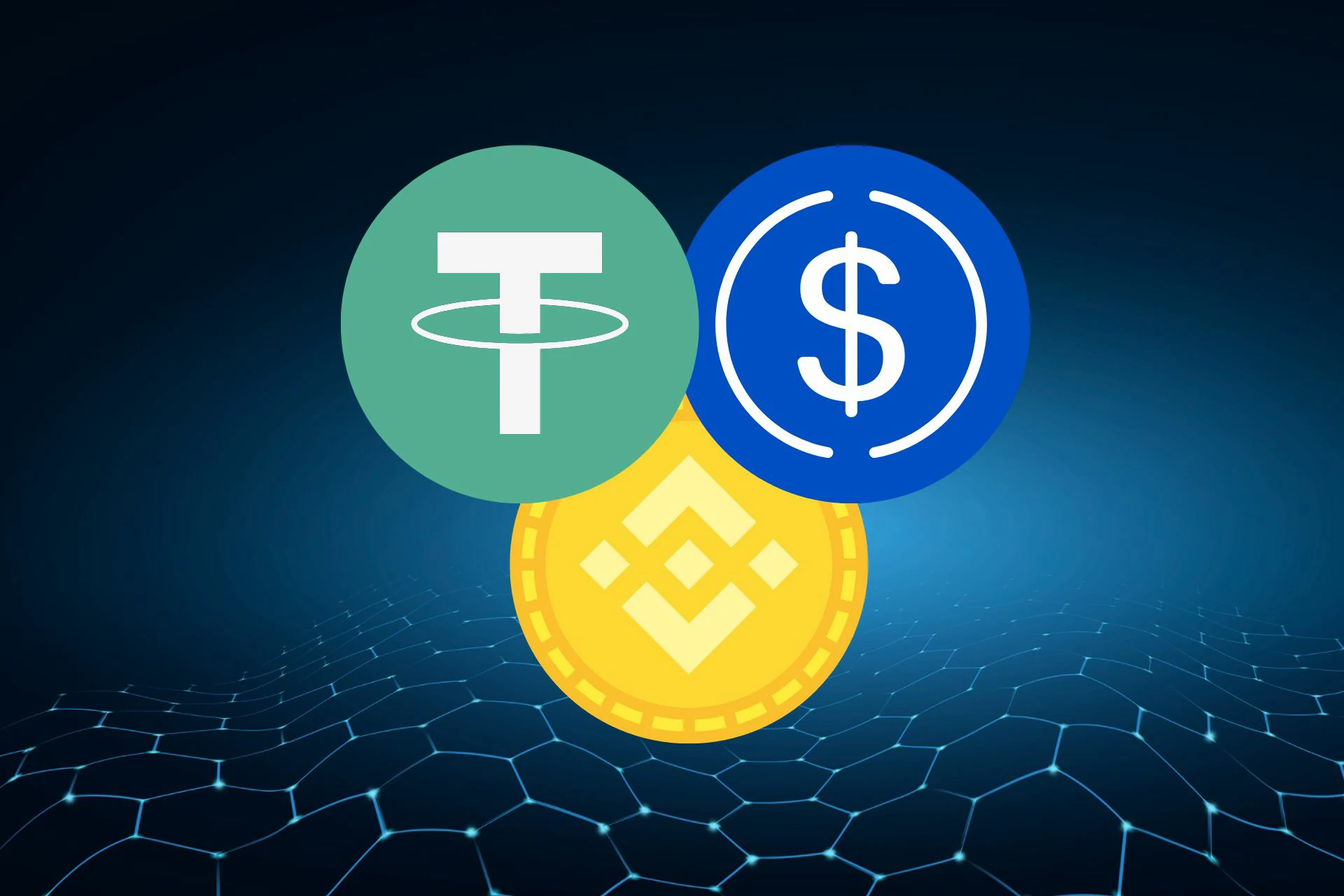
The dominance of USDC in this space is not accidental. Its strict regulatory compliance and transparent reserves make it the preferred choice for enterprise merchants who need auditability. Unlike other stablecoins, USDC’s stability is backed by a clear legal framework, reducing counterparty risk. This regulatory clarity is becoming a competitive advantage as financial institutions tighten their criteria for crypto-related partnerships.
To understand how these assets behave in real-time, it is useful to look at the price stability of major stablecoins against the US dollar. The following chart illustrates the tight correlation between USDC and USD, highlighting the low volatility that makes it suitable for daily transactions.
No comments yet. Be the first to share your thoughts!