
One-click stablecoin checkout limits to account for
Integrating a one-click stablecoin checkout SDK sounds like a frictionless upgrade, but the reality involves navigating a fragmented technical and regulatory landscape. Unlike credit card processors that offer uniform APIs, stablecoin payments require handling multiple blockchain networks, token standards, and varying compliance requirements.
The primary constraint is not just the code, but the treasury and reconciliation logic. As Volt.io notes, successful integration requires unifying fiat and regulated stablecoins on a single, secure checkout while simultaneously building a unified merchant treasury solution. This means your backend must handle real-time settlement, volatility risk, and potential regulatory reporting for each specific chain (Ethereum, Solana, Base, etc.).
Additionally, the regulatory environment is shifting. With legislation like the GENIUS Act emerging in the US, merchants must ensure their SDK providers are prepared for evolving compliance standards. A "one-click" experience often hides complex backend verification steps, including wallet validation and transaction monitoring, which can introduce latency if not optimized correctly.
Key Integration Challenges
- Multi-Chain Support: Customers may use USDC on Ethereum or USDT on Solana. Your SDK must detect the user’s preferred chain and handle distinct contract addresses and gas fee mechanics without confusing the checkout flow.
- Reconciliation Delays: Unlike instant fiat authorization, blockchain confirmations take time. You must decide whether to ship goods upon broadcast or after finality, balancing customer experience against fraud risk.
- Regulatory Compliance: Ensure the SDK provider supports required KYC/AML checks and can adapt to new laws like the GENIUS Act, which aims to stabilize the legal framework for stablecoin issuers.
The choices that change the plan
The benefit of lower fees and faster cross-border settlement is clear, but the implementation complexity is higher. Most merchants find that using a unified payment gateway (like Stripe or Checkout.com) that abstracts the blockchain layer is safer than building a custom one-click solution from scratch, unless you have significant engineering resources dedicated to crypto treasury management.
One-click stablecoin checkout choices that change the plan
Choosing a one-click stablecoin SDK is not just a technical decision; it is a balance of speed, cost, and compliance. The "seamless" experience often hides significant backend complexity. You must evaluate how each provider handles the gap between blockchain settlement and fiat liquidity.
Settlement speed and finality
The primary tradeoff is between immediate fiat payout and blockchain-native settlement. Some SDKs settle in fiat within seconds, absorbing the volatility risk themselves. Others pass the risk to you, requiring you to manage the crypto until it is converted. For high-volume merchants, immediate fiat settlement reduces operational friction, but it may come with higher processing fees. Slower settlement can be cheaper but introduces cash-flow timing risks.
Regulatory compliance and jurisdiction
Stablecoin payments are subject to evolving regulations, such as the GENIUS Act in the United States. Some providers are built specifically for regulated markets, ensuring KYC/AML compliance is handled on-chain or off-chain as required. Others may operate in gray areas, exposing your business to potential regulatory scrutiny. Always verify if the provider’s infrastructure supports your specific geographic markets and if they maintain partnerships with regulated entities like Coinbase or Stripe.
Supported stablecoins and networks
Not all stablecoins are created equal. Some SDKs support only USDC on Ethereum, while others support USDT, USDC, and newer assets across multiple chains like Solana, Polygon, or Base. The breadth of support affects your customer base. If your customers primarily use USDT on Tron, an Ethereum-only SDK is useless. Check the network fees and transaction speeds for each supported chain to ensure the checkout experience is actually one-click fast.
Cost structure and hidden fees
Look beyond the base transaction fee. Some providers charge a flat fee per transaction, while others take a percentage. Others may charge additional fees for currency conversion, wallet creation, or withdrawal. The total cost of acceptance can vary significantly. A provider with a low base fee might charge high withdrawal fees, eroding your margins.
| Feature | Provider A (Fiat-First) | Provider B (Crypto-Native) | Provider C (Hybrid) |
|---|---|---|---|
| Settlement | Instant Fiat | On-Chain (10-30 min) | 1-2 Day Fiat |
| Supported Coins | USDC, USDT | USDC, USDT, DAI, PYUSD | USDC, USDT |
| Compliance | Full KYC/AML | Self-Custody Option | Full KYC/AML |
| Fees | 1.5% + $0.30 | 0.5% Network Fee | 1.0% + $0.25 |
| Best For | Traditional E-commerce | Crypto-Native Brands | Hybrid Merchants |
The right choice depends on your business model. If you are a traditional retailer, a fiat-first provider like Checkout.com or Stripe may offer the safest path. If you are a crypto-native brand, a provider like Volt or BVNK might offer better flexibility and lower fees. Evaluate each option against your specific needs for speed, cost, and compliance.
Choose the right stablecoin checkout SDK
Selecting a one-click stablecoin checkout SDK requires balancing merchant convenience with regulatory compliance and treasury management. The decision framework below breaks down the integration process into actionable steps, focusing on the technical and operational tradeoffs that matter for 2026.
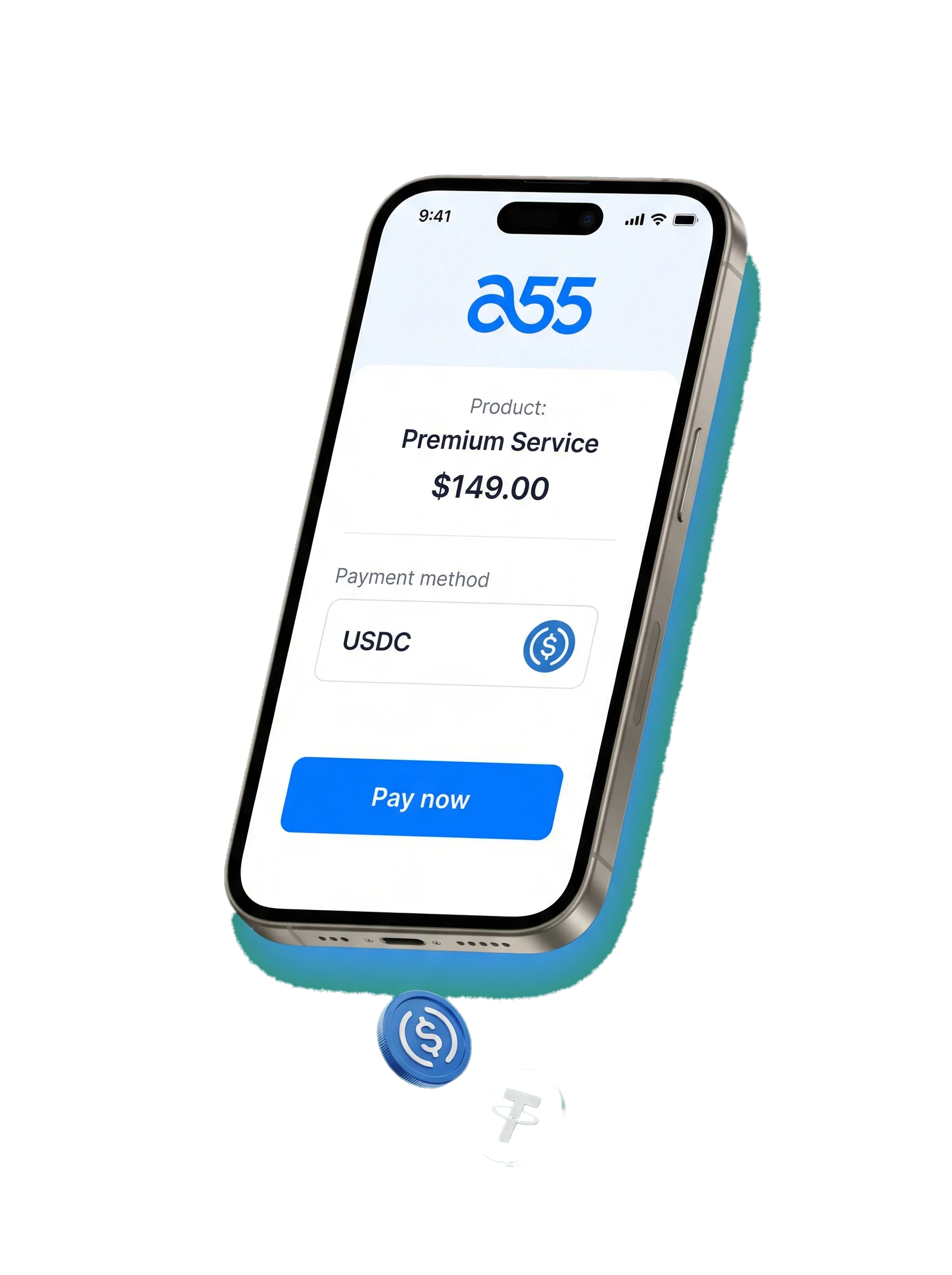
Before integrating, confirm the SDK supports the specific stablecoins compliant with your jurisdiction. Regulations like the GENIUS Act are reshaping how stablecoins are treated as payment rails. Choose a provider that explicitly handles regulatory reporting to avoid liability.
Determine if you want to receive fiat or crypto. Some SDKs convert stablecoin payments to USD instantly, reducing volatility risk. Others allow you to hold the stablecoin, which may be preferable if you already have a treasury strategy for digital assets.
The user experience hinges on how easily customers connect their wallets. Look for SDKs that support popular wallets and networks without forcing users to navigate complex menus. A seamless redirect to a crypto payment page, similar to Stripe’s flow, reduces cart abandonment.
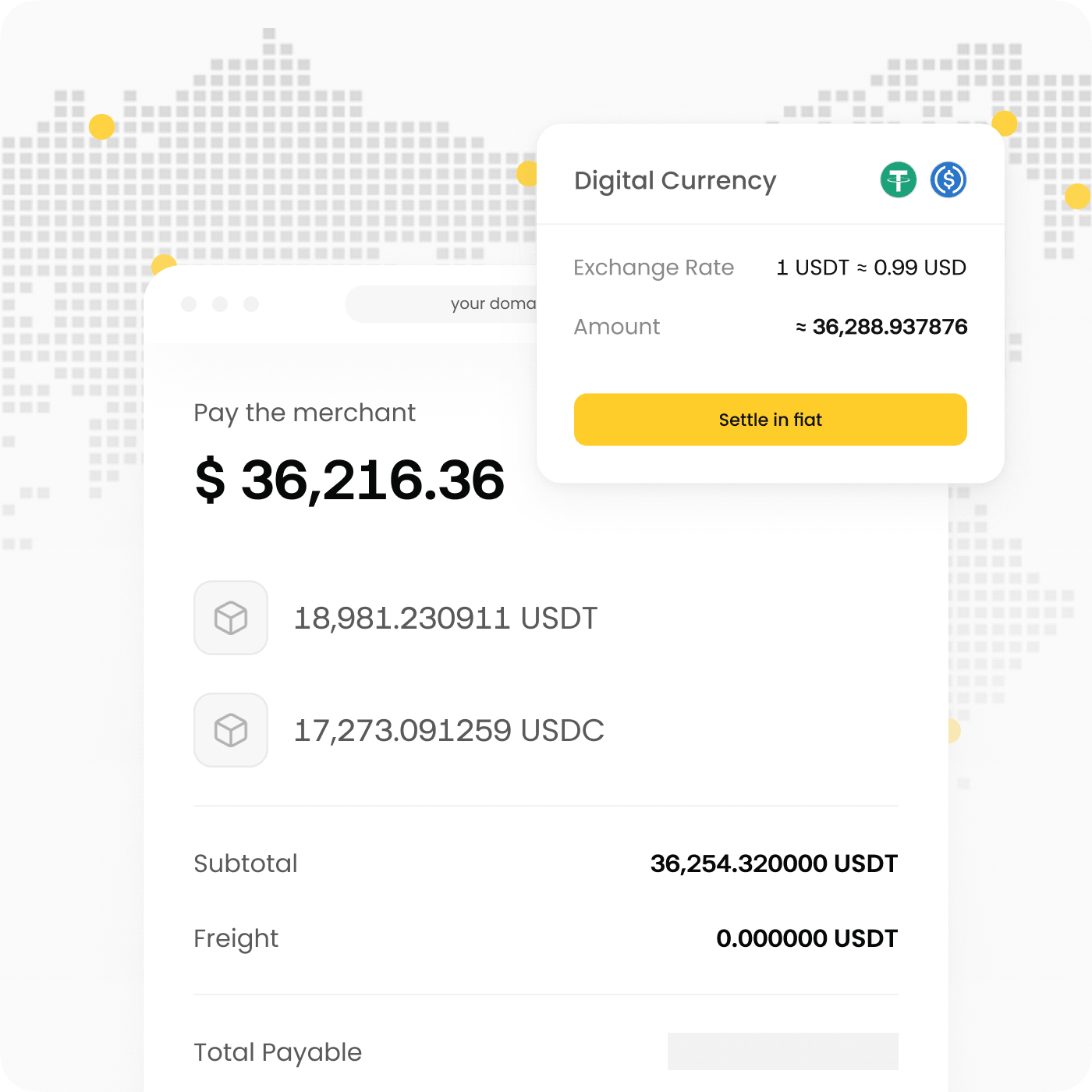
Beyond processing, assess the backend tools. Do you need unified reporting for both fiat and crypto transactions? Providers like Volt are building unified merchant treasury solutions, which simplifies accounting by keeping all payment data in one dashboard.
KeyTakeaways items=["Regulatory compliance is the first filter for any SDK.", "Settlement type (fiat vs. crypto) dictates your treasury strategy.", "Wallet connection friction directly impacts conversion rates."]
Avoid the weak options
The easiest mistake with 2026 guide: Integrating One-Click Stablecoin Checkout SDKs for Seamless Crypto Payments is comparing options on the most visible detail while ignoring the day-to-day constraint. A choice can look strong on paper and still fail because it is too hard to maintain, too expensive to repeat, or awkward in the actual setting. Use the same checklist for every option: fit, cost, durability, timing, upkeep, and fallback plan. That keeps the comparison practical instead of drifting into preference alone.
The simplest way to use this section is to write down the real constraint first, compare each option against it, and choose the path that still works outside ideal conditions.
One-click stablecoin checkout: what to check next
Stablecoin integration is moving from experimental to standard, but practical questions about flow, redemption, and retail adoption remain common. Here are the most frequent queries regarding stablecoin payments and wallet integration.
No comments yet. Be the first to share your thoughts!