
The one-click stablecoin checkout limits to account for
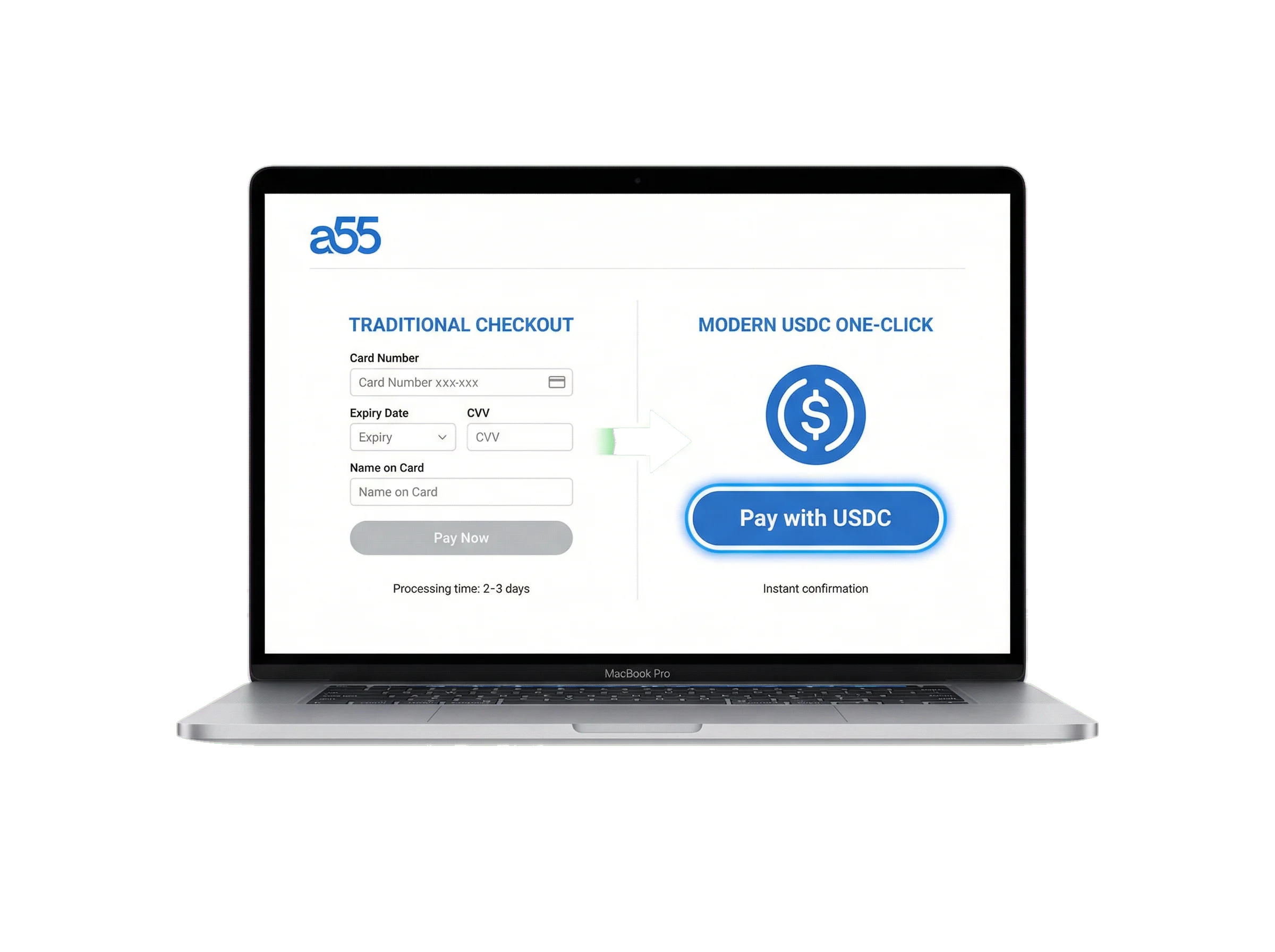
Most merchants assume one-click stablecoin checkout works like tapping an Apple Pay card. It does not. The friction lives in the final step: converting the blockchain transaction into settled fiat. While the customer sees a single button, the backend must handle gas fees, network confirmations, and regulatory compliance before the money hits the bank.
This gap creates a critical constraint for integration. A true one-click experience requires the SDK to manage the conversion internally, shielding the merchant from volatility and settlement delays. Without this, the "one-click" promise breaks down into a multi-step verification process that kills conversion rates.
When evaluating SDKs, look for unified treasury solutions that bundle checkout and settlement. Providers like Volt, for example, unify fiat and regulated stablecoins on a single checkout layer, reducing the complexity of managing multiple wallets and conversion APIs separately. This consolidation is what turns a crypto payment into a seamless retail experience.
One-click stablecoin checkout choices that change the plan
Integrating one-click stablecoin checkout SDKs for seamless crypto payments works best as a clear sequence: define the constraint, compare the realistic options, test the tradeoff, and choose the path with the fewest hidden costs. That order keeps the advice usable instead of decorative.
After each step, pause long enough to check whether the recommendation still fits the reader's actual situation. If it depends on perfect timing, unusual access, or a best-case budget, include a simpler fallback.
| Factor | What to check | Why it matters |
|---|---|---|
| Fit | Match the option to the primary use case. | A good deal still fails if it does not fit the job. |
| Condition | Verify age, wear, and service history. | Hidden condition issues erase upfront savings. |
| Cost | Compare purchase price with likely upkeep. | The cheapest option is not always the lowest-cost option. |
Choose the next step
Integrating one-click stablecoin checkout SDKs for seamless crypto payments works best as a clear sequence: define the constraint, compare the realistic options, test the tradeoff, and choose the path with the fewest hidden costs. That order keeps the advice usable instead of decorative.
After each step, pause long enough to check whether the recommendation still fits the reader's actual situation. If it depends on perfect timing, unusual access, or a best-case budget, include a simpler fallback.
Pitfalls to Avoid in Stablecoin Checkout Integration
Many SDKs promise “seamless” experiences while hiding significant friction in the integration layer. The most common mistake is assuming stability equals simplicity. While stablecoins are pegged to fiat, their settlement rails vary wildly in speed and finality. An SDK that abstracts away these differences often leaves merchants liable for failed transactions or delayed reconciliation. Always verify which chains the SDK supports and whether it handles re-orgs or chain halts automatically.
Another weak option is relying on SDKs that do not clearly disclose their treasury or liquidity providers. Some providers route payments through unregulated intermediaries or obscure liquidity pools. This can lead to unexpected fees, slippage, or even frozen funds during market volatility. Look for SDKs that publish their reserve attestations and clearly state which stablecoins they support for settlement.
Finally, avoid SDKs that lack robust error handling for edge cases. What happens if a user’s wallet disconnects mid-transaction? Does the SDK retry automatically? Does it provide a clear refund path? Weak options often leave merchants to build these safeguards themselves, defeating the purpose of a one-click solution. Choose an SDK that treats reliability as a core feature, not an afterthought.
One-click stablecoin checkout: what to check next
How do I pay with stablecoin?
Integrating a one-click SDK simplifies the process for both merchants and customers. Instead of manually copying wallet addresses, the checkout page handles the transaction flow. The customer selects stablecoin as their payment method, and the SDK manages the connection to their wallet or app. This reduces friction and mimics the speed of traditional credit card payments.
Can I instantly cash out my crypto?
Stablecoin checkout providers like Checkout.com and Owlting often offer immediate fiat settlement. When a customer pays in USDC, the merchant can receive USD in their bank account instantly, rather than waiting for blockchain confirmations or market volatility. This feature allows businesses to treat crypto payments like standard fiat transactions, removing the need to hold digital assets.
What is stablecoin on Cash App?
Cash App has integrated stablecoin functionality, allowing users to buy, sell, and hold Bitcoin and, more recently, stablecoins like USDC. For merchants, this means customers may already have stablecoins in their existing payment apps. Integrating with platforms that support these wallets can capture users who prefer keeping their funds within familiar financial ecosystems.
How do I get a stablecoin?
Users typically acquire stablecoins by purchasing them on regulated cryptocurrency exchanges or through integrated payment apps. Once purchased, they can be transferred to a non-custodial wallet or kept in an app-supported account. For checkout purposes, the SDK often guides users through this process or connects directly to their existing balance if they are already logged in.
No comments yet. Be the first to share your thoughts!