
One-click stablecoin checkout sdk integration
A one-click stablecoin checkout SDK removes the friction of traditional payment gateways by handling on-chain settlement instantly. This approach reduces chargeback risks and allows merchants to receive funds directly into their preferred stablecoin wallet. The integration replaces the multi-step verification of legacy systems with a streamlined, automated flow.
When selecting a provider, prioritize solutions that offer robust API documentation and clear error handling. The best SDKs abstract away the complexity of blockchain interactions, allowing your development team to focus on the user experience rather than transaction mechanics. Look for partners who support major stablecoins like USDC and USDT, ensuring compatibility with a broad range of customers.
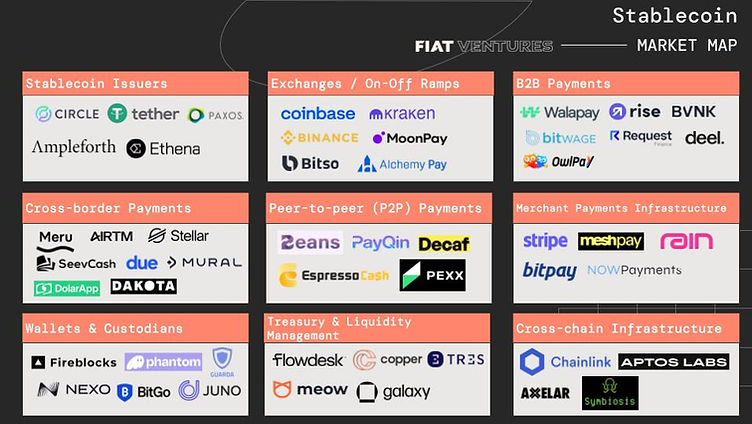
Consider the settlement layer carefully. Some providers, like Checkout.com, have scaled stablecoin settlement for US merchants in partnership with custodians like Fireblocks. This ensures that the stablecoins received are backed by proper infrastructure, reducing counterparty risk. Verify that the SDK you choose integrates smoothly with your existing e-commerce platform, whether it is Shopify, WooCommerce, or a custom build.
The goal is to make the payment process invisible to the user. A well-implemented one-click stablecoin checkout SDK should feel as fast as a credit card swipe, but with the speed and finality of blockchain settlement. This balance of speed and security is what defines the leading solutions in 2026.
One-click stablecoin checkout sdk choices that change the plan
Choosing a stablecoin checkout SDK is less about finding the "best" provider and more about matching technical constraints with business risk tolerance. The market has shifted from experimental integrations to production-ready rails, but the underlying architecture varies significantly. You are effectively choosing between speed, cost, and control, and no single SDK wins on all three fronts.
The primary tradeoff revolves around settlement finality versus fiat conversion speed. Some SDKs settle payments in stablecoins directly to your wallet, requiring you to manage exchange risk if you need fiat for payroll. Others offer instant off-ramping to your bank account, adding a layer of intermediary friction but eliminating volatility exposure. For high-volume e-commerce, the latency of the conversion step often matters more than the initial blockchain confirmation time.
Evaluation factors
When comparing options, focus on these concrete metrics rather than marketing claims about "instant" payments.
- Settlement Destination: Does the SDK hold funds in a custodial wallet or push directly to your non-custodial address? Custodial solutions simplify accounting but introduce counterparty risk.
- Supported Chains: Not all stablecoins are created equal. Ensure the SDK supports the specific stablecoin (USDC, USDT, DAI) and network (Ethereum, Polygon, Solana) your customers prefer. Cross-chain support often adds complexity and cost.
- Fee Structure: Look beyond the base transaction fee. Some providers charge a spread on the fiat conversion or a monthly platform fee. Calculate the total cost per transaction (CPT) based on your average order value.
- Chargeback Protection: One major advantage of stablecoins is reduced chargeback risk. Verify if the SDK offers dispute resolution tools or if the on-chain nature of the transaction is your only protection.
| Provider | Settlement | Fee Model | Custody |
|---|---|---|---|
| Checkout.com | Fiat or Stablecoin | Interchange + Spread | Custodial |
| BVNK | Stablecoin | Per-transaction API | Non-custodial API |
| OneClickStable | Stablecoin | Flat fee + Gas | Non-custodial |
| Stripe (Crypto) | Fiat | Standard + Crypto Fee | Custodial |
The hidden cost of gas
Even with "gasless" checkout experiences for the end user, the merchant absorbs transaction costs. On congested networks like Ethereum Mainnet, a single settlement can cost several dollars in gas fees, eroding margins on low-ticket items. Most modern SDKs abstract this by batching transactions or using Layer 2 solutions, but you must verify which network the SDK defaults to. If the SDK allows network selection, ensure your engineering team can configure it to prioritize cost-efficiency over speed for non-urgent settlements.
Integration complexity
The ease of integration varies by SDK maturity. Some solutions offer drop-in UI components that require only a few lines of code, while others provide headless APIs that demand significant frontend development. For teams with limited engineering resources, a pre-built widget reduces time-to-market but limits brand customization. For others, a headless API offers the flexibility to embed stablecoin payments seamlessly into existing checkout flows, though it requires more robust error handling for blockchain-specific edge cases.
Choose the Right Stablecoin Checkout SDK
Selecting the right integration partner dictates whether your store sees higher conversion or operational friction. The market has shifted from experimental pilots to production-ready SDKs that handle fiat-to-stablecoin conversion on the backend. Your decision rests on three practical pillars: settlement speed, developer complexity, and merchant onboarding requirements.
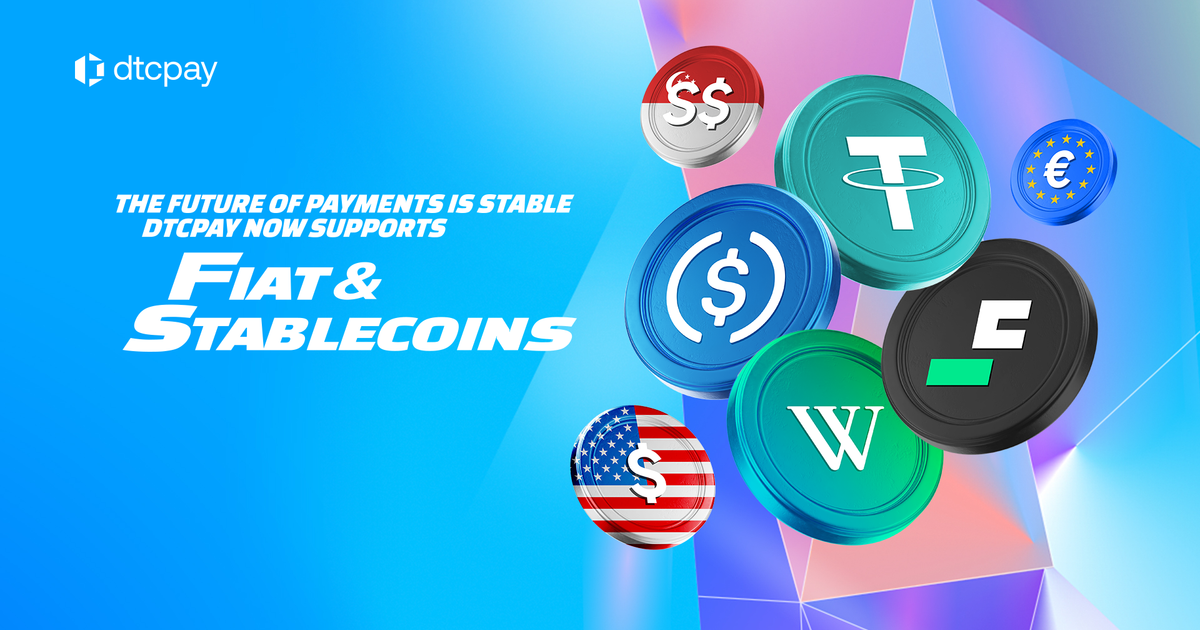
Prioritize providers with established banking or custodial partnerships. For example, Checkout.com’s integration with Fireblocks allows US merchants to receive settlement funds directly into stablecoin wallets, bypassing traditional ACH delays. This rail choice determines whether your treasury grows instantly or waits for batch processing.

Look for plug-and-play SDKs that abstract blockchain complexity. A true one-click solution should require minimal code changes to your existing checkout flow. Avoid providers that force you to manage private keys or build custom smart contract interfaces, as this increases technical debt and security risks.
Stablecoin transactions are irreversible, which eliminates traditional chargeback fraud but introduces new risks. Ensure the SDK includes automated compliance checks and wallet screening tools. This feature set protects your revenue from illicit address interactions without adding manual review steps for your support team.
| Feature | Traditional Gateway | Stablecoin SDK |
|---|---|---|
| Settlement Time | 2-5 Days | Instant |
| Chargeback Risk | High | None (Irreversible) |
| Integration Effort | Low | Medium |
| Currency Volatility | None | Managed by Provider |
Spotting Weak Integration Options
Not every "one-click" stablecoin SDK delivers the speed or reliability merchants need. Many providers bundle complex fiat on-ramps with their checkout flow, creating latency that defeats the purpose of instant settlement. You should verify whether the SDK actually handles the conversion off-chain or if it forces the customer to hold crypto during the transaction. True instant checkout means the merchant receives stablecoin settlement immediately, while the customer pays with fiat through a familiar interface. Avoid solutions that require customers to manage private keys or approve multiple blockchain transactions before the order is confirmed.
Another common pitfall is the lack of chargeback protection or compliance tools. Some lightweight SDKs skip the necessary KYC/AML checks to appear "frictionless," leaving merchants exposed to regulatory scrutiny and fraud. Look for integrations that explicitly mention compliance frameworks and dispute resolution mechanisms. If a provider claims to be compliant but cannot detail their monitoring processes, treat it as a red flag. Similarly, be wary of hidden fees for currency conversion or settlement delays that are not clearly disclosed in the pricing structure.
Finally, evaluate the technical support and documentation quality. A robust SDK should offer clear API references, sandbox environments for testing, and responsive developer support. Poor documentation often leads to integration errors that can disrupt checkout flows during peak sales periods. Choose a provider with a proven track record of uptime and clear service level agreements (SLAs) to ensure your e-commerce platform remains stable and secure during high-volume events.
One-click stablecoin checkout sdk: what to check next
Integrating stablecoin payments removes the friction of traditional banking rails, but it introduces new technical and compliance considerations. Before committing to an SDK, merchants should understand how settlement, conversion, and compliance are handled behind the scenes.
Does the SDK handle fiat-to-crypto conversion automatically?
Most modern one-click SDKs act as a translation layer, allowing customers to pay in stablecoins while the merchant receives fiat or their preferred stablecoin. Services like Checkout.com’s partnership with Fireblocks allow eligible US merchants to receive settlement directly into stablecoin wallets, offering flexibility without requiring the merchant to manage private keys or complex wallet infrastructure [[src-serp-2]]. This automation ensures that your accounting remains stable even if the customer pays in a volatile asset.
How does this reduce chargeback risks compared to credit cards?
Traditional credit card payments are reversible, exposing merchants to chargeback fraud. Stablecoin transactions are settled on-chain and are generally irreversible, effectively eliminating chargeback risks once the transaction is confirmed. This shift changes the merchant’s risk profile from fraud liability to technical verification, requiring robust identity checks rather than dispute management systems [[src-serp-1]].
What is the typical integration time for an SDK?
SDKs are designed to be embedded quickly, often functioning as a simple API integration that translates between your e-commerce platform and the blockchain. BVNK, for example, allows developers to embed payment capabilities via API, enabling a "one click" start for demo and production environments [[src-serp-4]]. Most developers can achieve a functional test environment within hours, with full production deployment taking days rather than weeks.
Are there any hidden fees for using stablecoin payments?
While stablecoin settlements are often cheaper than credit card processing fees (which typically range from 2-3%), merchants should review the SDK’s specific fee structure. Some providers charge a flat fee per transaction, while others take a percentage. Additionally, network gas fees may apply depending on the blockchain used. Always check if the SDK provider absorbs these costs or passes them to the merchant or customer [[src-serp-3]].
Which stablecoin checkout SDK is best for Shopify merchants?
For Shopify merchants, Checkout.com and Stripe (Crypto) are often the easiest entry points due to their native plugin support and established custodial infrastructure. These solutions handle the backend complexity of compliance and settlement, allowing merchants to accept stablecoins without managing private keys or blockchain nodes.
Can I accept stablecoins without holding crypto assets?
Yes. Many SDKs, including those from Checkout.com and Stripe, offer instant fiat off-ramping. This means the customer pays in stablecoins, but the funds are immediately converted to fiat and deposited into your bank account. This eliminates exposure to crypto volatility and simplifies accounting.
How do I handle gas fees for my customers?
Look for SDKs that offer "gasless" transactions or batch processing. Providers like BVNK and OneClickStable often abstract gas costs, either by absorbing them into their service fee or using Layer 2 networks (like Polygon or Arbitrum) where fees are negligible. Always verify if the gas fee is passed to the customer or included in the merchant's processing fee.
Is stablecoin payment integration secure against fraud?
Stablecoin transactions are irreversible, which eliminates chargeback fraud. However, you must implement robust KYC/AML checks and wallet screening tools to prevent transactions from illicit addresses. Choose an SDK that includes automated compliance checks to protect your business from regulatory risks.
No comments yet. Be the first to share your thoughts!