
Stablecoin checkout SDK limits to account for
Use this section to make the decision easier to compare in real life, not just on paper. Start with the reader's actual constraint, then separate must-have requirements from details that are merely nice to have.
A practical choice should survive normal use, maintenance, timing, and budget. If a recommendation only works in an ideal situation, call that out plainly and give the reader a fallback path.
The simplest way to use this section is to write down the must-have criteria first, then compare each option against those criteria before weighing nice-to-have features.
Stablecoin checkout SDK choices that change the plan
Use this section to make the decision easier to compare in real life, not just on paper. Start with the reader's actual constraint, then separate must-have requirements from details that are merely nice to have.
A practical choice should survive normal use, maintenance, timing, and budget. If a recommendation only works in an ideal situation, call that out plainly and give the reader a fallback path.
| Factor | What to check | Why it matters |
|---|---|---|
| Fit | Match the option to the primary use case. | A good deal still fails if it does not fit the job. |
| Condition | Verify age, wear, and service history. | Hidden condition issues erase upfront savings. |
| Cost | Compare purchase price with likely upkeep. | The cheapest option is not always the lowest-cost option. |
How to choose a stablecoin checkout SDK
Selecting the right one-click stablecoin integration depends on your existing payment stack and technical capacity. The market has consolidated around two primary providers that offer official, production-ready SDKs for merchants. Your choice generally hinges on whether you are already embedded in one of their ecosystems or if you require a standalone solution.
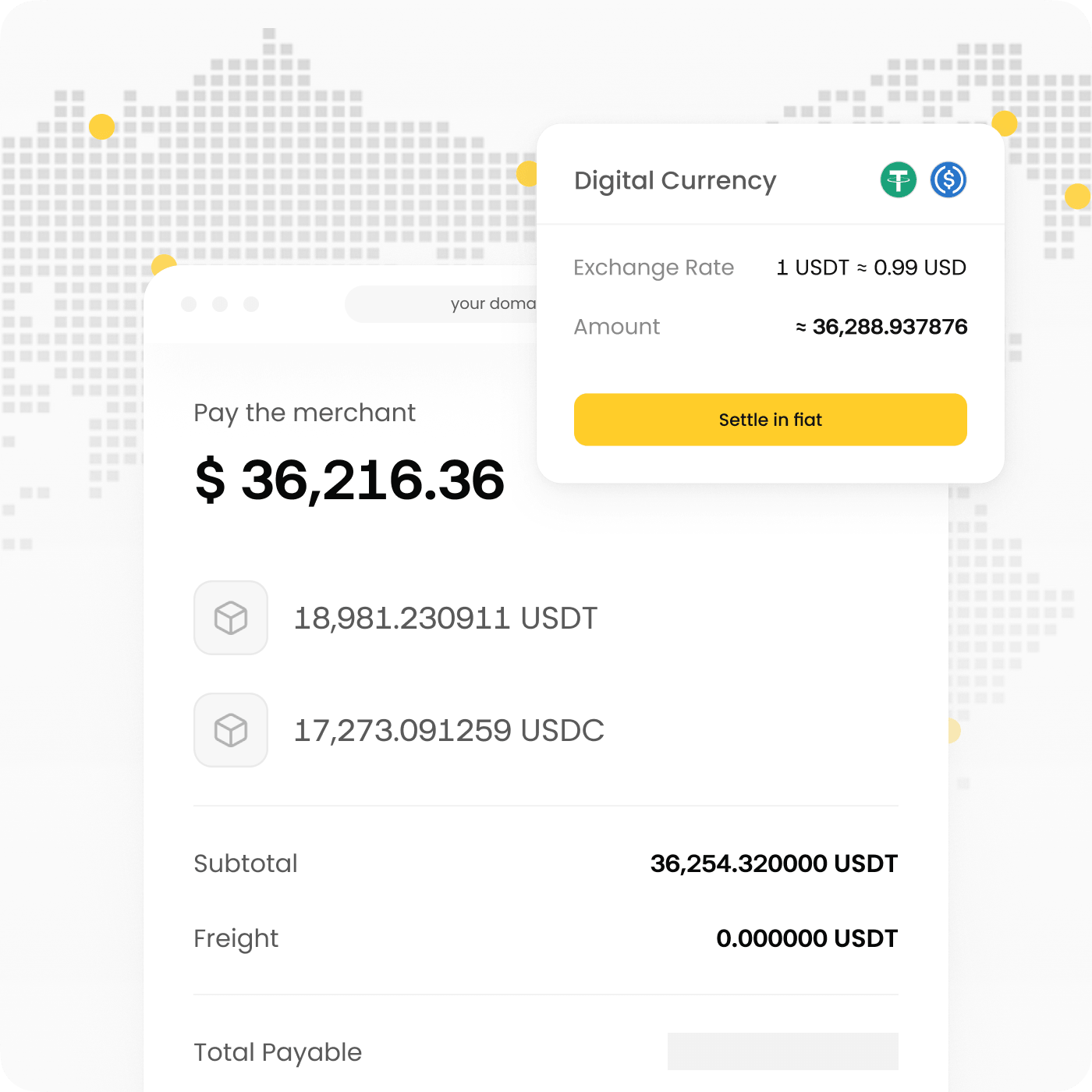
If your store already uses Stripe as your primary payment processor, start with their native stablecoin support. Stripe allows you to launch stablecoin payments via the Payment Element or the Optimized Checkout Suite. This approach requires no heavy engineering lift and lets you accept crypto alongside fiat in a single integration. It is the fastest path to deployment for existing Stripe merchants.
Merchants not using Stripe should evaluate standalone providers like Checkout.com. Their partnership with Coinbase enables direct stablecoin acceptance for enterprise merchants. Look for SDKs that offer mobile-optimized native checkouts to ensure the "one-click" experience works seamlessly on iOS and Android devices. Verify that the provider handles the fiat conversion or stablecoin settlement directly to minimize your compliance burden.
Before committing, confirm how the provider handles the final settlement. Some SDKs convert crypto to fiat instantly upon checkout, protecting you from volatility. Others allow you to hold stablecoins. Ensure the provider’s terms of service align with your jurisdiction’s regulations for digital asset acceptance. A robust SDK should abstract the complex blockchain interactions away from your core engineering team.
Spot the weak options in stablecoin SDKs
Not every "one-click" stablecoin checkout is built for production. Some SDKs promise instant integration but hide friction in settlement delays, limited currency support, or poor mobile performance. Before committing to a provider, check these common pitfalls.
Settlement latency is not instant. Many providers claim real-time settlement, but actual fund availability depends on the blockchain network and the provider’s banking partners. Look for clear SLAs on when funds are usable in your business account. Avoid providers that obscure settlement times or offer no guaranteed timeline.
Mobile SDKs vary wildly in performance. Some native mobile SDKs are lightweight and fast; others are bloated with unused features or fail on older devices. Test the SDK on your target devices before integration. Ask for benchmark data or case studies showing load times and crash rates on iOS and Android.
Currency support is often limited. "Stablecoin" doesn’t mean all stablecoins. Most providers support only USDC or USDT. If your customers use DAI, BUSD, or other stablecoins, your options shrink. Verify which stablecoins are supported and whether the provider plans to add more.
Engineering lift is rarely zero. "No heavy engineering lift" is marketing speak. You still need to handle webhooks, error states, and user experience flows. Choose a provider with comprehensive documentation, SDKs for your tech stack, and responsive support. Stripe and Checkout.com are examples of providers with mature integrations, but even they require careful implementation.
Stablecoin checkout SDK: what to check next
The shift toward one-click stablecoin payments is moving from experimental pilots to standard e-commerce infrastructure. Merchants and developers face specific technical and regulatory hurdles when integrating these tools. Below are the most common practical objections and how current SDKs address them.
No comments yet. Be the first to share your thoughts!