
One-click stablecoin checkout SDKs
The 2026 shift toward one-click stablecoin checkout SDKs centers on reducing integration friction for e-commerce platforms. Merchants no longer need to build custom blockchain interfaces; instead, they embed standardized SDKs that handle wallet connections, transaction signing, and instant settlement. This approach mirrors the simplicity of Apple Pay or Google Checkout, but operates on public ledgers like Ethereum or Solana.
For developers, the primary concern is ease of integration. Spark’s API comparison tools highlight that leading SDKs now offer pre-built components for React and Node.js, cutting integration time from weeks to hours. These tools manage the complex backend logic, allowing frontend teams to focus on user experience. The result is a checkout flow that feels native, not cryptographic.
Enterprise adoption is accelerating through partnerships with payment processors. Checkout.com, for example, has enabled stablecoin acceptance for eligible merchants, bridging traditional payment infrastructure with crypto rails. This means a merchant can accept USDC or USDT with the same compliance and fraud detection tools used for credit cards. The SDK acts as the translator, ensuring that on-chain transactions meet off-chain regulatory standards.
While the technology is mature, the ecosystem remains fragmented. Developers must choose between SDKs that prioritize speed (Solana-based) versus those that prioritize broad asset support (Ethereum-based). There is no single winner yet, but the trend is clear: one-click stablecoin checkout is becoming the default expectation for global e-commerce, not a niche feature.
One-click stablecoin checkout sdks choices that change the plan
Choosing a stablecoin checkout SDK requires balancing integration speed against long-term operational control. While the promise of "one-click" payments suggests simplicity, the underlying architecture varies significantly between providers. Some solutions wrap traditional payment gateway logic around blockchain transactions, while others build native bridge infrastructure. Understanding these structural differences prevents costly refactoring later.
The primary tradeoff lies in custody and settlement. Custodial SDKs, like those from major payment processors, handle wallet management and compliance, offering faster time-to-market but higher fees. Non-custodial or self-custody options, such as Circle’s kits, keep funds in your control but demand robust security infrastructure. You must decide whether convenience outweighs the liability of holding customer assets.
Integration complexity also differs. Some SDKs offer full UI components that handle wallet detection and transaction signing, reducing developer workload. Others provide raw APIs, requiring your team to build the entire frontend experience. For teams with limited engineering resources, a managed SDK is often the only viable path. For those needing deep customization, a modular API approach provides the necessary flexibility.
| Factor | Custodial Gateway SDKs | Native Bridge SDKs | Self-Custody Kits |
|---|---|---|---|
| Integration Speed | Fast (UI included) | Moderate (API focused) | Slow (Custom UI needed) |
| Custody Control | Provider holds funds | Provider holds funds | You hold funds |
| Transaction Fees | Higher (1-3% + network) | Moderate (Network + bridge) | Lowest (Network only) |
| Compliance Burden | Low (Provider handles) | Medium (Shared) | High (You handle) |
| Customization | Limited | Moderate | Full |
Technical implementation should align with your risk tolerance. If you prioritize speed and regulatory simplicity, a custodial solution like Checkout.com’s stablecoin acceptance layer offers a straightforward path. However, if you aim to minimize fees and maintain full control over user funds, integrating a non-custodial kit like Circle’s USDCKit or Bridge Kit requires more engineering effort but reduces long-term dependency on third-party processors. Evaluate your team’s capacity to handle security before committing to a self-custody model.
How to Choose the Right Stablecoin Checkout SDK
Selecting a stablecoin checkout SDK is no longer about choosing between crypto and fiat. It is about picking an infrastructure partner that handles the complexity of blockchain volatility while keeping your checkout flow familiar to customers. The decision comes down to integration speed, supported networks, and settlement guarantees.
Before evaluating new SDKs, map your existing payment gateway and accounting software. Many modern SDKs, such as those offered by Checkout.com in partnership with Coinbase, plug directly into established enterprise systems. This reduces the need for custom middleware to reconcile transactions. If your stack relies on legacy APIs, prioritize SDKs with robust webhook support and real-time status updates to prevent order fulfillment delays.
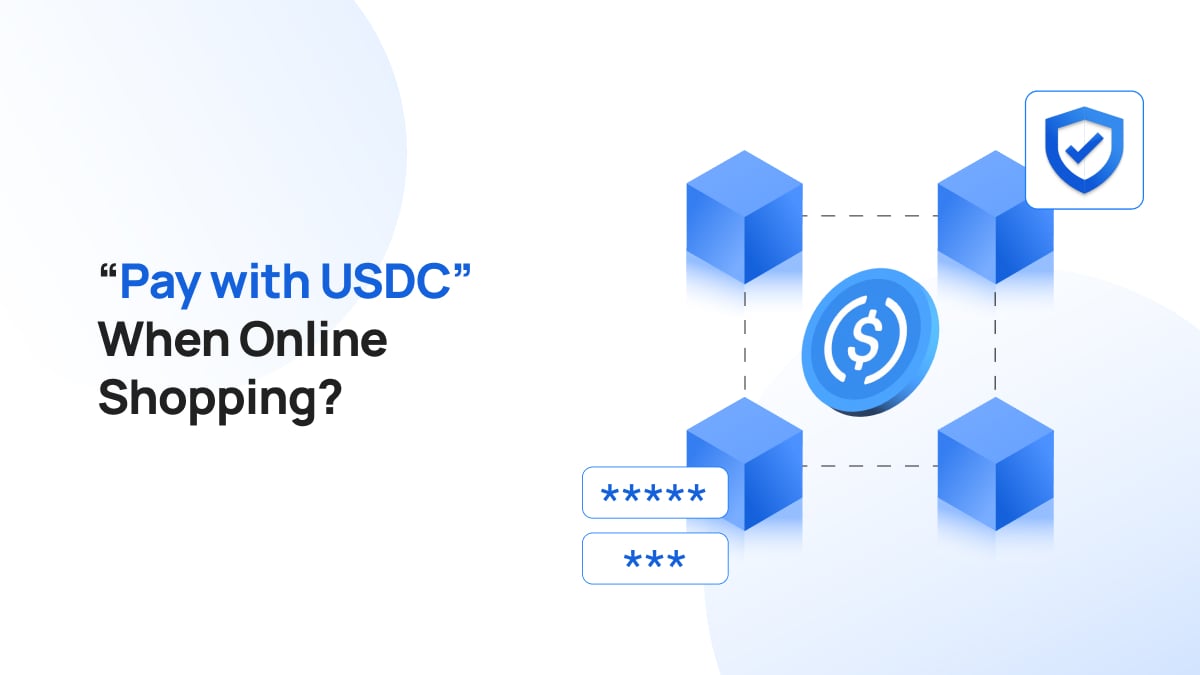
Not all SDKs are built equally. Developer experience varies significantly in documentation quality, code samples, and error handling. Use comparison tools like Spark’s API integration guide to evaluate how quickly your team can move from sandbox to production. Look for SDKs that abstract away the underlying blockchain mechanics, allowing your frontend developers to focus on user experience rather than private key management or gas fees.
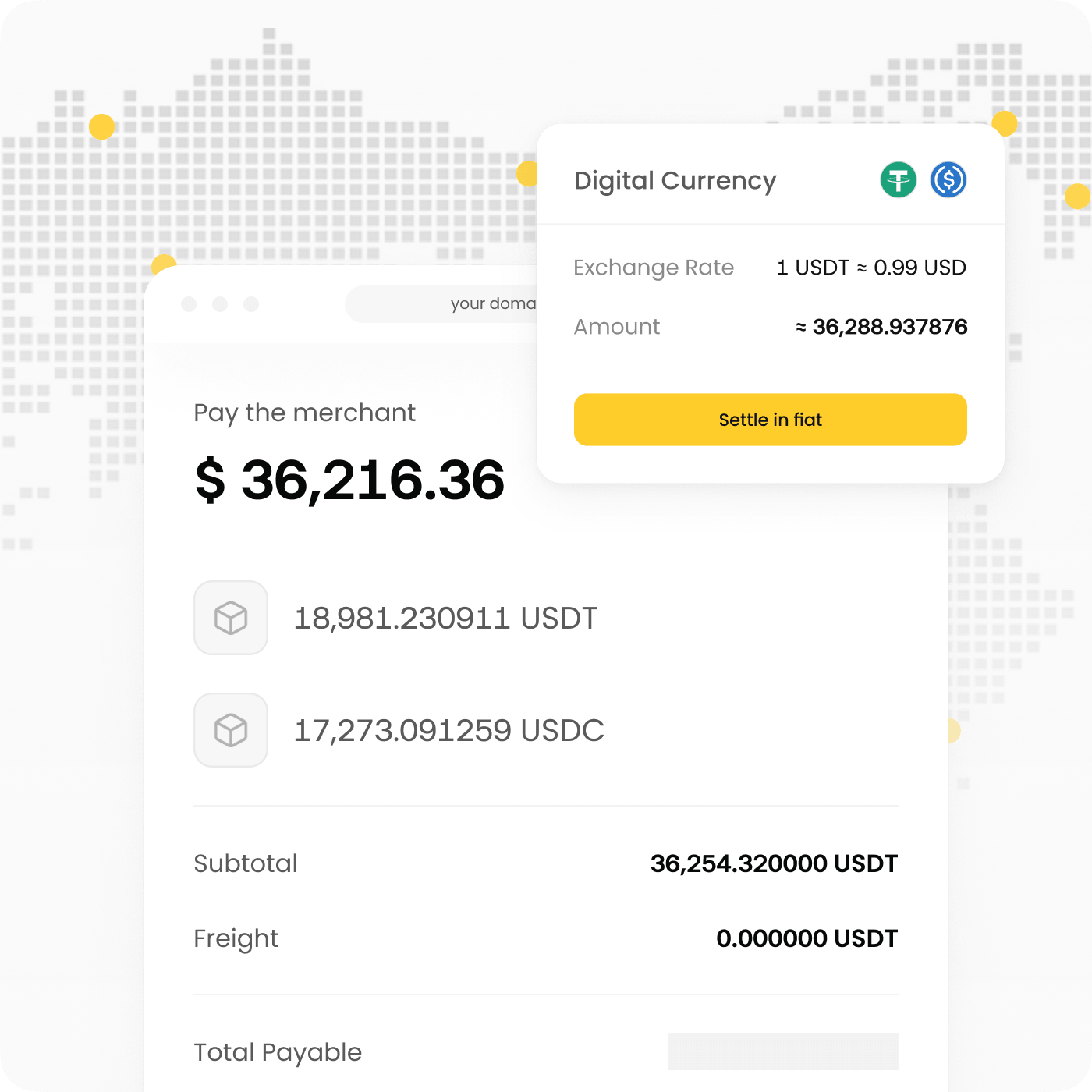
Stablecoins are not a monolith. Your SDK must support the specific networks your customers use, such as USDC on Ethereum, Solana, or Polygon. Ensure the provider offers multi-chain support without forcing you to maintain separate integrations for each. Additionally, confirm which fiat on-ramps are integrated if you need to settle payments in USD or EUR. Flexibility here protects you from network congestion and high transaction fees during peak market activity.
For e-commerce, speed and certainty matter. Choose an SDK that offers instant fiat settlement or automated stablecoin conversion to protect your margins from volatility. Review the provider’s compliance tools, including KYC/AML checks and transaction monitoring, to ensure they meet regulatory standards in your operating regions. This reduces your legal liability and simplifies audit processes.
Do not roll out a new payment method to all customers immediately. Run a limited pilot with a small percentage of traffic or specific product lines. Monitor drop-off rates, transaction success times, and customer support tickets. Use this data to refine the checkout UI and address any friction points before a full launch. This low-risk approach validates the SDK’s performance in your specific environment.
Spotting Weak Stablecoin Checkout Options
Not every one-click stablecoin SDK delivers on its promise. Some solutions mask high volatility risk behind "stable" branding, while others require merchants to manage complex on-chain reconciliation manually. In 2026, the difference between a seamless checkout and a financial liability often comes down to how the SDK handles settlement and fiat conversion.
When evaluating options, look for clear documentation on finality times and chargeback handling. Many developers skip this step, assuming stablecoins are immutable and risk-free. They are not; smart contract risks and regulatory shifts can still impact transaction integrity. Always verify that the provider offers real-time FX rates and automatic fiat settlement to protect your margins.
Avoid SDKs that lack transparent fee structures or hide integration costs in "enterprise" packages. The best tools provide clear API references, sandbox environments for testing, and explicit support for major stablecoins like USDC and USDT. If a vendor cannot clearly explain how they handle failed transactions or blockchain congestion, it is likely a weak option for high-volume e-commerce.
FAQ: One-Click Stablecoin Checkout SDKs
How do these SDKs handle currency conversion and price volatility?
Most one-click SDKs, such as those from Unifold or Checkout.com’s Coinbase partnership, settle immediately in stablecoins like USDC or USDT. This means the merchant receives the exact token amount without exposure to the volatility of Bitcoin or Ethereum. The SDK handles the on-chain transfer, while the merchant’s backend can choose to hold the stablecoin or convert it to fiat via a connected exchange. This removes the need for real-time exchange rate hedging during the checkout window.
What are the integration requirements for existing e-commerce platforms?
Integration typically involves adding a single SDK or API key to your checkout flow rather than building custom blockchain logic. Providers like Circle’s USDCKit or Spark’s API offer RESTful endpoints compatible with Shopify, WooCommerce, and custom React or Node.js stacks. Developers usually replace the standard "Pay" button with a crypto checkout option, which triggers the SDK to generate a wallet address or QR code. Most enterprise-grade solutions, including Checkout.com, require approval and KYC verification before going live.
Are there hidden fees or network gas costs for the customer?
Many modern SDKs abstract gas fees so the customer sees a single, transparent total. Some providers, like GizmoLab, use smart routing to select the lowest-cost chain (e.g., Polygon or Solana) to minimize transaction fees. Others include gas costs in the merchant’s processing fee. It is critical to check the specific documentation for your chosen SDK. For example, Circle’s Bridge Kit may involve gas for cross-chain movements, while simple on-chain stablecoin transfers often have negligible fees on Layer 2 networks.
How does this compare to traditional credit card processing?
Stablecoin SDKs typically offer faster settlement times, often within seconds rather than 2-3 business days. Transaction fees are generally lower, ranging from 0.5% to 1%, compared to 2-3% for credit cards. However, stablecoin payments are irreversible, meaning you lose the chargeback protection inherent in traditional card networks. This makes fraud prevention and identity verification (KYC/AML) steps within the SDK more critical for merchants.
No comments yet. Be the first to share your thoughts!