
The constraint of one-click stablecoin checkout
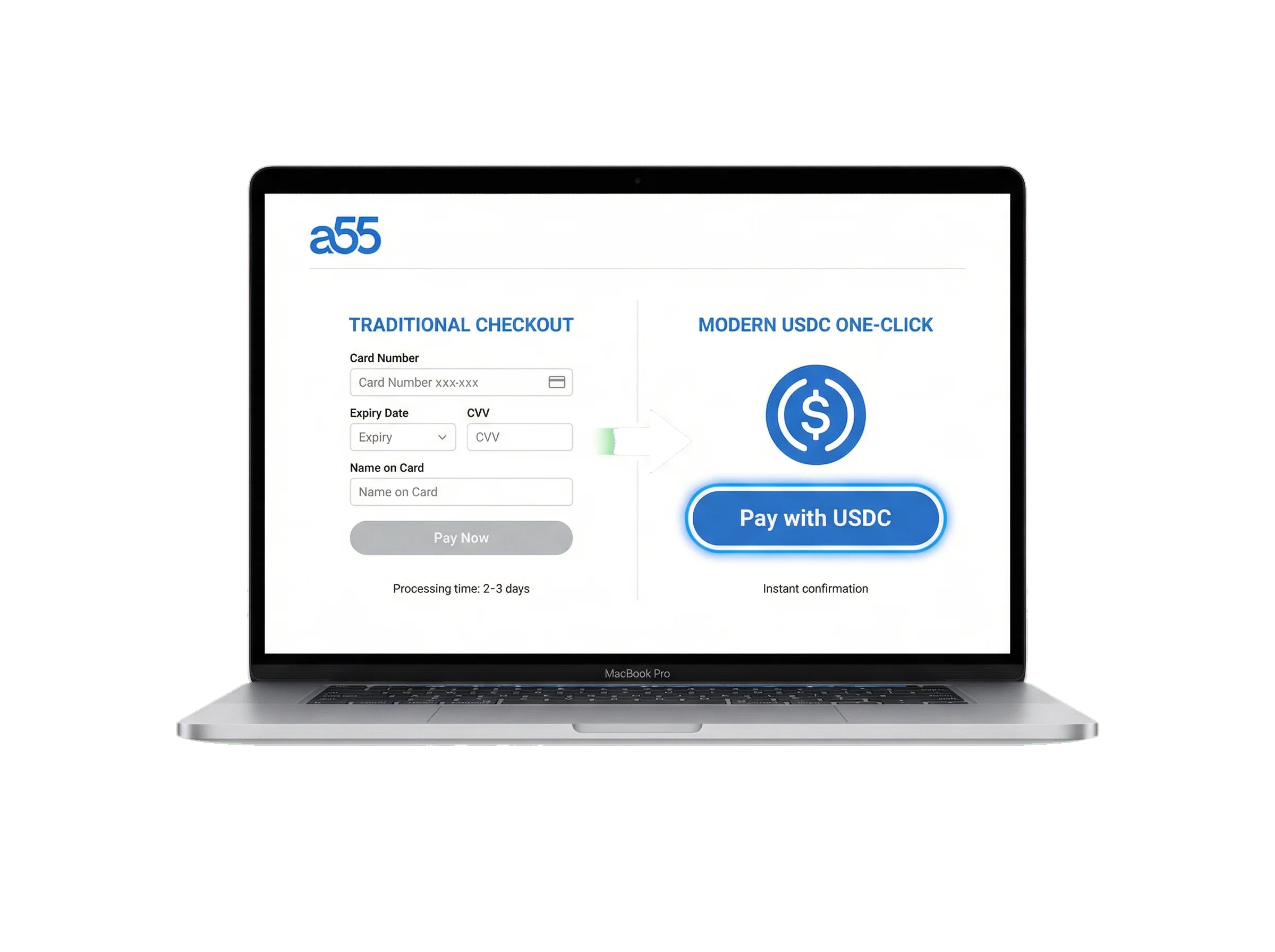
One-click stablecoin checkout requires a specific technical stack where the SDK handles gas, slippage, and compliance silently. If any component fails, the experience degrades into manual verification or transaction failure.
The primary constraint is the bridge between the user's wallet and the merchant's ledger. Most SDKs execute transactions rather than holding funds. For a seamless flow, the SDK must automatically manage gas fees, select the optimal chain, and handle slippage. If the user must manually approve a token spend before payment, friction increases and conversion rates drop.
Regulatory compliance adds necessary complexity. Stablecoins are pegged to fiat, but legal backing varies by issuer. SDKs must integrate with identity verification providers to satisfy anti-money laundering (AML) rules. This means the "one-click" moment often includes a silent background check. If the user's wallet address has sanctions flags, the transaction is blocked regardless of SDK speed.
Network volatility and finality times also matter. While stablecoins hold value, underlying blockchains can congest. A robust one-click checkout SDK must detect network delays, queue transactions, or alert the user. Without real-time feedback, customers may initiate duplicate charges, creating reconciliation issues for the merchant.
One-click stablecoin checkout choices that change the plan
Integrating a one-click stablecoin checkout SDK works best as a clear sequence: define the constraint, compare realistic options, test the tradeoff, and choose the path with the fewest hidden costs.
| Factor | What to check | Why it matters |
|---|---|---|
| Fit | Match the option to the primary use case. | A good deal still fails if it does not fit the job. |
| Condition | Verify age, wear, and service history. | Hidden condition issues erase upfront savings. |
| Cost | Compare purchase price with likely upkeep. | The cheapest option is not always the lowest-cost option. |
Choose the next step
Spotting Weak One-Click Stablecoin Checkout Options
Integrating a stablecoin SDK sounds simple until you review the fine print. Many providers market "one-click" simplicity while hiding significant friction in the backend. The goal is to identify which options actually deliver speed and which introduce compliance or technical debt.
False "Instant" Settlement Claims
Some SDKs promise instant finality, but on-chain confirmation times vary by network. If the provider does not specify the exact blockchain layer (e.g., Polygon vs. Ethereum L1), your checkout may stall. Always verify the confirmed block time for the specific chain they support. A delay of 15 seconds is acceptable; 15 minutes is not.
Hidden Currency Conversion Friction
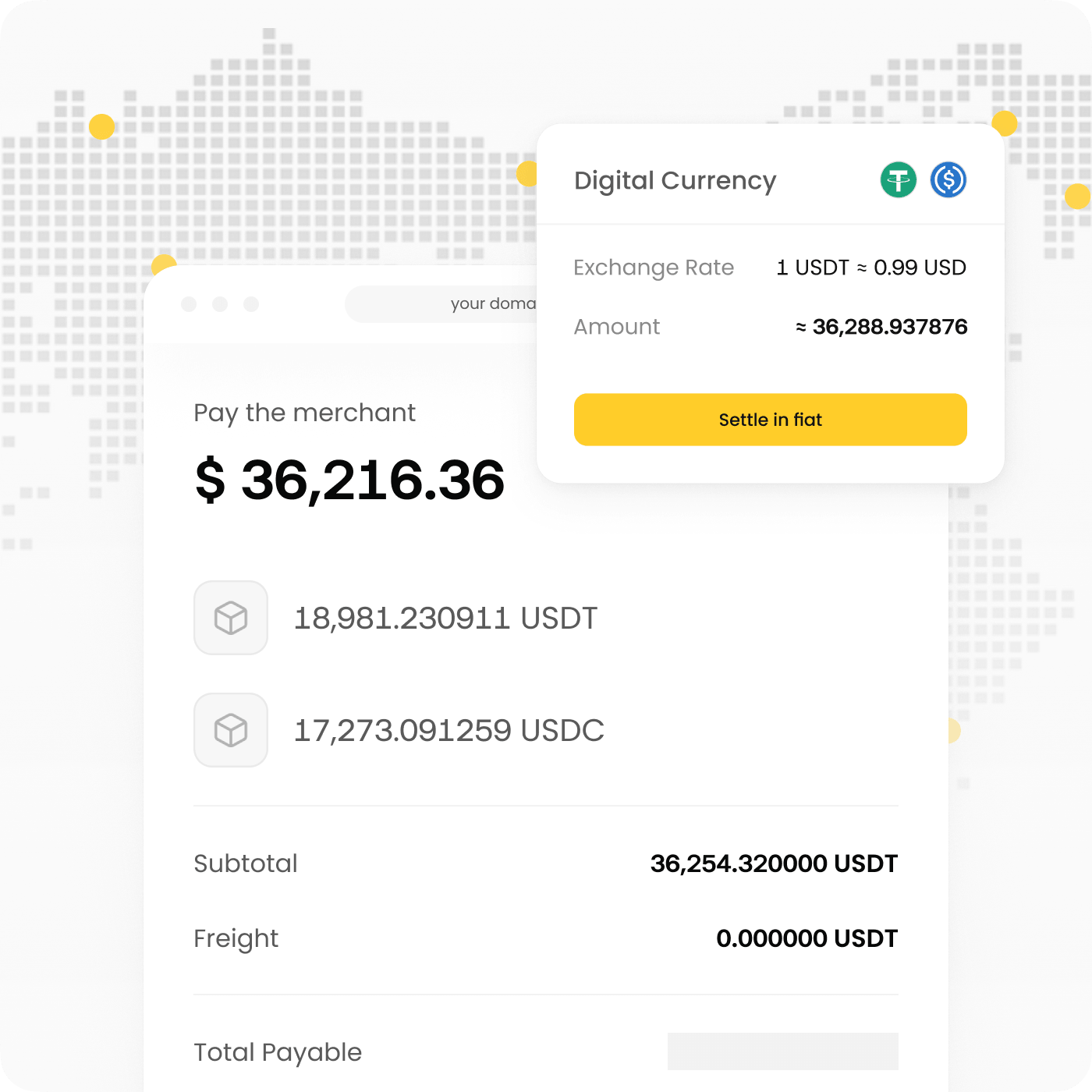
A common mistake is assuming the SDK handles dynamic conversion seamlessly. Weak options often force you to manage separate liquidity pools for fiat and crypto. This creates a dual-ledger problem where your accounting team must reconcile two different systems. Look for SDKs that provide a unified settlement view, automatically converting stablecoins to your preferred fiat currency at the point of sale.
Opaque Regulatory Compliance
Not all stablecoin issuers are created equal. Some SDKs integrate with tokens that lack proper reserves or regulatory backing. Using these exposes your business to de-pegging risks. Prioritize providers that explicitly list the stablecoin standards they support (e.g., USDC, USDT on verified networks) and offer built-in transaction screening for sanctioned addresses.
Poor Error Handling for Failed Transactions
A robust SDK fails gracefully. Weak options leave customers staring at a blank screen if a transaction is rejected or times out. Check the documentation for clear error codes and retry mechanisms. If the SDK does not provide a user-friendly fallback path, you will lose sales during network congestion.
One-click stablecoin checkout: what to check next
Before integrating a one-click stablecoin checkout SDK, merchants and developers often need clarity on the mechanics and accessibility of digital dollars. These answers address the most common practical objections and search queries regarding stablecoin payments.
No comments yet. Be the first to share your thoughts!