
Why one-click stablecoin checkout matters now
The barrier to stablecoin adoption has never been the technology; it has been the user experience. While blockchain infrastructure provides the necessary speed and finality, the merchant-facing checkout process remains fragmented. Traditional crypto payments require customers to manage private keys, estimate gas fees, and navigate complex wallet interfaces that deter conversion. This friction creates a checkout problem that no amount of backend optimization can solve alone.
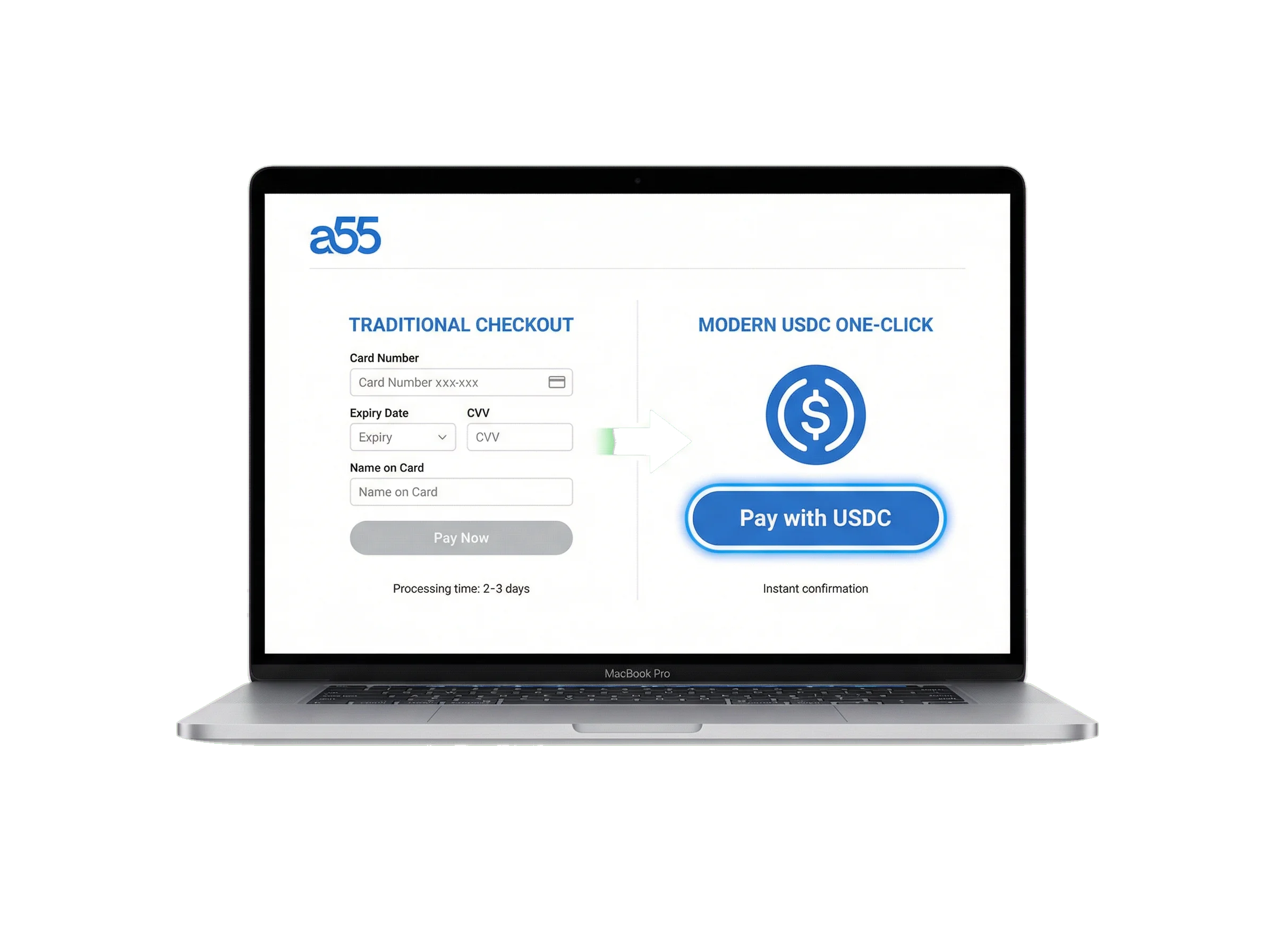
One-click stablecoin checkout addresses this by abstracting the underlying complexity. By integrating payment rails that handle wallet onboarding, signature management, and settlement in the background, merchants can offer a checkout flow that mirrors the simplicity of traditional credit card processing. This shift transforms stablecoins from a niche speculative asset into a practical, everyday payment method for global commerce.
The business case is clear: reducing steps to purchase directly correlates with higher conversion rates. As major financial infrastructure providers continue to integrate stablecoin capabilities, the expectation for seamless digital payments rises. Merchants who adopt one-click solutions early position themselves to capture the growing segment of users who prefer the speed and transparency of stablecoins but will not tolerate the friction of manual crypto transactions.
Top stablecoin checkout SDKs and gateways
Integrating one-click stablecoin checkout requires choosing a provider that balances developer speed with regulatory compliance. The following comparison highlights leading SDKs and gateways based on integration complexity, supported blockchain networks, and settlement mechanics. Providers vary significantly in their ability to handle multi-chain transactions and fiat off-ramps, which directly impacts the merchant's operational overhead.
| Provider | Integration Style | Primary Chains | Settlement |
|---|---|---|---|
| BVNK | Embedded SDK / API | Multi-chain (ETH, BSC, Polygon, etc.) | Stablecoin or Fiat |
| Stripe | API / Plugin | USDC (Ethereum, Solana, etc.) | Fiat (USD) |
| Checkout.com | Enterprise API | Multi-stablecoin (USDC, USDT, etc.) | Fiat or Stablecoin |
| PhotonPay | Link / No-code | Multi-chain | Fiat or Stablecoin |
BVNK offers a highly customizable SDK designed for developers who want to embed stablecoin payments directly into their existing checkout flow. Their "Let’s Go" solution emphasizes a one-click experience for customers, reducing friction at the point of sale. This approach allows merchants to retain customer data while leveraging BVNK’s infrastructure for compliance and routing [src-serp-2].
Stripe has expanded its payment infrastructure to include stablecoin support, primarily targeting merchants already using its fiat ecosystem. By accepting USDC on multiple networks, Stripe enables seamless conversion to fiat currency, which simplifies accounting for traditional businesses. This integration is particularly valuable for merchants seeking a familiar developer experience without managing private keys [src-serp-3].
Checkout.com partners with Coinbase to offer stablecoin acceptance for enterprise merchants. This solution is geared toward high-volume businesses that require robust compliance tools and global reach. The partnership allows merchants to tap into crypto-native demand while maintaining the security standards expected by institutional clients [src-serp-6].
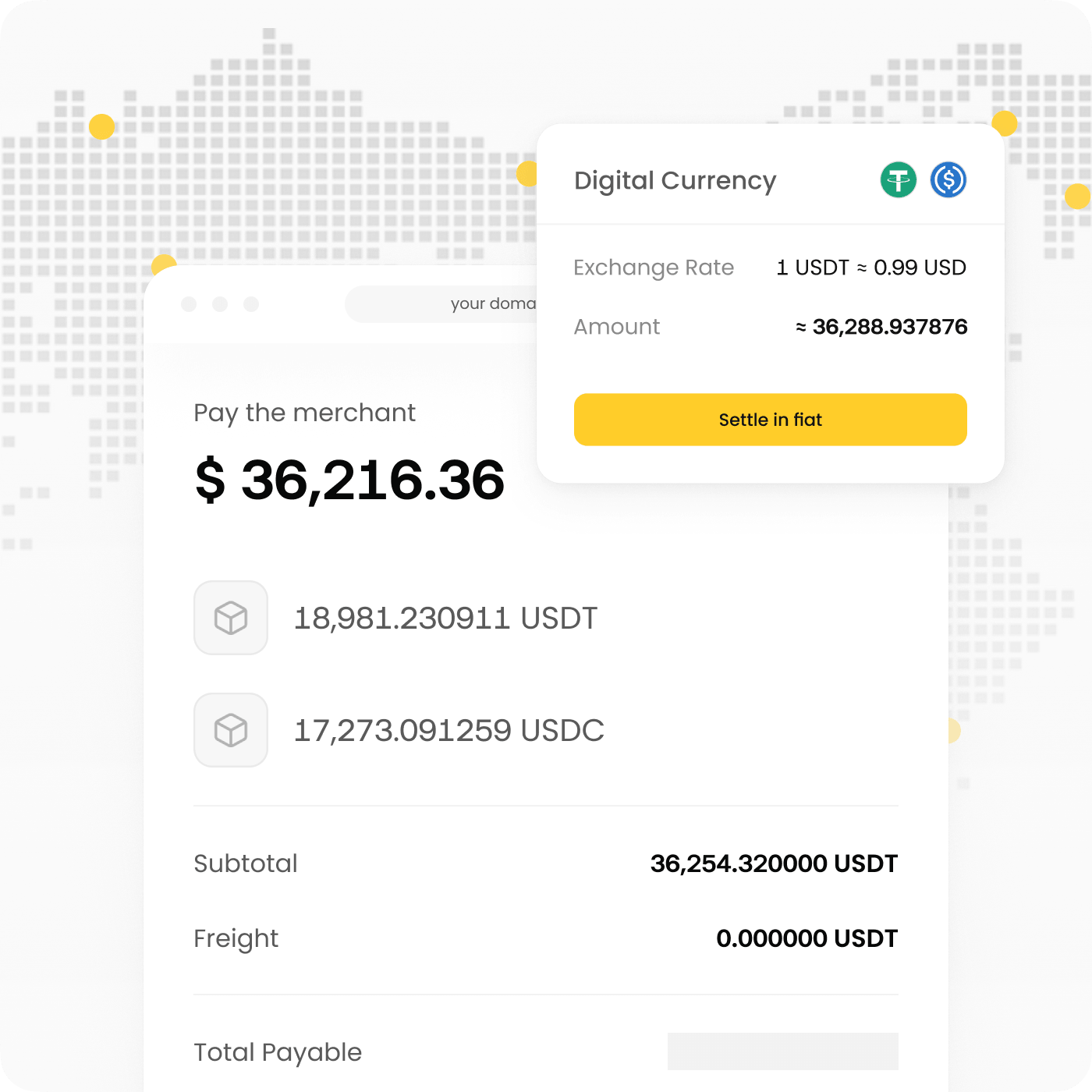
PhotonPay provides a no-code alternative for merchants who lack technical resources. Its "Digital Checkout" feature allows businesses to generate one-click payment links that accept both fiat and stablecoins worldwide. This method bypasses the need for complex website integration, making it ideal for service-based industries or digital goods sellers [src-serp-8].
Technical integration steps for merchants
One-Click Stablecoin Checkout works best as a clear sequence: define the constraint, compare the realistic options, test the tradeoff, and choose the path with the fewest hidden costs. That order keeps the advice usable instead of decorative. After each step, pause long enough to check whether the recommendation still fits the reader's actual situation. If it depends on perfect timing, unusual access, or a best-case budget, include a simpler fallback.
Navigating the regulatory landscape
Implementing one-click stablecoin checkout requires more than technical integration; it demands a rigorous adherence to evolving financial regulations. Unlike traditional fiat rails, crypto payments operate within a fragmented global framework where compliance is the primary barrier to entry for mainstream adoption. Merchants must ensure their payment providers are fully licensed and actively monitoring regulatory shifts to avoid operational shutdowns or frozen funds.
In the United States, the GENIUS Act establishes a federal framework for payment stablecoins, mandating 1:1 reserves and regular audits by independent third parties. This legislation aims to reduce systemic risk by treating stablecoin issuers similarly to money market funds, providing merchants with greater legal certainty regarding the backing of their incoming payments. Failure to partner with issuers compliant with these reserve requirements can expose merchants to counterparty risk and reputational damage.
Meanwhile, the European Union’s Markets in Crypto-Assets (MiCA) regulation provides a comprehensive rulebook for digital assets. MiCA imposes strict requirements on stablecoin issuers regarding capital adequacy, governance, and transparency. For merchants processing one-click stablecoin checkout, this means verifying that their payment gateway operates within MiCA-compliant jurisdictions or partners with issuers who have obtained the necessary authorization. Non-compliance can result in significant fines and the suspension of cross-border payment services.
Risk Management Note: Using regulated providers is not optional. Unlicensed payment processors may lack the necessary AML/KYC infrastructure, exposing your business to regulatory scrutiny and potential liability for facilitating illicit transactions.
To mitigate these risks, merchants should prioritize payment providers that offer built-in compliance tools, such as automated transaction monitoring and real-time regulatory updates. These providers act as a shield, handling the complex regulatory heavy lifting so merchants can focus on the customer experience. By aligning with established financial infrastructure, businesses can safely integrate one-click stablecoin checkout without navigating the legal pitfalls alone.
The Market Shift Toward One-Click Stablecoin Checkout
The stablecoin landscape is moving from experimental pilots to institutional infrastructure. Major payment processors are no longer testing the waters; they are building the rails. Visa’s Stablecoin Platform now allows users to store, access, and issue stablecoins, signaling a shift toward seamless integration with existing payment networks Visa. This infrastructure lowers the barrier for merchants seeking one-click stablecoin checkout solutions, turning blockchain transactions into familiar, frictionless experiences.
Technological advancements are further accelerating this adoption. Circle’s analysis of the next phase of digital commerce highlights that speed, transparency, and programmability are driving enterprise interest Circle. These features enable agentic commerce, where autonomous agents can execute payments without human intervention, a critical evolution for scaling one-click stablecoin checkout across global markets.
The stability of the underlying assets remains the foundation of this growth. The following chart illustrates the consistent peg and trading volume of major stablecoins, demonstrating the reliability merchants need for daily operations.
No comments yet. Be the first to share your thoughts!