
One-click stablecoin checkout limits to account for
One-click stablecoin checkout promises speed, but it introduces specific technical and operational constraints that merchants must navigate. Unlike traditional card networks, stablecoin settlements occur on-chain, which means finality depends on network congestion and block times rather than instantaneous authorization holds.
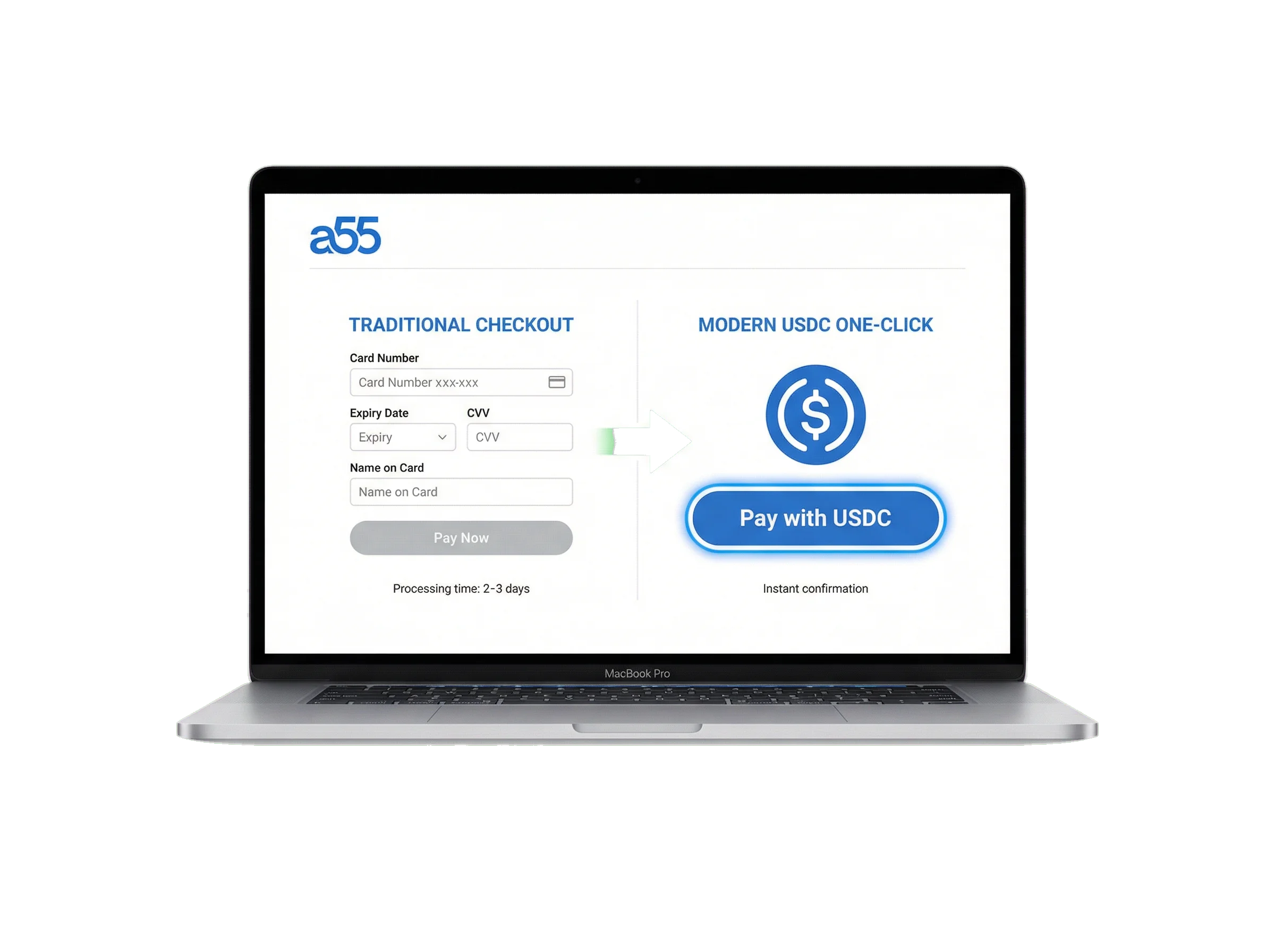
The primary constraint lies in the checkout flow itself. To achieve "one-click" simplicity, the SDK must manage wallet connections, gas estimation, and slippage tolerance behind the scenes. If the SDK fails to handle these complexities, the user experience degrades into a multi-step approval process, defeating the purpose of the integration. Merchants often find that the "seamless" experience is only as good as the underlying provider's ability to abstract away blockchain complexity.
Another significant constraint is the regulatory and treasury handling of regulated stablecoins. As noted by Volt, unifying fiat and regulated stablecoins on a single checkout requires a robust merchant treasury solution. This means merchants cannot simply ignore the compliance aspects; they must ensure the SDK supports the specific stablecoins they wish to accept while maintaining proper accounting records for each transaction type.
Finally, the choice of stablecoin impacts settlement speed and cost. While some networks settle in seconds, others may take minutes during peak hours. Merchants need to evaluate whether their target audience primarily uses Ethereum-based USDC or USDT, or if cross-chain solutions are necessary. This decision directly affects the SDK's compatibility and the overall friction experienced by the customer at the point of sale.
One-click stablecoin checkout choices that change the plan
Selecting a stablecoin checkout SDK requires balancing speed, cost, and regulatory risk. While one-click solutions promise frictionless payments, they introduce specific technical and financial dependencies that vary by provider. Merchants must evaluate how each SDK handles on-chain volatility, settlement finality, and jurisdictional compliance before integration.
The following comparison breaks down the concrete factors to consider when choosing a stablecoin payment processor. This table contrasts key operational metrics across major providers like Stripe, Volt, and BVNk to help you identify the best fit for your business model.
| Provider | Settlement | Fiat Out | Compliance | Best For |
|---|---|---|---|---|
| Stripe | Near real-time | Automatic (USD/EUR) | High (US/EU regulated) | Established merchants |
| Volt | Instant | Unified treasury | High (Regulated) | Unified fiat/crypto |
| BVNk | Smart contract | Customizable | Medium (Developer-led) | Web3-native brands |
| Checkout.com | Near real-time | Automatic | High (Global) | High-volume global |
Settlement Speed and Currency Most providers settle in stablecoins like USDC or USDT, converting to fiat automatically to protect margins. Stripe and Checkout.com offer automatic fiat out, removing treasury management complexity. Volt emphasizes a unified treasury solution, allowing merchants to hold both fiat and regulated stablecoins in a single account. BVNk offers more customizable settlement paths, appealing to developers who want direct control over smart contract interactions.
Compliance and Jurisdiction Regulatory risk is the primary differentiator. Stripe and Checkout.com operate under strict US and EU financial regulations, making them safer for traditional businesses wary of crypto exposure. Volt also maintains a regulated stance, bridging fiat and crypto securely. BVNk, while powerful, places more compliance responsibility on the developer, requiring a deeper understanding of local stablecoin laws.
Integration Complexity One-click SDKs aim to reduce friction, but implementation depth varies. Stripe and Checkout.com integrate seamlessly with existing e-commerce platforms like Shopify or WooCommerce. Volt and BVNk often require more custom development, offering greater flexibility but higher initial engineering costs. Choose a provider that matches your team’s technical capacity.
How to Choose the Right SDK for Your Checkout
Picking a stablecoin checkout SDK isn't about finding the most feature-rich platform. It's about matching your technical stack and compliance needs. A solution that works for a decentralized app may break your existing e-commerce flow. Use this framework to filter your options quickly.
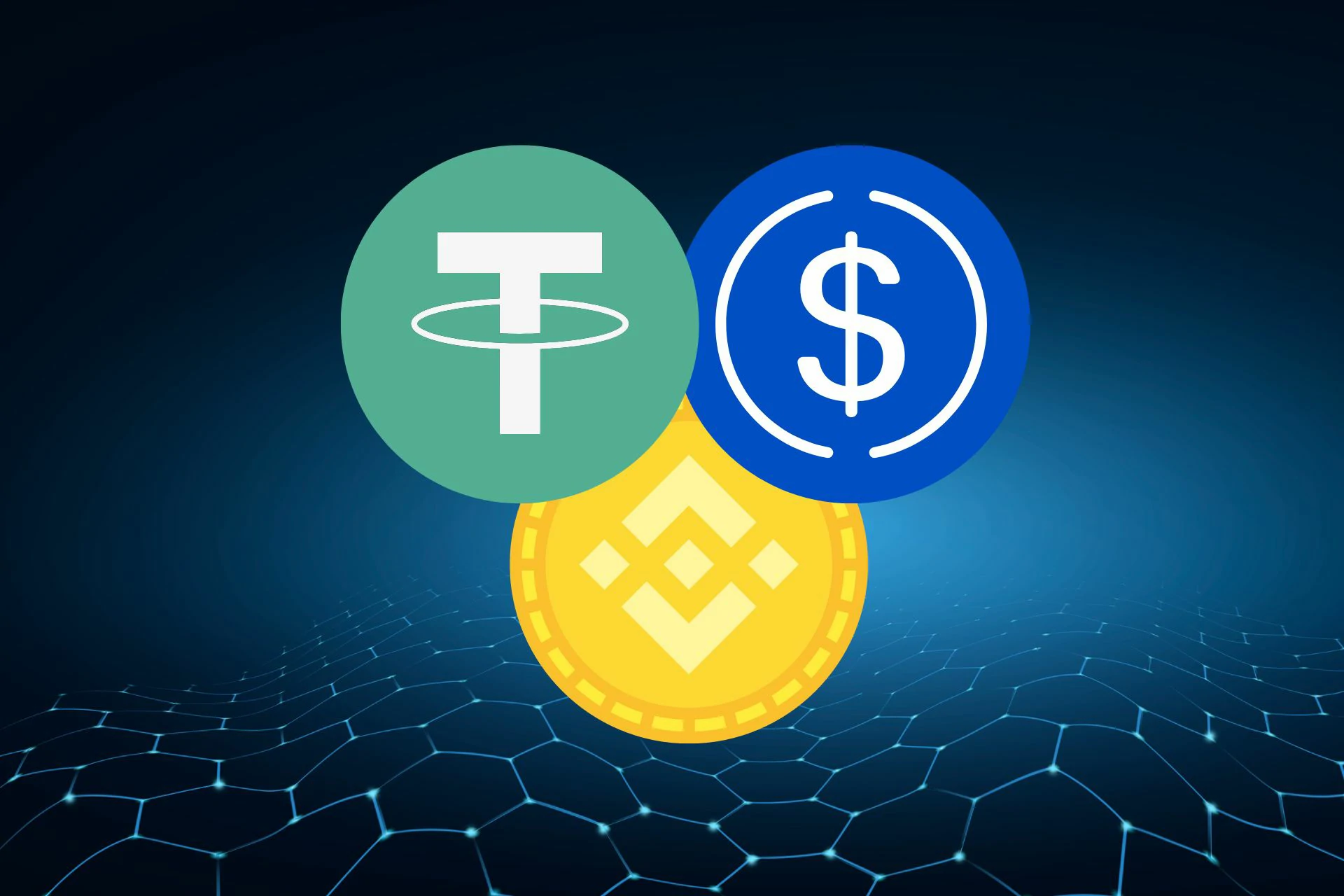
Not all stablecoins are equal. Ensure the SDK supports the specific tokens your customers use, such as USDC, USDT, or DAI, on the right networks. If you operate in Europe, check for support for EUR-pegged assets. If the SDK only supports Ethereum mainnet, gas fees might deter small transactions.
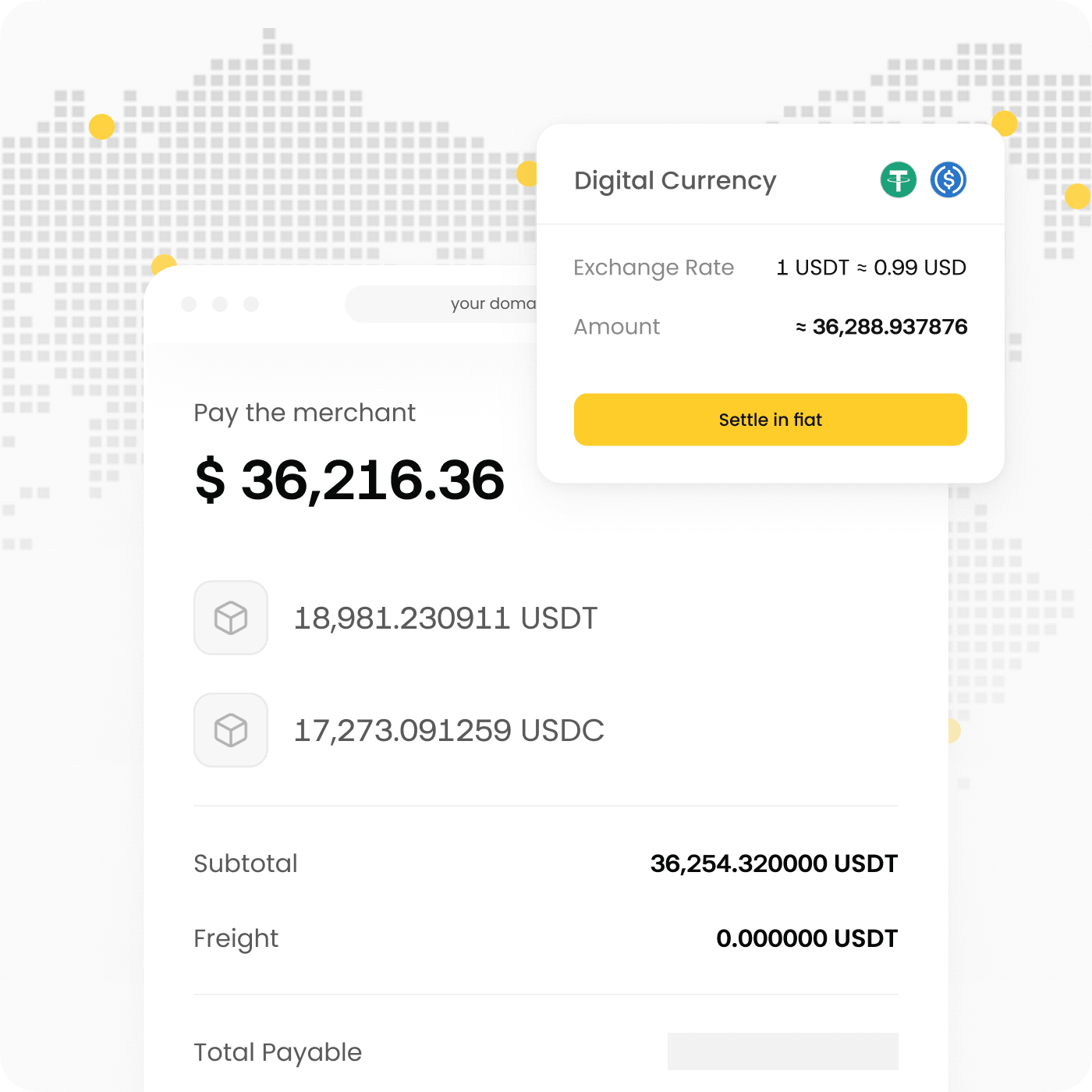
You need a clear path to convert crypto to local currency. Some SDKs handle the conversion automatically, settling your bank account in fiat. Others require you to manage the crypto treasury yourself. For most merchants, an automatic off-ramp reduces risk and simplifies accounting.
Determine who handles the identity checks. Does the SDK provider manage Know Your Customer (KYC) for you, or do you need to integrate a third-party service? If you are selling digital goods, you might need stricter verification. If you are selling physical goods, the requirements may be lighter depending on your jurisdiction.
Look for SDKs that offer pre-built plugins for your platform, like Shopify or WooCommerce. Custom API integrations take more developer time and increase the chance of bugs. A "one-click" solution should mean minimal code changes to your existing checkout page.
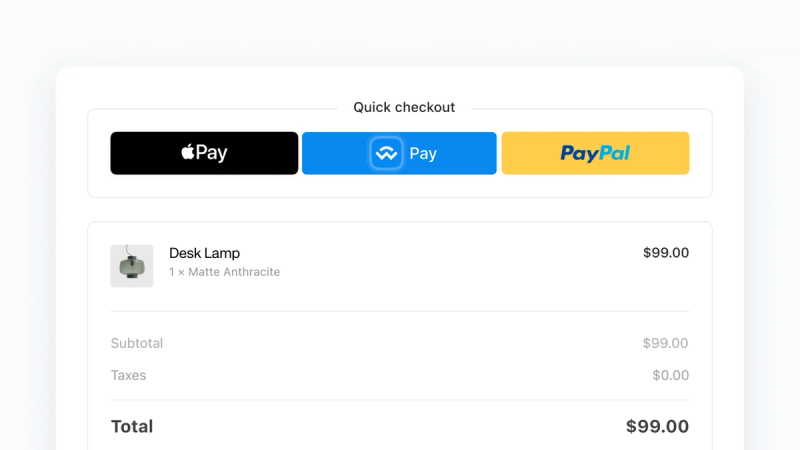
Stablecoin payments often have lower fees than credit cards, but they aren't free. Check for transaction fees, withdrawal fees, and any monthly platform costs. Some providers charge a percentage per transaction, while others offer flat rates. Calculate the break-even point for your average order value.
A good SDK should feel invisible to the customer while providing robust security for your business. Start with the chains and tokens, then verify the payout mechanism. This ensures you aren't just accepting crypto, but actually getting paid in usable currency.
Avoid the Weak Options
The stablecoin checkout space is crowded with vendors promising instant settlement, but not all integrations deliver. Many "one-click" solutions are simply wrappers around complex wallet connect flows that fail on mobile or require excessive user confirmation steps. When evaluating SDKs, look for actual backend processing of stablecoin transfers rather than front-end UI gimmicks.
Beware of providers that do not explicitly support USDC or USDT on major EVM chains like Ethereum, Polygon, or Arbitrum. If a vendor claims broad compatibility without listing specific networks, they likely lack the infrastructure to handle gas optimization or failed transactions. This leads to stuck funds and frustrated customers.
Another common pitfall is the lack of clear treasury management. As noted by Volt, effective stablecoin checkout requires a unified merchant treasury solution to manage the inflow of regulated stablecoins alongside fiat. Without this, you are left manually reconciling on-chain transactions, which defeats the purpose of automation.
Finally, check the exit strategy. A robust SDK should facilitate easy cash-out to your bank account. If the vendor forces you to hold stablecoins indefinitely or charges exorbitant conversion fees, the "seamless" experience is an illusion. Prioritize providers that offer transparent, low-cost off-ramp options as part of their core offering.
One-click stablecoin checkout: what to check next
Before switching to stablecoin payments, merchants and users often have practical concerns about how the technology works and what options exist. Here are answers to the most common questions.
No comments yet. Be the first to share your thoughts!