
One-click stablecoin checkout SDKs: Key limitations and choices
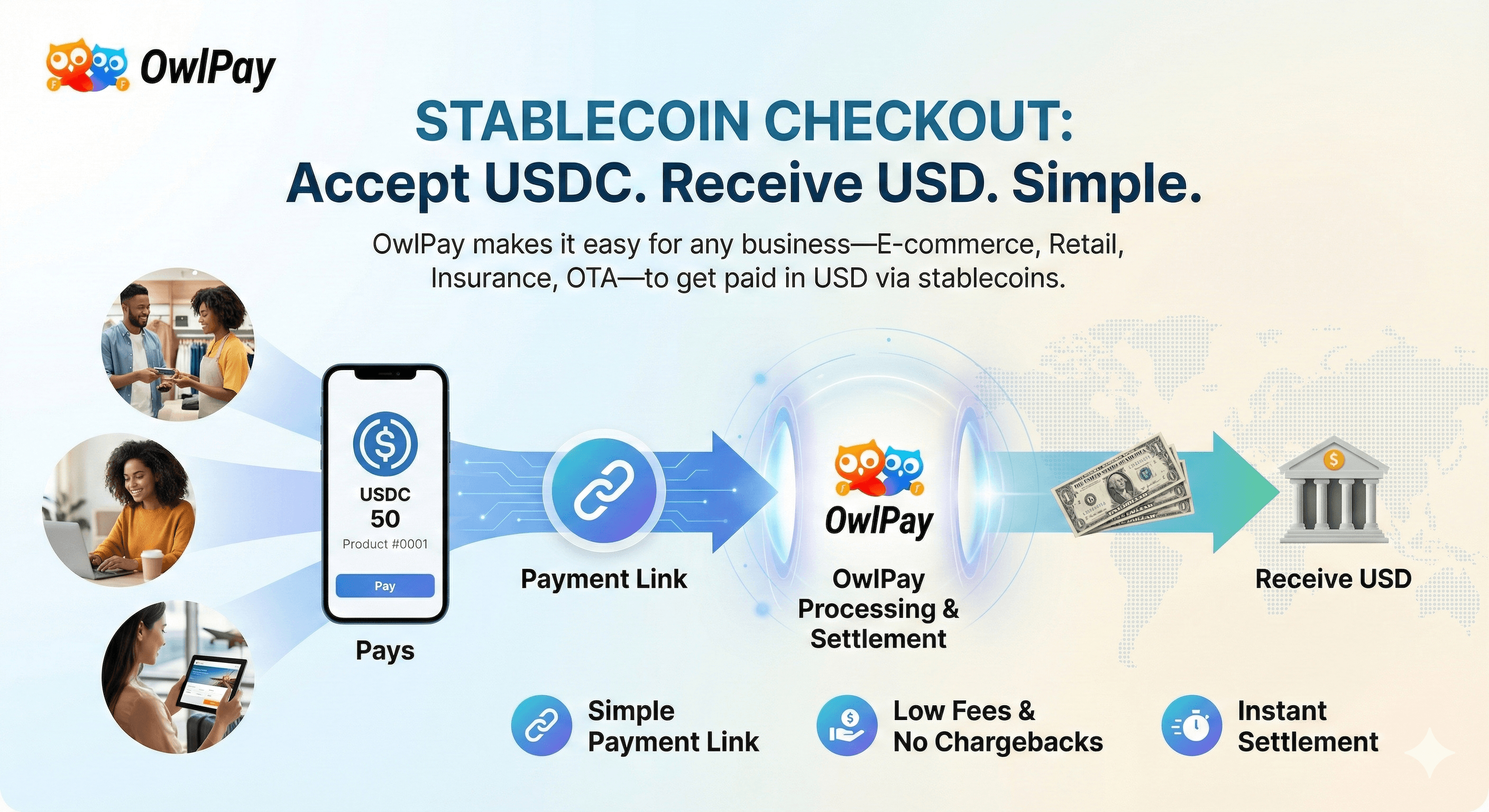
The shift to one-click stablecoin checkout is driven by SDKs that abstract the complexity of blockchain transactions. Instead of managing private keys or gas fees manually, merchants integrate libraries that handle on-chain settlement in the background. This approach mirrors the familiarity of credit card processing, allowing consumers to pay with digital dollars without leaving the e-commerce experience.
Two primary solutions are currently defining this space. Circle’s USDCKit offers a developer-focused SDK designed to simplify USDC payments, automation, and compliance checks. It allows businesses to embed stablecoin acceptance directly into their existing payment infrastructure. Meanwhile, partnerships like the one between Checkout.com and Coinbase enable enterprise merchants to accept stablecoin payments from global consumers, leveraging established banking rails for stability.
These tools solve the friction of crypto adoption by removing the need for users to hold specific wallets or understand transaction hashes. The SDK acts as the bridge, converting the customer’s intent into a settled transaction on the blockchain. For merchants, this means accessing a new global customer base while maintaining the speed and reliability of traditional fiat settlements.
One-click stablecoin checkout SDK choices that change the plan
Use this section to make the decision easier to compare in real life, not just on paper. Start with the reader's actual constraint, then separate must-have requirements from details that are merely nice to have. A practical choice should survive normal use, maintenance, timing, and budget. If a recommendation only works in an ideal situation, call that out plainly and give the reader a fallback path.
| Factor | What to check | Why it matters |
|---|---|---|
| Fit | Match the option to the primary use case. | A good deal still fails if it does not fit the job. |
| Condition | Verify age, wear, and service history. | Hidden condition issues erase upfront savings. |
| Cost | Compare purchase price with likely upkeep. | The cheapest option is not always the lowest-cost option. |
Choose the right stablecoin SDK
Integrating stablecoin payments isn’t a single decision; it’s a stack choice. You need to balance compliance, developer experience, and final cost. The market has settled around two primary approaches: direct issuer SDKs and traditional payment processor partnerships. Each path solves different problems for e-commerce merchants.
Direct SDKs like Circle’s USDCKit offer the most granular control. You handle the API calls directly, which means you can customize the user flow and data storage. This path is ideal if you have a strong engineering team and need to manage compliance logic internally. The trade-off is higher development time and ongoing maintenance responsibility.
Partnerships with established gateways like Checkout.com reduce technical debt. They handle the heavy lifting of merchant of record duties, tax compliance, and fiat settlement. This is the faster route to market for enterprises that prioritize speed over full custody control. You trade some customization for a managed, compliant infrastructure.
Not all stablecoins are created equal regarding transaction costs. You must verify which networks (Ethereum, Polygon, Solana) your chosen SDK supports. High gas fees on Ethereum mainnet can erode margins on small-ticket items. Ensure the SDK allows you to route payments through low-cost L2s or alternative chains to keep checkout friction minimal for the consumer.
The "one-click" promise only works if the wallet connection is seamless. Run a beta test with non-crypto-native users. Watch where they hesitate. Do they understand how to approve the transaction? Is the conversion to fiat clear? If the UX is confusing, you will see high cart abandonment. Optimize for the fewest clicks possible.
| Feature | Direct SDK | Payment Processor |
|---|---|---|
| Compliance | Manual/Custom | Managed |
| Speed to Market | Slow | Fast |
| Cost | Lower transaction fees | Higher merchant fees |
Watch Out for Weak Stablecoin Checkout Options
Not every one-click stablecoin solution delivers the speed or reliability merchants expect. Some SDKs promise simplicity but hide complex compliance hurdles or limited currency support. Before committing, check if the provider actually integrates with your existing stack or if it requires a full rebuild.
Beware of platforms that lack transparent fee structures or slow settlement times. A "one-click" experience means nothing if the transaction fails at the final confirmation step. Look for providers like Checkout.com or Circle’s USDCKit, which offer enterprise-grade reliability and clear documentation.
Also, verify if the SDK supports the specific stablecoins your customers prefer. USDC and USDT are standard, but some solutions ignore others, limiting your global reach. Always test the sandbox environment to catch integration bugs before going live.
One-click stablecoin checkout SDK: practical: what to check next
Choosing a stablecoin integration involves more than just picking a provider. It requires understanding the underlying assets, the economics of holding them, and how they fit into existing payment ecosystems. Here are the most common questions we hear from developers and merchants.
No comments yet. Be the first to share your thoughts!